
Japanese manners
Respect the place without worrying about being perfect.
Clear steps for the moments when a visitor may hesitate: entering a sacred place, praying, taking photos, sharing space and following a local rule.
Religious places
Understand the type of place first, then follow the current local signs and staff.
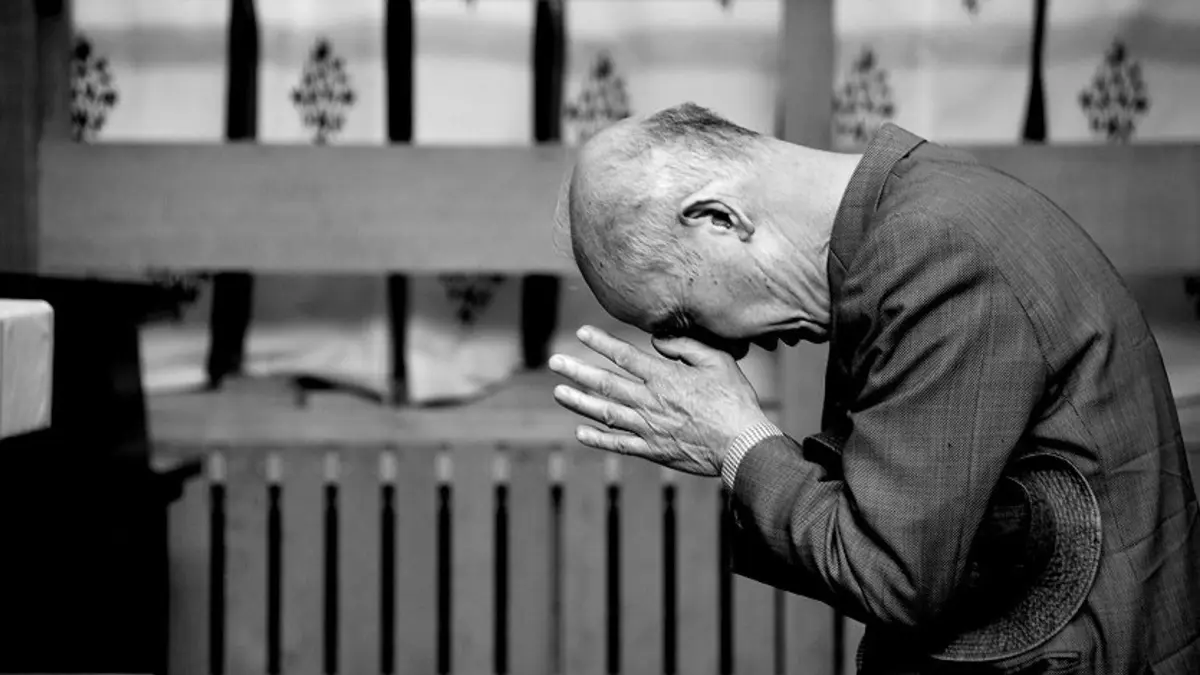
A clear first-time visitor guide to torii gates, purification, offerings, two bows, two claps, photography and shrine-specific exceptions.
A first-time visitor guide to temple gates, purification, incense, silent prayer, shoes, photography and the customs that differ from Shinto shrines.
A practical guide to bowing, walking beside the center, keeping the entrance clear, leaving the shrine and recognizing when local directions override the common form.
A practical guide to the shrine water pavilion: which hand to rinse first, how to rinse the mouth, what not to touch and when to follow a different posted method.
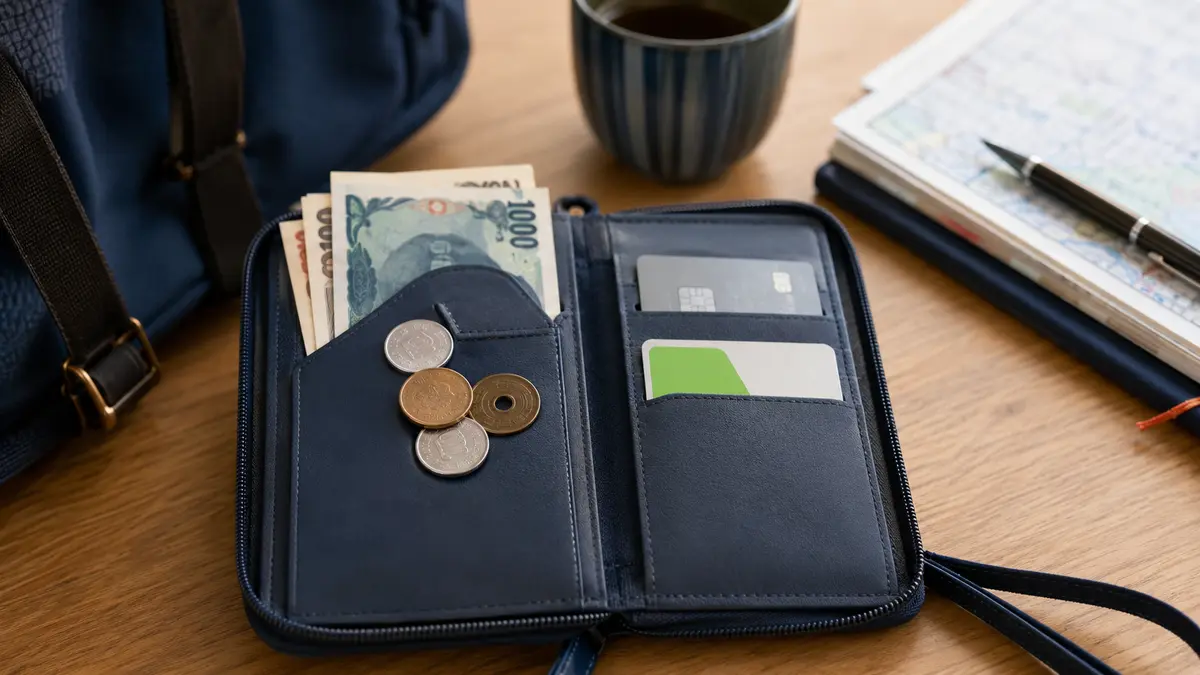
The practical answer on saisen offerings, the ¥5 custom, admission fees, cashless assumptions and how to pray when you have no coin.
How to draw a Japanese fortune slip, understand the result, use English versions and decide whether to keep it or tie it at the shrine or temple.
How to request a goshuin at a Japanese shrine or temple, use a goshuincho, pay the current offering and handle handwritten or separate-sheet versions respectfully.
How to check no-photo and no-flash areas, photograph buildings without disturbing worship, ask people for consent and handle tripods, video and commercial shoots.
Public transport
Share busy trains and stations safely while following the operator’s current signs.

How to queue, board, use your phone, handle bags, offer priority seats and avoid common mistakes on Japanese commuter and long-distance trains.

Why voice calls are avoided in Japanese train cars, where a call may be possible on a Shinkansen and what to do when a call is urgent.
Who Japanese train priority seats are for, whether anyone may sit there, how to offer or request a seat and why need is not always visible.

Why left in Tokyo and right in Osaka are habits rather than the safest rule, and how to use station escalators with luggage, children and mobility needs.
How to find the correct platform line, wait safely, let passengers exit first and board without blocking doors or tactile paving.
When food and drinks are allowed on Japanese bullet trains, what to buy before boarding and how to manage trays, smells, waste and seat reclining.

Where backpacks, carry-ons and large suitcases belong on subways, local trains, limited expresses and Shinkansen services, including oversized-baggage reservations.
How to identify front- or rear-door boarding, use an IC card or numbered ticket, request a stop, pay the fare and ride city and rural buses safely.
Restaurants & dining
Pay, order and share the table without importing rules from another country.
When not to tip at Japanese restaurants, how service and seating charges differ from a gratuity, where to pay, and how to thank the staff.
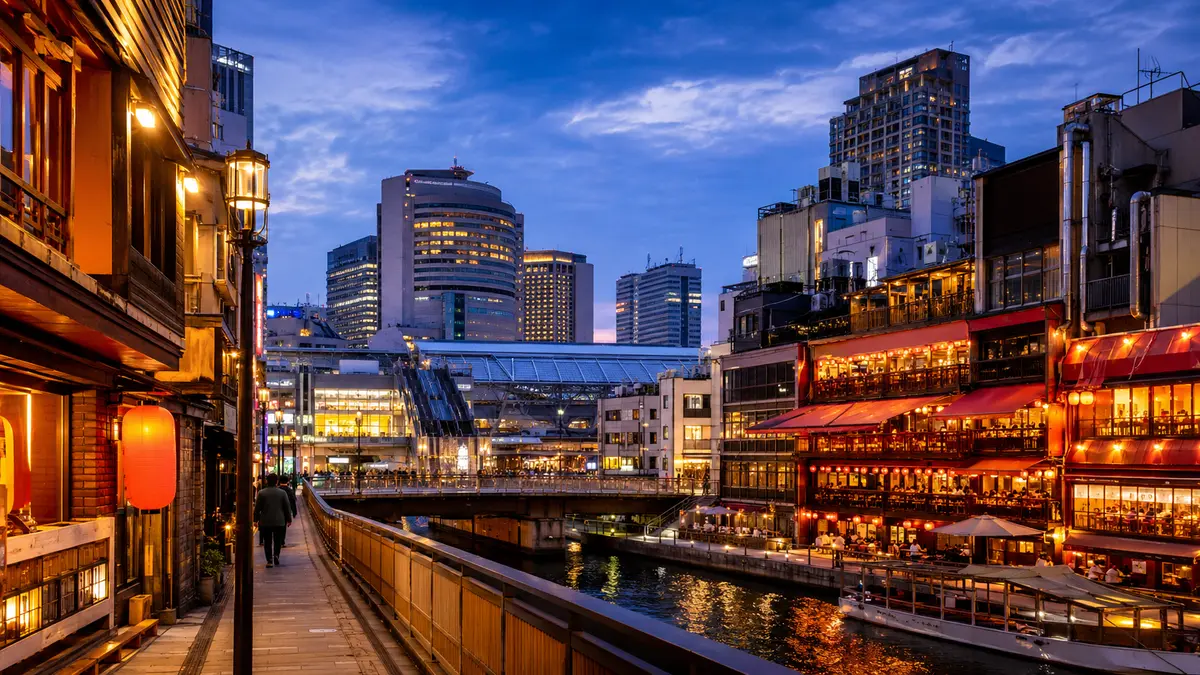
What to say before and after a meal in Japan, what the phrases express, when travelers can use them, and why neither is a literal English translation.
How to hold, rest and share food with chopsticks in Japan, the gestures to avoid, and what to do when chopsticks are difficult to use.
Why slurping ramen, soba and udon is accepted in Japan, why visitors are not required to do it, and how to eat noodles without splashing or forcing the sound.
Why a small appetizer may arrive automatically at an izakaya, how it relates to a seating charge, what to ask before sitting, and how to handle allergies.
When tap water or tea is complimentary in Japanese restaurants, how to request a refill, and when bottled, sparkling or menu-listed water may be charged.
When a Japanese restaurant may allow leftovers to go, why permission is required, which foods may be refused, and how to carry and eat them safely.
How to tell whether a Japanese restaurant expects payment at the table or register, what to do with the bill slip, and how to ask when the process is unclear.
A step-by-step guide to choosing a meal, paying, collecting every ticket and handing the order to staff at a Japanese restaurant.
How to use circulating and direct-order sushi lanes, take plates hygienically, manage empty dishes, check allergens and complete the bill.
Onsen, bathhouses & ryokan
Use shared bathing spaces comfortably while following each facility’s current rules.
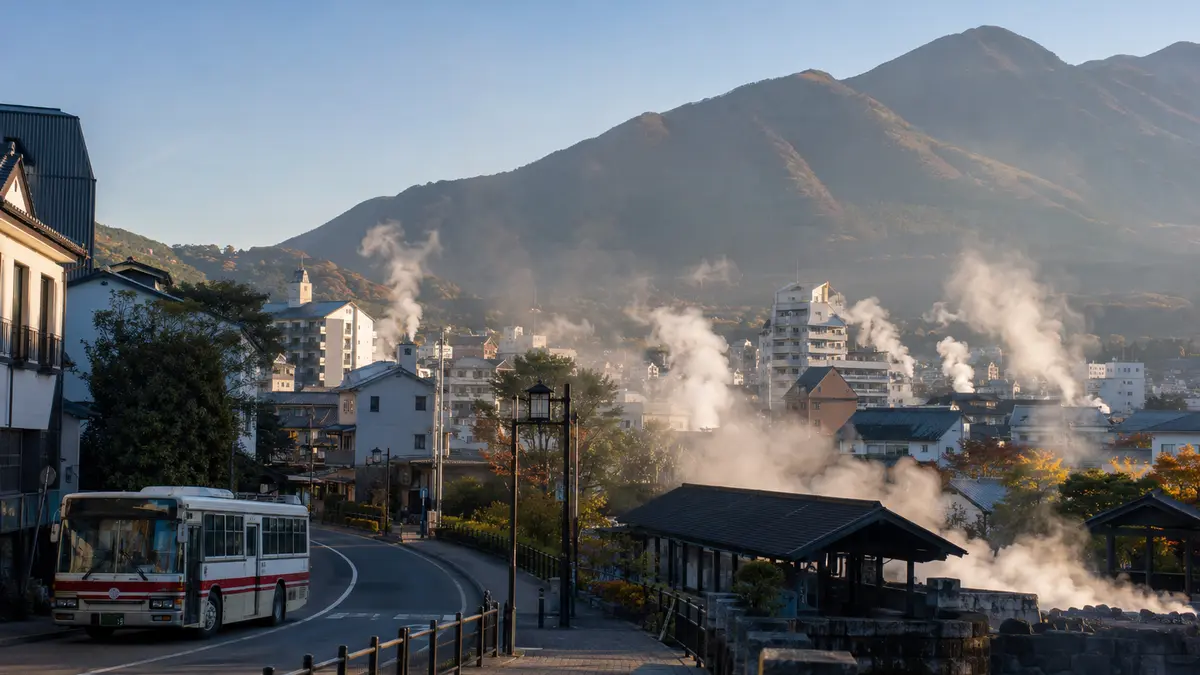
A first-time visitor’s step-by-step guide to entering a Japanese hot spring, washing before the bath, using towels correctly and leaving the shared space clean.
Why traditional shared onsen are normally entered nude, why towels stay out of the water, and when swimsuit zones or approved bathing garments use different rules.
How to check a Japanese onsen’s tattoo policy, understand cover-sheet limits and choose a tattoo-friendly, private or in-room bath without relying on assumptions.
The practical difference between a Japanese sento public bath and onsen hot-spring water, including the important overlap, prices, amenities and signs to check.
How to identify a ryokan’s shoe boundary, step through a genkan, use indoor and toilet slippers, protect tatami and request an accessible route.
How to put on a ryokan yukata in the correct order, secure the sash, stay covered and check where the garment may be worn.
How to enter and use a Japanese tatami room without damaging the mats, including footwear, luggage, seating, alcoves, futons and accessibility.
When ryokan staff prepare and clear futon bedding, when guests do it themselves, and what to do at checkout, during a multi-night stay or when privacy matters.
Streets & public spaces
Handle everyday public-space rules without leaving a mess or blocking the people around you.
Why public bins can be hard to find in Japan, where travelers can look, how to read disposal labels and what must never go in a vending-machine recycling box.
When eating on the move is merely discouraged, when a market or venue prohibits it, and how to stop, eat and dispose of packaging without blocking or spilling on anyone.
How Japan’s national indoor rules, local street-smoking ordinances and facility policies fit together, including smoking-room signs, heated tobacco, vaping and the age-20 boundary.
How to choose an appropriate voice and device volume on Japanese transport, in residential areas, at religious sites, in accommodation and at lively venues without treating quietness as a universal ban.
How to identify the real queue at Japanese shops, restaurants, bus stops, elevators, taxi stands, airports and attractions when floor lines, name lists, numbered tickets, reservations or apps control the order.
A step-by-step guide to Western and squat toilets in Japan, including flush controls, washlet buttons, toilet paper, emergency calls, slippers and accessible facilities.
What to flush or bin in a Japanese public toilet, with clear rules for toilet paper, sanitary products, wipes, diapers, sharps and special facilities.
How to carry, close, bag, store and recover an umbrella in Japan, with wet-floor, public-transport, bicycle and strong-wind safety rules.
How to identify a permitted convenience-store eating area in Japan, declare eat-in use, keep access clear and handle rubbish, alcohol, smoking and parking rules.
What counts as littering in Japan, how national law and local penalties differ, and what to do when there is no bin or something is dropped accidentally.
Photos, video & social media
Separate permission to take an image from permission to publish it, and keep people, property and shared routes respected.
When to ask before photographing people in Japan, how incidental passersby differ from a portrait, and what to check before posting an identifiable image online.
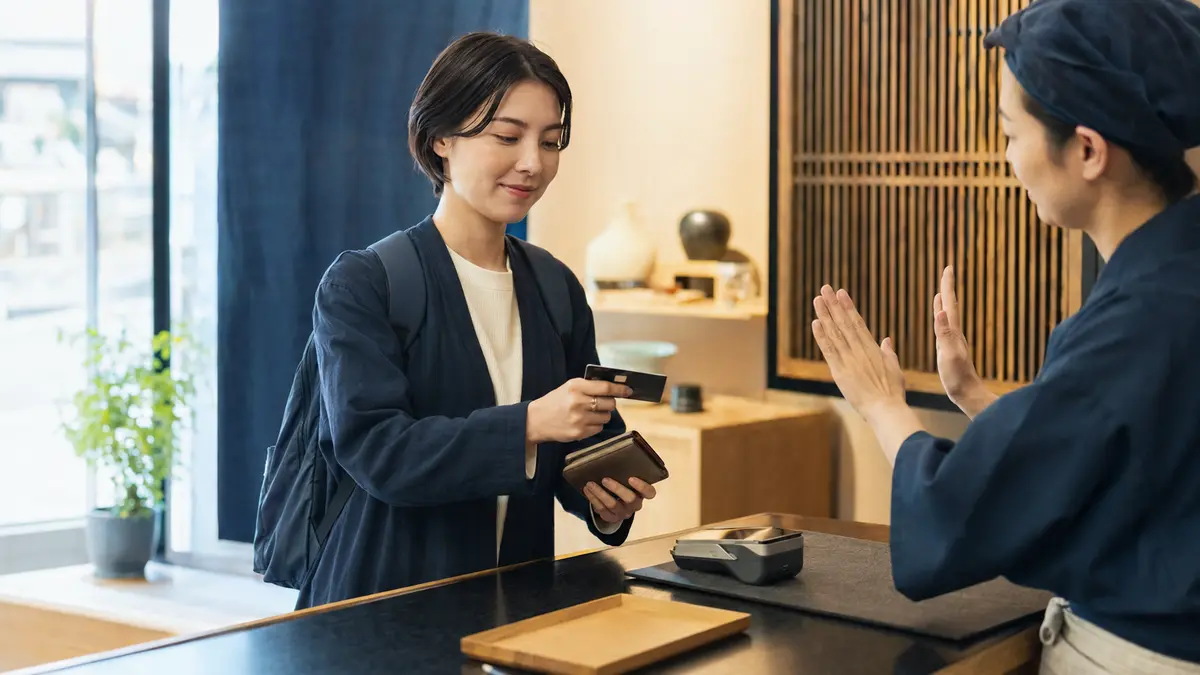
How to check a Japanese shop’s photo policy, ask for the exact shot, and separate still images from video, posting, livestreaming and commercial use.
How to take a quick food photo in Japan without capturing diners, delaying service or assuming that stills, video, posting and commercial use share one rule.
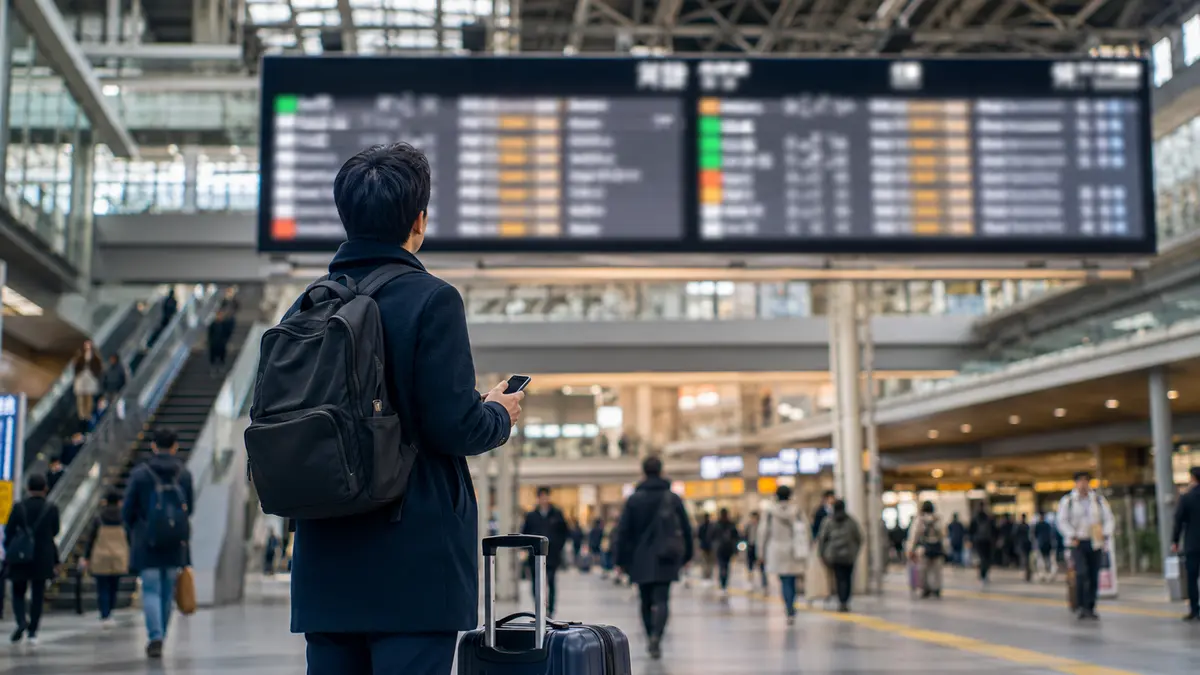
How to record a train or station in Japan without filming passengers, blocking the platform, using unsafe equipment or treating personal video as commercial permission.
How to respect geiko, maiko and Gion residents without stopping, following, touching or photographing people and private places without permission.
A current decision guide to Japan’s 100 g threshold, DIPS registration, Remote ID, flight permission, important-facility zones, launch-site rules and safe tourist drone use.
A practical guide to private-property signs, private roads, barriers, visitor routes and places that can be closed even when they look public.
Shopping & payment
Keep sale stock intact, use stated prices and authorized discounts, and resolve questions directly with staff.
When to keep a product sealed, how testers and fitting rooms work, what to do after an accidental opening and the dated rules for tax-free packaging.
Where Japan’s displayed prices are normally final, when one polite price question can fit, and how to use coupons, price matching and tax-free shopping instead.
How to pay with cash, a card or contactless at Japanese counters, including payment trays, customer-operated terminals, PINs, receipts and failed transactions.
Current tax-free shopping rules and the November 1, 2026 refund-method change, including eligibility, minimum spend, sealed consumables, Customs and refunds.
How to find and use a Japanese convenience-store eat-in area, declare dine-in before payment, understand the 8% and 10% tax difference, and follow each store’s seating, food and waste rules.
When a Japanese shop may accept a return or exchange, how defective goods differ from a change of mind, and the separate rules for online and tax-free purchases.
How to request, decline or add a shopping bag at a Japanese checkout, what the national plastic-bag rule covers and how reusable-bag packing varies by store.
Seasonal events & sightseeing
Enjoy popular seasonal places while protecting the site, its neighbors and the route shared by everyone.
How to share a hanami space, handle picnic sheets and trash, protect cherry trees, and follow each park’s rules for food, alcohol, fire, photos and night viewing.
How to watch or join a Japanese festival safely, use a fireworks viewing area, handle food and waste, and plan for crowds, heat, weather and the trip home.
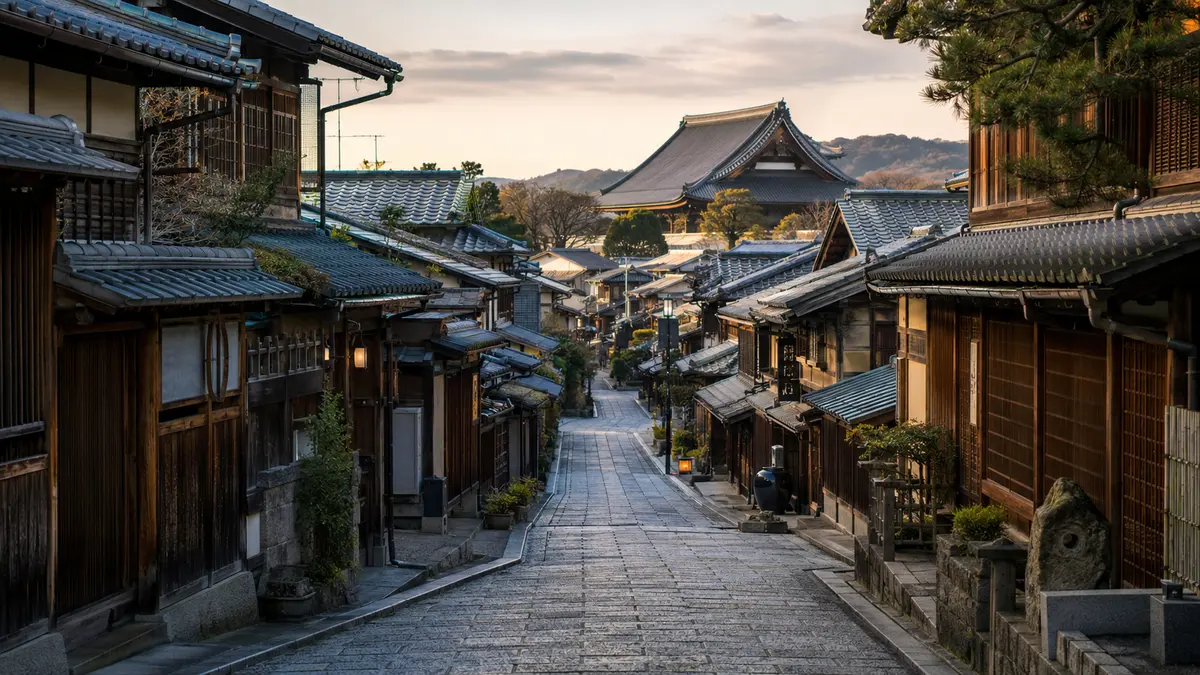
How to explore Kyoto’s residential streets without entering private lanes, blocking daily life, photographing residents or misusing neighborhood transport, bins and facilities.
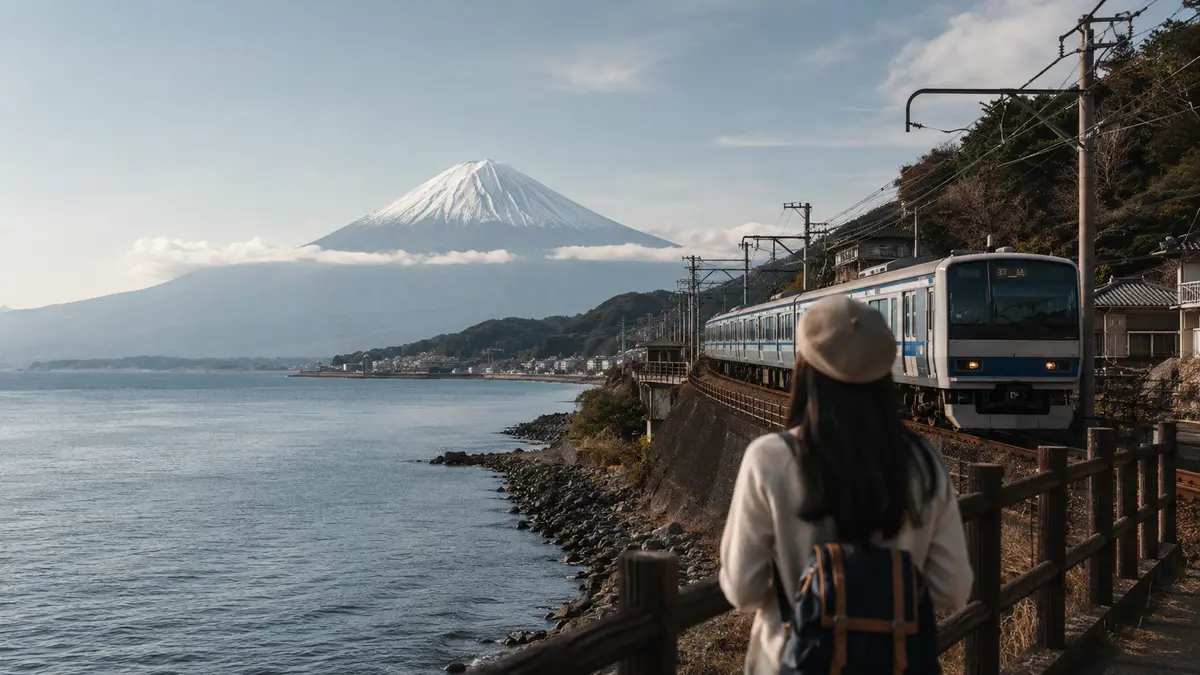
Current 2026 Mount Fuji climbing rules for the Yoshida, Subashiri, Gotemba and Fujinomiya trails, with entry procedures, hut planning, safety, trail manners and environmental protection.
How to observe, photograph and feed Nara Park’s wild deer safely, with current guidance for deer crackers, children, seasonal behavior, waste, roads, injuries and rescue contacts.
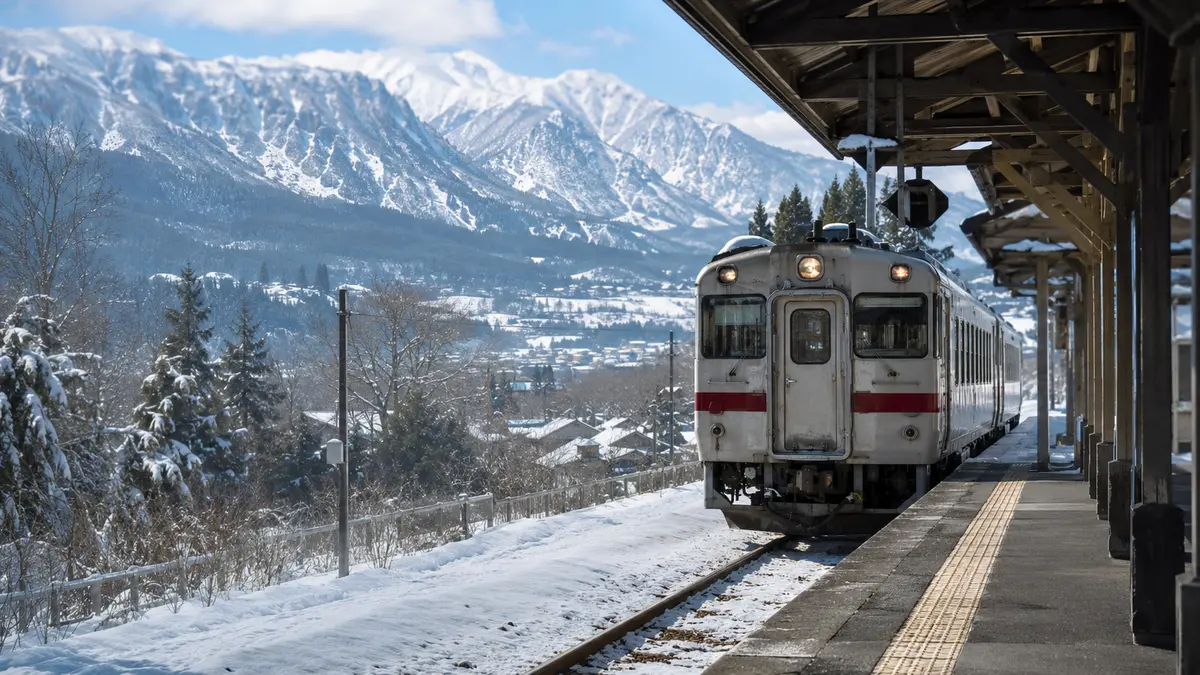
How to ski or snowboard safely and respectfully in Japan, with slope priority, lifts, children, terrain parks, powder, boundaries, backcountry, rescue and snow-road rules.
Why a light touch can harm cherry trees, museum objects, temples, castles and historic sites in Japan, with clear exceptions, legal scope and accident-reporting steps.