Do this now
Follow these steps in order.
- 01
Confirm that you are at a Buddhist temple, not a Shinto shrine, and read the entrance signs before copying another visitor.
- 02
Enter calmly, keep the gate and paths clear, and use only areas open to ordinary visitors.
- 03
If a purification font is open, rinse your hands and mouth without touching the ladle to your lips.
- 04
Use incense only where the temple provides it; light it safely, wave out the flame and place it in the designated burner.
- 05
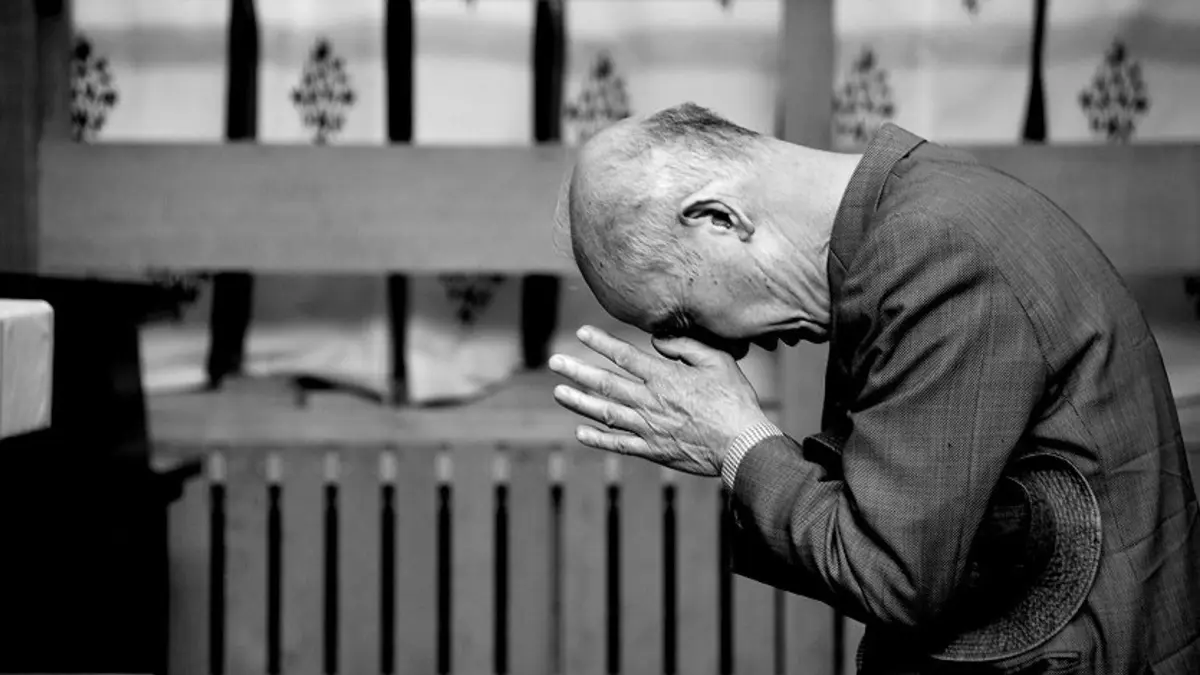
At the main hall, make an offering only if you wish, join your hands, pray silently and do not clap unless the temple or ceremony specifically instructs you to.
- 06
Remove your shoes and put away your camera wherever signs or staff require it.
What to know
First, tell a temple from a shrine
A Buddhist temple is often entered through a sanmon gate and may have a main hall, Buddhist images, incense burners, pagodas or a cemetery. A Shinto shrine is normally identified by a torii gate. Names can also help: many temple names end in -ji or -dera, while many shrine names include jinja, jingu or taisha.
The visual clues are useful, but mixed religious history and large precincts can make a place less obvious than a short checklist suggests. Use the site’s official name and signs when they are available.
What to know
A temple gate is not a torii
Do not import every shrine custom into a temple visit. A formal bow at the temple gate is not a universal visitor requirement published for every temple. Enter without blocking the gate, keep voices low and allow worshippers and ceremonies to pass.
Do not step across ropes, barriers or closed doors to improve a photograph. Kyoto’s official visitor guidance treats temples and shrines as sacred sites and tells visitors to obey restrictions on access, photography, food and other conduct.
What to know
Use the purification font only when it is available
JNTO explains that a temple may have a temizuya or chozuya similar to one at a shrine. When it is open, use one scoop of water to rinse the left hand, then the right, pour water into the left palm to rinse the mouth, and dispose of that water beside the basin.
Never touch the ladle directly to your mouth or drink from the basin. If the font is closed, empty, automated or accompanied by different instructions, follow the signs or skip the step.
What to know
Incense is optional and place-specific
Many temples provide incense, but not every temple does and not every burner is open to visitors. If incense is offered, use the temple’s payment and lighting method, keep the flame away from clothing, then extinguish the flame by gently waving your hand instead of blowing on it.
Place the incense in the designated burner without moving another person’s sticks. Some visitors fan the smoke toward themselves, but JNTO presents this as a belief-based custom, not a required step for admission or prayer.
What to know
Join your hands and pray without clapping
At the main hall, wait without blocking the front. An offering may be made where an offering box is provided, but a visitor does not need to perform a paid ritual. Bring your palms together and pray quietly.
For an ordinary temple visit, JNTO states that there is no need to clap. Kiyomizu-dera’s own English guidance tells visitors simply to put their hands together before Kannon and offer a prayer of thanksgiving.
A temple stay, service or sect-specific ceremony may include recitation, prayer beads, gongs or even clapping. When a monk, guide or posted instruction gives a form for that event, follow it instead of applying the general sightseeing sequence.
- Ordinary temple visit: palms together and silent prayer
- Clapping: normally omitted at Buddhist temples
- Ceremony or temple stay: follow the form taught for that specific event
What to know
Shoes, photos and video depend on the exact area
Temple grounds may be open in outdoor shoes while an interior hall requires shoes to be removed. Use the shelves or bags provided and do not place shoes on clean interior flooring.
Photography permission can change between the garden, exterior, main hall and a room containing a sacred image. Kyoto’s official guide warns that some temple and shrine areas prohibit photography or flash. Tōdai-ji also prohibits drones throughout its precincts. Check the exact sign in front of the exact area before raising a camera.
Do not photograph a worshipper, monk or ceremony as if public entry were blanket consent. Keep tripods, livestreams and commercial filming out unless the responsible temple has explicitly permitted them.
What to know
Respectful observation is enough
Visitors do not need to be Buddhist to enter public visitor areas. You may observe quietly without making a personal prayer, buying incense or copying a ritual you do not understand.
The practical standard is simple: protect the worship taking place, the cultural property and the route used by other visitors. A calm visit that follows the temple’s current instructions is more respectful than performing a memorized sequence incorrectly.
If that does not work
Use the fallback.
- If you cannot identify the main hall, use the official precinct map or ask staff instead of entering a closed building.
- If incense instructions are unclear, skip the incense and pray quietly with your hands together.
- If the shoe boundary is unclear, stop before the raised or clean-floor area and ask.
- If photography rules are unclear, keep the camera down inside buildings and near active worship.
- If a ceremony is in progress, remain outside its working space unless staff invite visitors to join.
Before you need it
Save this offline.
- The temple’s official visitor page and precinct map
- A screenshot of current opening, admission and photography rules
- Temple name in Japanese for staff questions
- Palms together, silent prayer, no clapping—the common visitor form
- Any reservation or written permission for a ceremony, tour or commercial shoot
Primary evidence
Official sources used
Open these pages again before travel. External links lead to the responsible Japanese authority or transport organization.