Do this now
Follow these steps in order.
- 01
Confirm that you are visiting a Shinto shrine, usually marked by a torii gate, rather than a Buddhist temple.
- 02
Pause at the torii, bow lightly if you wish, and enter to one side of the exact center.
- 03
Use the purification font only when it is open and follow the posted method without touching the ladle to your mouth.
- 04
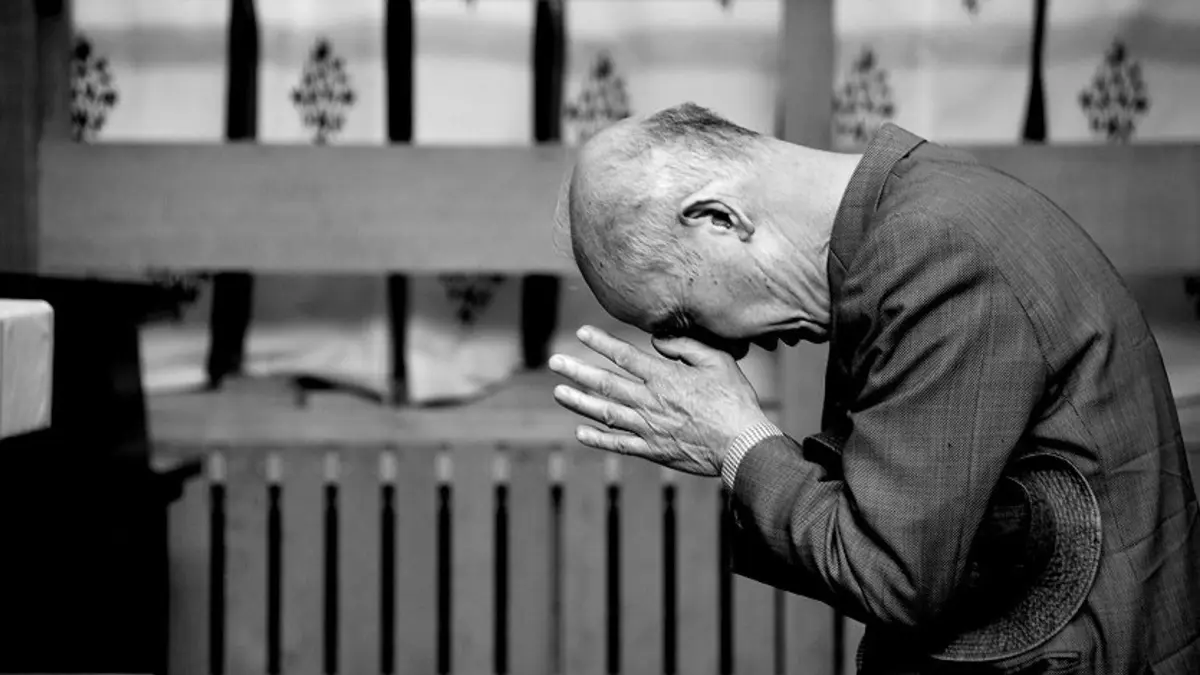
At the worship hall, offer a coin if you wish, ring the bell if one is provided, bow twice, clap twice, pray quietly and bow once.
- 05
Before taking a photo, check signs and make sure you are not blocking worshippers or photographing a restricted area.
What to know
First, identify a shrine—not a temple
A Shinto shrine is called a jinja and is normally marked by a torii gate. A Buddhist temple uses a different religious tradition and usually has a sanmon gate. The distinction matters because the prayer customs are not the same.
At a shrine, the common form includes clapping. At a Buddhist temple, join your hands and pray quietly; JNTO’s official guide says there is no need to clap. When a site contains both shrine and temple buildings, follow the signs at the place where you are standing.
What to know
Enter through the torii with a brief pause
The torii marks the boundary between the everyday world and the shrine’s sacred precinct. Jinja Honcho says many people pause and bow their head slightly before passing through, while JNTO describes one bow as the correct, though not universally practised, way to enter.
Walk a little to the left or right instead of through the exact center. Keep the entrance clear and do not stop under the gate for a long photo session when other visitors are entering.
What to know
Purify your hands and mouth at the temizuya
If the water pavilion is open, hold the ladle in your right hand and rinse your left hand. Transfer it to your left hand and rinse your right. Return it to your right hand, pour water into your left palm, and use that water to rinse your mouth.
Never place the ladle directly against your mouth. Spit the water beside the font rather than back into the basin, rinse your left hand once more, then return the ladle. If the font is closed, empty or has different posted instructions, do not improvise—continue to the worship area without using it.
What to know
Use two bows, two claps and one bow
Stand in front of the worship hall without blocking people who are praying. Put a coin in the offering box if you wish; Jinja Honcho states that there is no required amount. Ring the bell if a bell rope is available.
Bow deeply twice. Stand straight, bring your hands together, clap twice, and offer a quiet prayer if you wish. Finish with one deep bow. A sincere, calm visit matters more than performing every movement perfectly.
- Coin offering: optional, with no fixed amount
- Bell: ring it only when one is provided and available
- Prayer: two deep bows, two claps, a quiet prayer, then one deep bow
What to know
Check for shrine-specific exceptions
The two-bow, two-clap, one-bow sequence is the common form, not a rule that overrides the shrine in front of you. Read posted instructions and follow shrine staff.
Izumo Oyashiro publishes a different sequence: two bows, four claps and one bow. This is why copying the person ahead of you or relying on a short social-media video can be less reliable than checking the shrine’s own guidance.
What to know
Photography is permission-based, not automatic
Jinja Honcho says photography of buildings and the environment is usually permitted, but it may be prohibited in particular places. Follow signs and staff instructions, and do not photograph identifiable people without permission.
Meiji Jingu, for example, prohibits photos and video at the main sanctuary where people pray, promotional filming without permission, drones and disruptive behavior. A camera ticket, paid tour or creator status does not cancel a shrine’s rules.
What to know
Dress and behave for a place of worship
Jinja Honcho states that there is no strict visitor dress code, but recommends modest clothing because local worshippers come to pray. Keep voices and phone audio low, use designated places for food and drink, and do not enter buildings, fenced areas or roped areas without an invitation.
Non-Shinto visitors and people of other faiths may enter. You do not have to make a personal prayer, buy an amulet or copy every action. Respect the space, the worshippers and the shrine’s current instructions.
If that does not work
Use the fallback.
- If you cannot find the worship area, look for the offering box or ask shrine staff rather than entering a building.
- If the purification font is unavailable, skip it and continue respectfully.
- If local instructions differ from this guide, follow the shrine’s instructions.
- If photography rules are unclear, keep the camera down near the worship hall and ask before filming.
Before you need it
Save this offline.
- The shrine’s official visitor or etiquette page
- A screenshot of any photography restrictions
- Two bows, two claps, one bow—the common sequence
- The shrine’s name in Japanese for staff questions
- Any reservation or permission for a ceremony or commercial shoot
Primary evidence
Official sources used
Open these pages again before travel. External links lead to the responsible Japanese authority or transport organization.