
Earthquake safety for travelers
Protect yourself first. Translate and re-plan second.
Japan experiences frequent earthquakes, but most do not become major travel emergencies. These guides separate the actions that matter during shaking, near the coast, after transport stops and when normal communications fail.
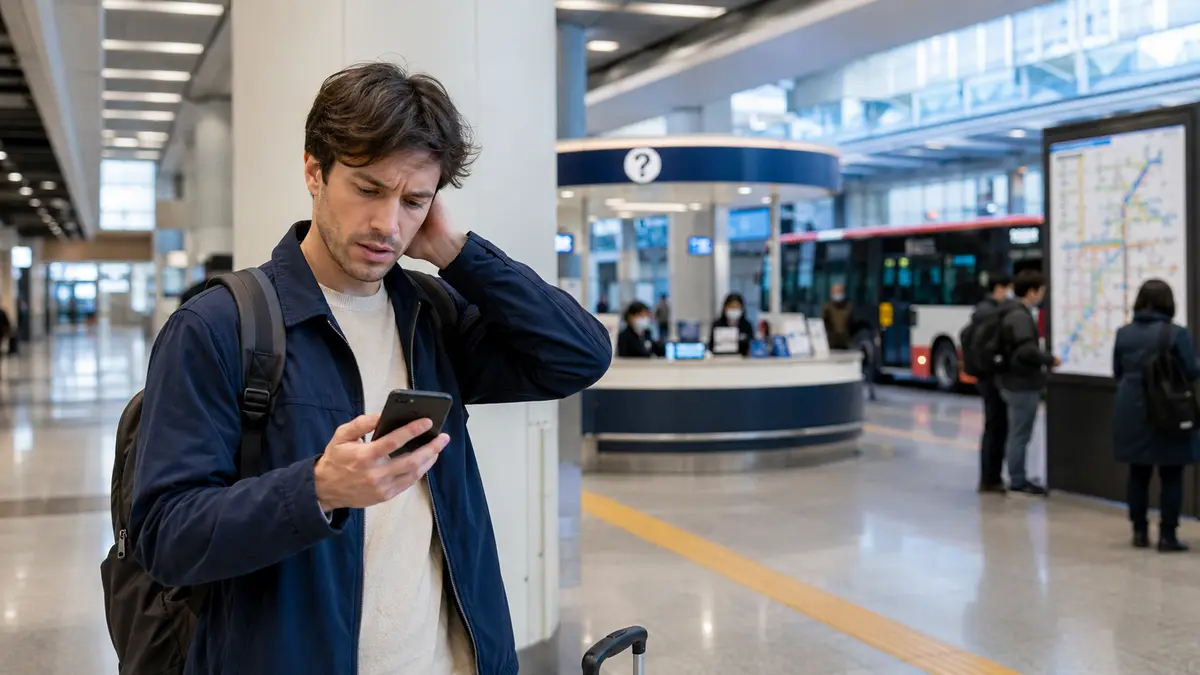
Act now
Use these first when the ground is moving or a tsunami is possible.
The immediate actions to take during strong shaking, after it stops and when you are near the coast.
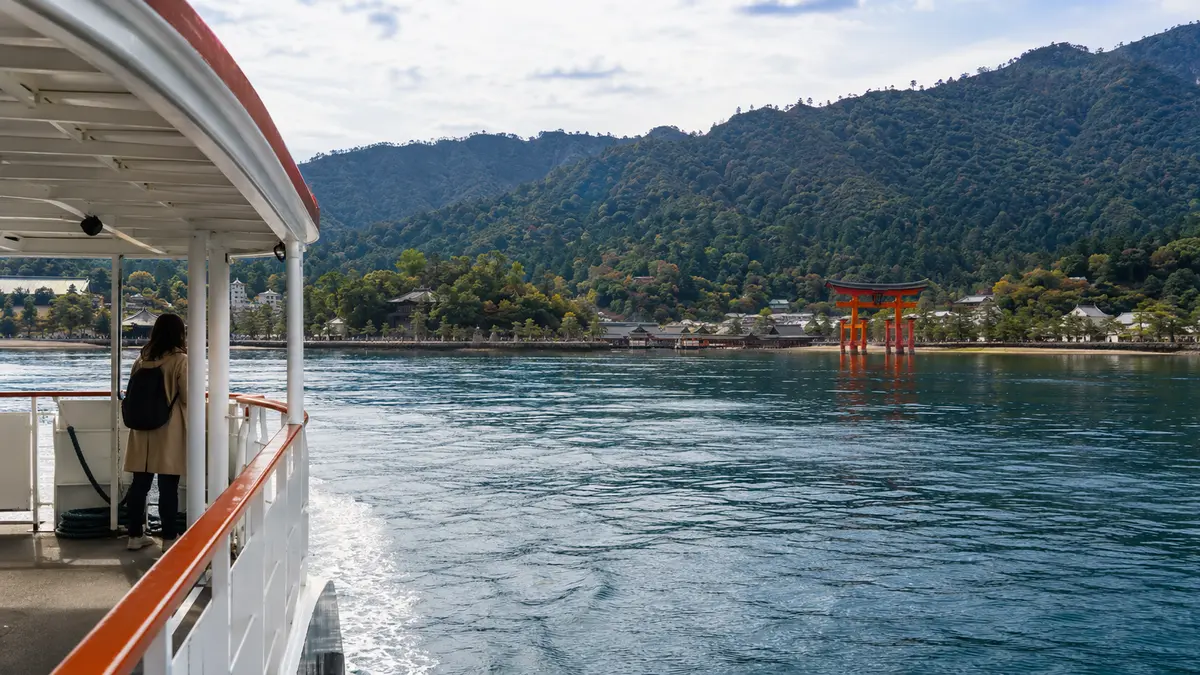
When to leave the coast, where to go and why you must not return after the first wave.
Understand alerts and prepare
Learn what Japan's warnings mean and set up a practical plan before travel.
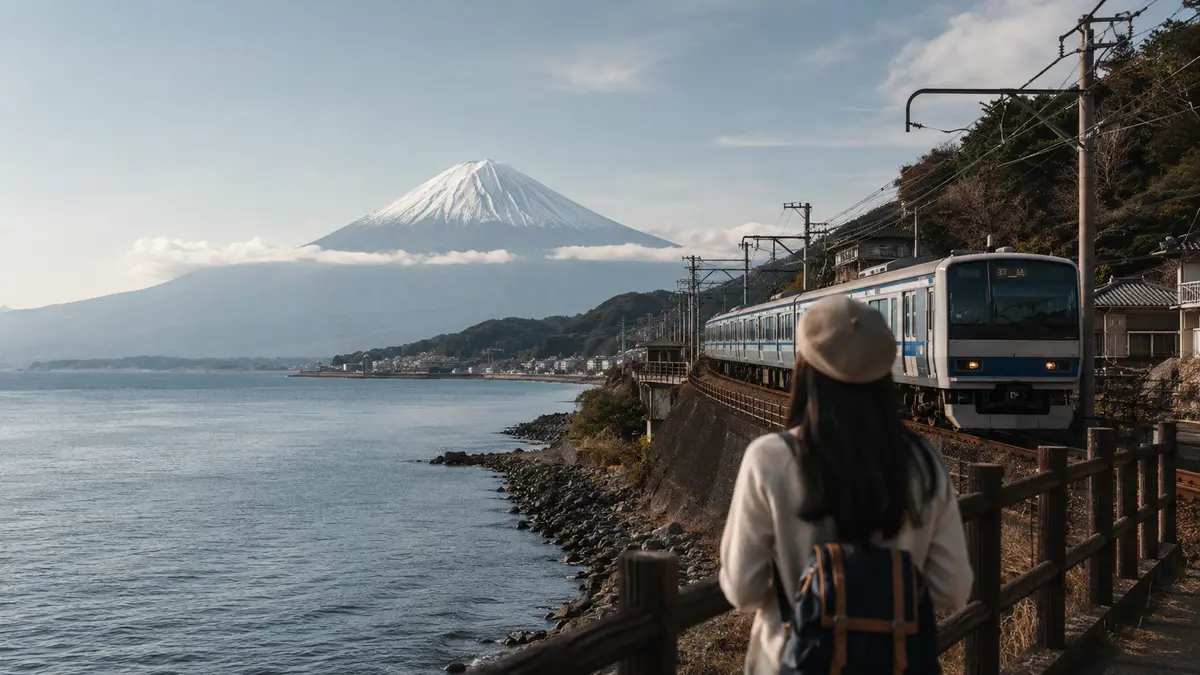
Why Japan experiences frequent earthquakes, what travelers usually feel and how magnitude differs from local intensity.

What an Earthquake Early Warning can and cannot do, and how foreign travelers can receive multilingual disaster information.
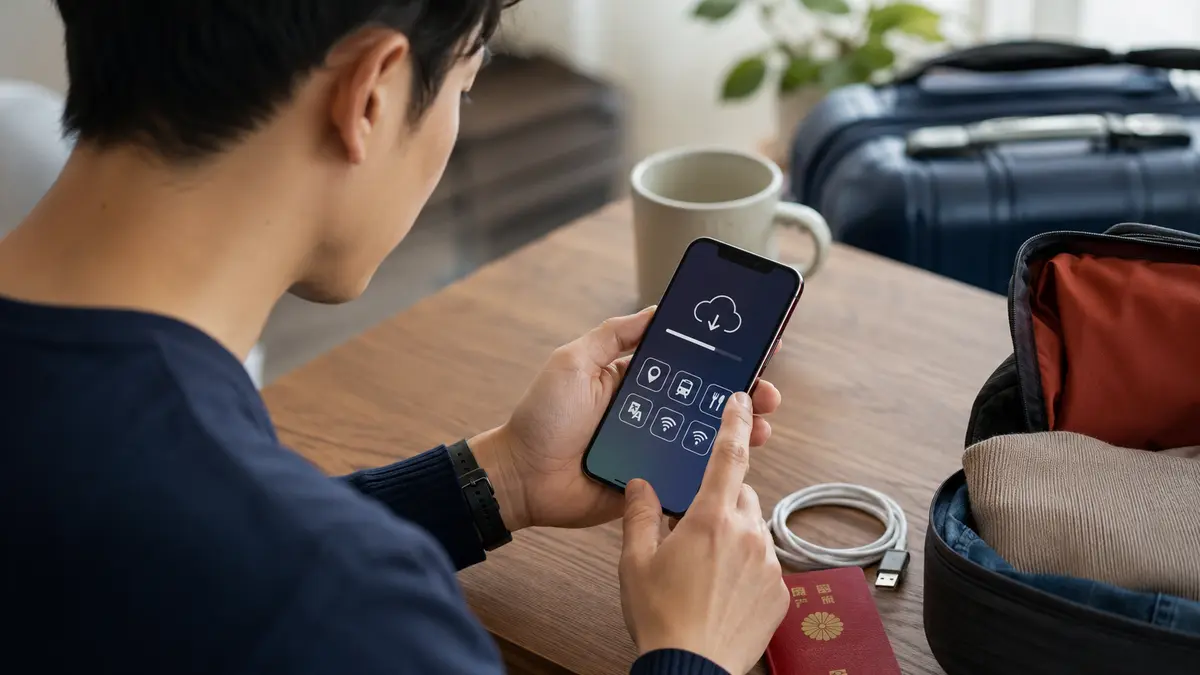
A compact traveler checklist for alerts, accommodation, medication, power, meeting points and offline information.
Connect, evacuate and contact people
Find emergency internet, the correct safe place and a low-bandwidth way to report that you are safe.
How Japan's emergency Wi-Fi works, when it appears, how to connect and what not to send over an open network.
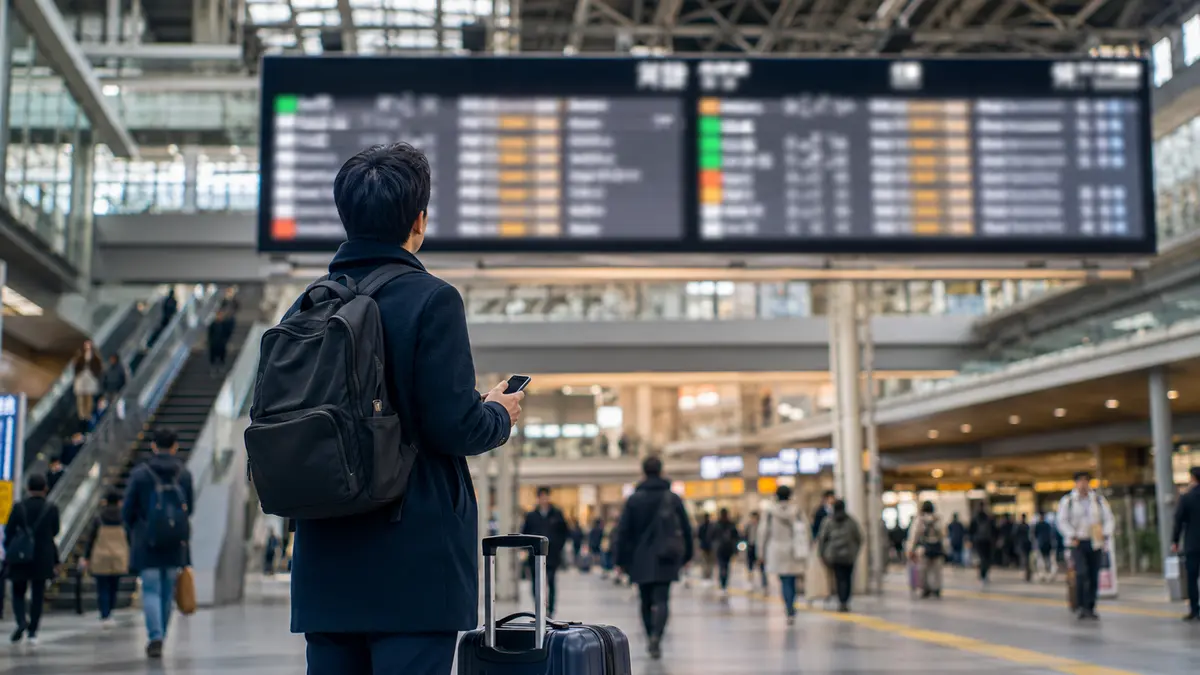
How travelers should distinguish immediate safety, evacuation sites and shelters without assuming every public building is open.
A low-bandwidth communication plan using short messages, Disaster Emergency Message Dial 171 and official visitor support.
Manage the disrupted trip
Understand transport inspections and the different hazards revealed by major earthquakes in Japan.
Why services stop for inspection, what to do onboard and how to decide whether to wait, reroute or stay where you are.
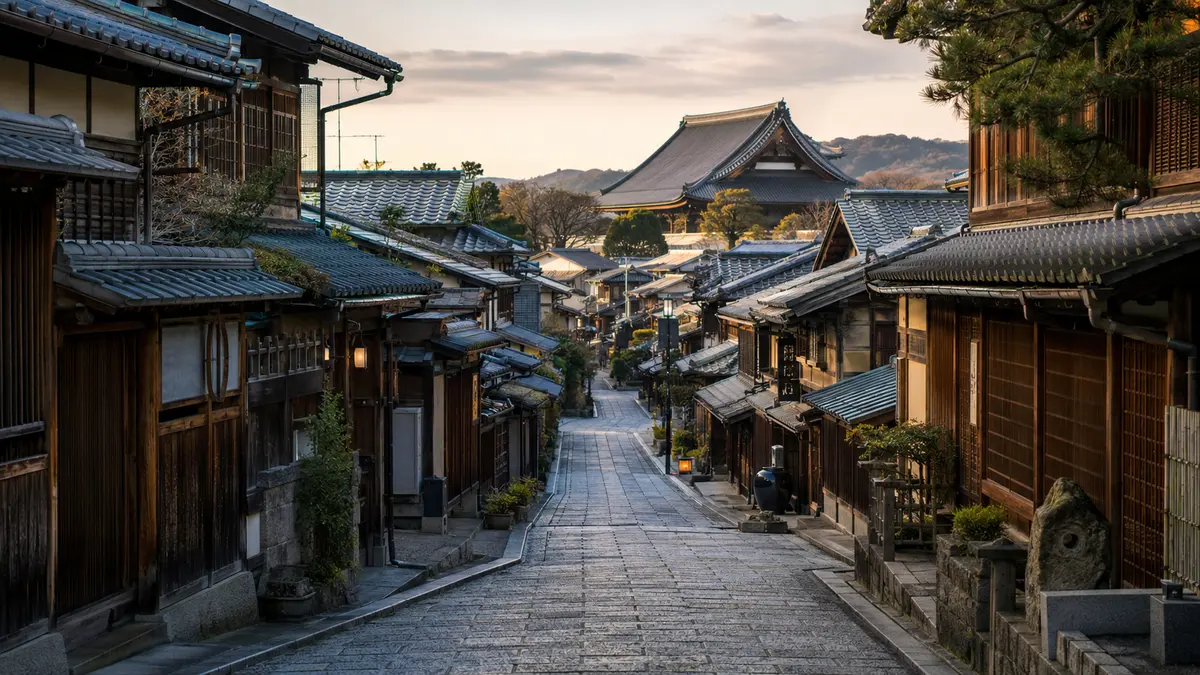
A traveler-focused timeline of major earthquakes and the different secondary hazards they revealed.