Do this now
Follow these steps in order.
- 01
Leave fire, unstable buildings, coastal danger, damaged slopes and other immediate hazards.
- 02
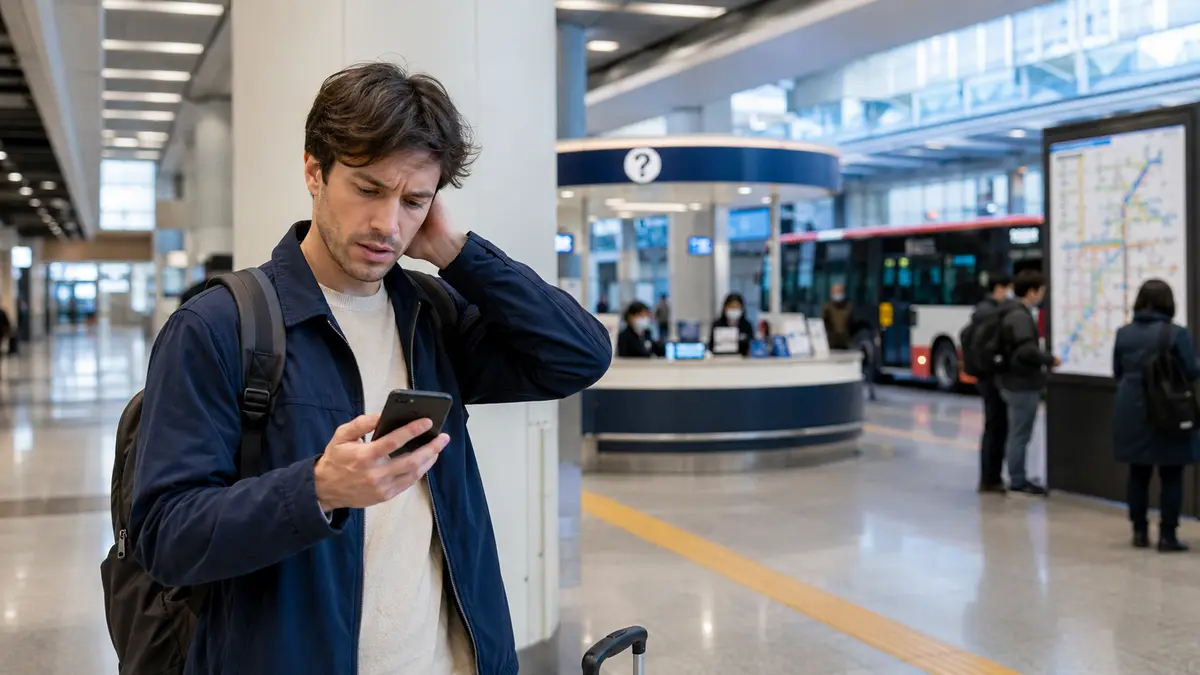
Ask staff or check official local evacuation information for the designated destination and route.
- 03
At the site, register or follow reception instructions and explain language, mobility, medical or medication needs.
- 04
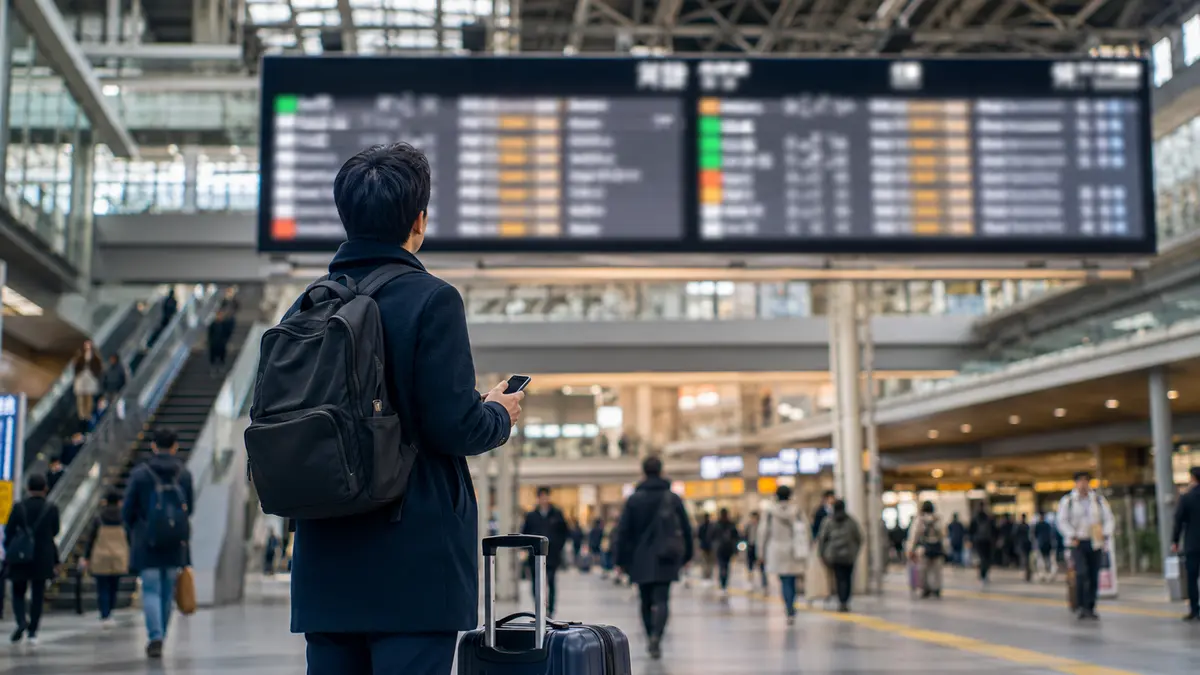
Keep checking official updates before returning to a hotel or moving to another city.
What to know
Evacuating does not always mean sleeping in a shelter
An open space may be used first to escape fire or falling debris. A different facility may later provide temporary accommodation. If your hotel remains safe, staff may instruct guests to remain there. Follow the local plan rather than assuming that the nearest school is the correct destination.
What to know
Use people and signs when maps are outdated
Roads, bridges and entrances can be closed after a strong earthquake. Safety tips evacuation information, municipal announcements, hotel staff, police, firefighters and facility staff can redirect you around current hazards. Do not cross tape or barriers because an offline map shows a shorter route.
What to know
Tell reception what changes your safety
Mention if you are separated from your group, have a disability, are pregnant, travel with a child, need refrigerated medicine, have a serious allergy or do not understand Japanese instructions. Show a translated communication card when speaking is difficult.
What to know
A shelter is a shared emergency facility
Space, charging and supplies may be limited. Keep aisles and exits clear, use only the allocated area, conserve power and water, and follow rules for waste, pets, smoking and quiet periods. Do not publish identifiable images of other evacuees without permission.
If that does not work
Use the fallback.
- If no official shelter is open, remain at a safe staffed hotel, station, public facility or temporary accommodation point until directed.
- If you cannot walk the route safely, tell emergency or facility staff rather than attempting a damaged road alone.
- For multilingual visitor support, use the Japan Visitor Hotline when communications are available.
Before you need it
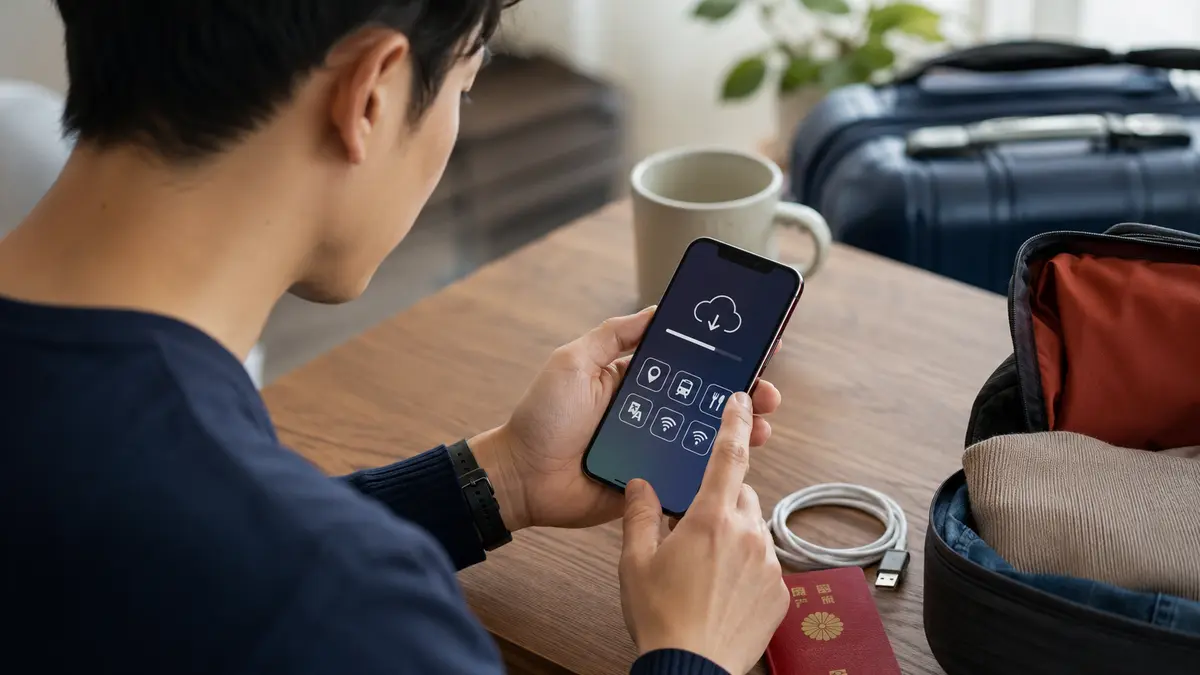
Save this offline.
- Hotel evacuation map and front-desk number
- Safety tips app and local destination name in Japanese
- Passport copy, medication list and emergency contacts
- A short card describing accessibility or medical needs
Primary evidence
Official sources used
Open these pages again before travel. External links lead to the responsible Japanese authority or transport organization.