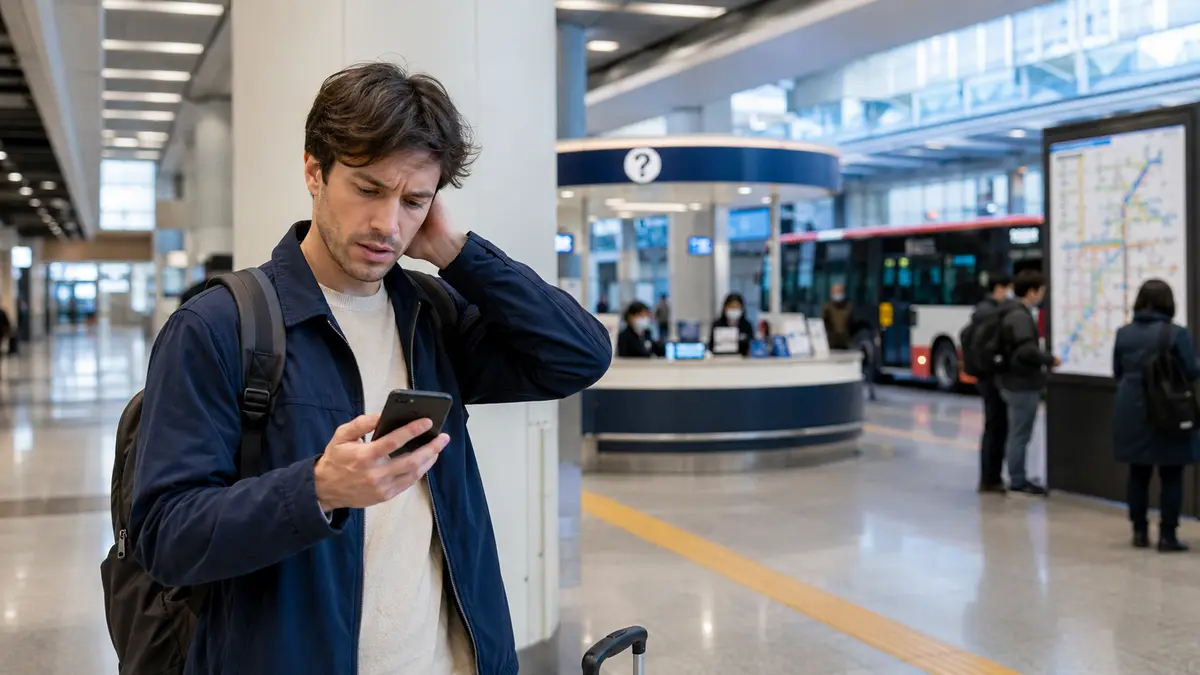

Do this now
Follow these steps in order.
- 01
Mark every long-distance trip between August 7 and 16 and identify the exact train and operator.
- 02
Reserve a Nozomi seat now if it is your preferred Tokaido or Sanyo Shinkansen service.
- 03
Reconfirm accommodation, attractions, restaurants and luggage services individually around August 11–16.
- 04
Check the official WBGT heat-stress forecast each morning and move outdoor activity away from the hottest part of the day.
- 05
Before leaving for a station or airport, reopen the operator status page and current JMA warnings.
What to know
The dates to put in your 2026 itinerary
These dates affect different parts of the trip. Treat them as planning triggers, not as a claim that every place in Japan follows one holiday schedule.
- August 7–16: all seats on Nozomi trains on the Tokaido and Sanyo Shinkansen are reserved.
- August 11: Mountain Day is a Japanese national holiday.
- August 13–16: JNTO describes this as the typical Obon period, when domestic flights, trains and highway buses can sell out in advance.
What to know
What “all Nozomi seats are reserved” means
During the August 7–16 peak period, Nozomi trains do not offer a non-reserved seating section. To sit on a Nozomi, buy a reserved-seat limited-express ticket in advance.
JR Central states that a traveler holding only a non-reserved limited-express ticket may be directed to stand on the deck of an ordinary car, and may be unable to board the preferred train when it is overcrowded. Hikari and Kodama retain non-reserved seating, but those cars may also be crowded.
A nationwide JAPAN RAIL PASS does not include Nozomi or Mizuho travel by itself. A separate Nozomi/Mizuho ticket is required; check the official pass and operator instructions before purchase.
What to know
Reserve the train before locking the day plan
SmartEX is the official online reservation service for the Tokaido, Sanyo and Kyushu Shinkansen. JR Central states that standard reserved seats go on sale at 10:00 a.m. Japan time one month before departure, while a limited selection of products can be requested earlier through the online service.
Information checked on July 24, 2026: seats for the August 7–16 period are already within the normal sales window. Confirm the train, passenger names, date, route and ticket pickup or QR boarding method before paying.
What to know
Obon is not one nationwide closure rule
Obon is a major family and travel period, but it is not listed as a national holiday on the Cabinet Office calendar. Individual restaurants, clinics, attractions and small businesses may use different closing dates.
Check the official page or contact each place that matters to your itinerary. Do not infer an opening schedule from another branch, an old map listing or a general Obon article.
What to know
Use the heat-stress index, not temperature alone
The Ministry of the Environment and Japan Meteorological Agency issue a Heat Stroke Alert when the forecast heat-stress index, or WBGT, is expected to reach 33 or higher in any monitoring point within the relevant region. The English official site shows current and forecast WBGT values.
Check the destination rather than only the departure city. Build in air-conditioned breaks, carry water, reduce long outdoor transfers with luggage and change the schedule when official guidance indicates dangerous conditions.
What to know
Keep weather disruption decisions flexible
Summer weather can disrupt rail, air and ferry plans. JMA issues warnings and advisories, while each operator controls its own service decisions. Recheck both before departure and avoid relying on a screenshot captured earlier in the day.
If a warning or suspension affects the route, follow local authorities and the operator’s current instructions. Protect the next accommodation booking first, then rebuild the itinerary around confirmed services.
If that does not work
Use the fallback.
- If the preferred Nozomi is full, compare another departure time or date and check reserved Hikari or Kodama options.
- If a business has not published its Obon schedule, choose a confirmed alternative rather than assuming it will open.
- If the WBGT or local warning makes the plan unsafe, move outdoor activity to another day or replace it with an indoor route.
- If transport is suspended, use the responsible operator’s refund or change instructions before buying a duplicate ticket.
Before you need it
Save this offline.
- Train reservation and boarding method
- Seat, car and luggage reservation details
- Accommodation contact and late-arrival policy
- JR operator status pages
- JMA warning page
- Ministry of the Environment WBGT page
- Travel insurer and JNTO visitor hotline details
Primary evidence
Official sources used
Open these pages again before travel. External links lead to the responsible Japanese authority or transport organization.