Do this now
Follow these steps in order.
- 01
Pray first when that is the site’s stated order, then find the official omikuji counter, box or machine.
- 02
Pay the exact amount shown and follow that dispenser’s method without taking an extra slip.
- 03
Check whether an English or multilingual version is available before drawing.
- 04
Read the overall rank and the detailed sections on matters such as travel, health, work, study or relationships.
- 05
Keep the slip if you wish, or use only the designated tying place when the shrine or temple permits it.
- 06
Do not tie paper to a tree, railing, statue or gate unless that exact place is clearly provided for omikuji.
What to know
Omikuji are found at both shrines and temples
Omikuji are paper fortunes available at many Shinto shrines and Buddhist temples. JNTO explains that they give an overall result and more specific guidance on topics such as health, work, love, business, study and travel.
Receiving one is optional. It is not an admission requirement, and a visitor does not need to draw a fortune in order to pray or visit the grounds.
What to know
Use the method shown at that location
JNTO describes a common method in which a visitor shakes a box, draws a numbered stick and receives the matching paper. Other sites use drawers, direct handover, vending-style machines or a fortune contained in a small figure.
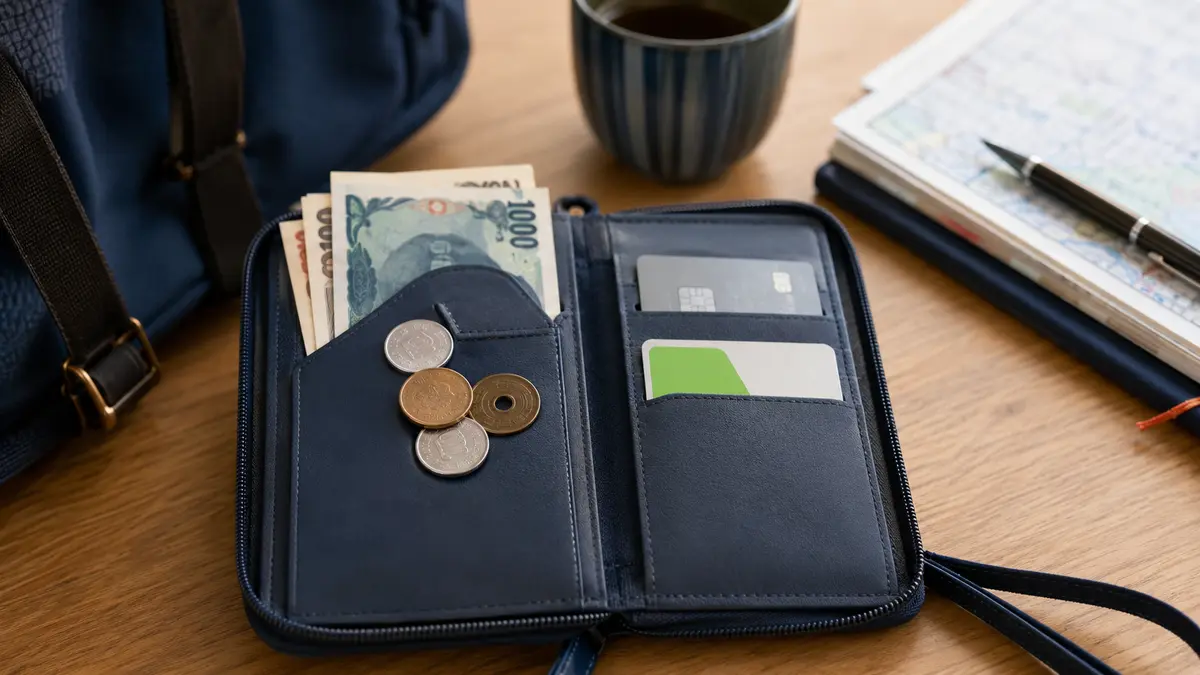
The price also varies. JNTO gives a typical range of about ¥100–¥200, while Meiji Jingu currently publishes a ¥100 Waka-poem oracle. Treat every amount as location-specific and check the sign on the day.
What to know
Ask about language before you draw
Some sites offer English or multilingual omikuji, but not every box does. JNTO lists examples including Senso-ji, Naritasan Shinshoji, Tsurugaoka Hachimangu and Nishiki Tenmangu, while availability can change.
If several boxes or machines are present, look for an English label or ask staff before paying. Do not assume a phone translation of a single character captures the full guidance.
What to know
Read more than the luck rank
JNTO gives a common sequence including dai-kichi, kichi, chu-kichi, sho-kichi and kyo, translated there as excellent, general, middle, small and bad luck. Individual sites can use additional terms or a different presentation.
The detailed text matters because an omikuji can give different guidance for travel, lost items, health, study, work or relationships. A strong overall rank does not mean every section says the same thing.
Meiji Jingu demonstrates how different a site can be: its omikuji are selected Waka poems by Emperor Meiji and Empress Shoken with English translations, intended as ethical messages rather than a standard luck-ranking sheet.
What to know
A bad result is guidance, not an emergency
JNTO advises visitors not to be discouraged by bad luck and to read the explanation carefully for guidance on improving the situation. Do not treat an unfamiliar translation as medical, legal, financial or safety advice.
You do not need to keep drawing until a preferred result appears. If a decision affects your real travel safety, follow the responsible authority or operator rather than a fortune slip.
What to know
Keep it or tie it only where permitted
JNTO describes a general tradition of taking excellent or general luck home and tying bad luck at the shrine or temple. It also stresses that beliefs and designated places vary by site.
Use the strings, rack or branch specifically marked for omikuji. Do not tie a slip to a random living tree, fence, handrail, sacred object or architectural feature. If there is no clearly designated place, keep the paper and ask staff.
What to know
Treat the paper and the place respectfully
Do not unfold other people’s slips, take an abandoned-looking fortune from a rack or remove a tied paper for a photograph. Keep the counter and tying area moving when others are waiting.
If you take the omikuji with you, store it without littering the grounds. The shrine or temple’s current disposal or return instructions, when published, take priority over generic advice.
If that does not work
Use the fallback.
- If you cannot identify the English option, ask staff before paying or choose not to draw.
- If the numbered stick or machine does not dispense correctly, do not take another slip without telling staff.
- If there is no designated tying place, keep the omikuji rather than attaching it somewhere improvised.
- If the translation is unclear, save the full paper and ask a fluent reader; do not rely on one isolated character.
- If an omikuji conflicts with an official safety instruction, follow the official instruction.
Before you need it
Save this offline.
- A photo of the result and all explanatory sections
- The shrine or temple’s official omikuji page
- The posted price and language options
- Location of the designated tying rack, if one is provided
- The site name in Japanese for later reference
Primary evidence
Official sources used
Open these pages again before travel. External links lead to the responsible Japanese authority or transport organization.