Do this now
Follow these steps in order.
- 01
Check whether the box in front of the worship hall is the saisen offering box and keep the prayer space clear.
- 02
Choose any small coin you sincerely wish to offer; do not delay the line to search for a particular denomination.
- 03
Place or toss the coin calmly into the box without throwing it at the building, rope or another visitor.
- 04
Ring the bell gently only when a bell rope is provided and available.
- 05
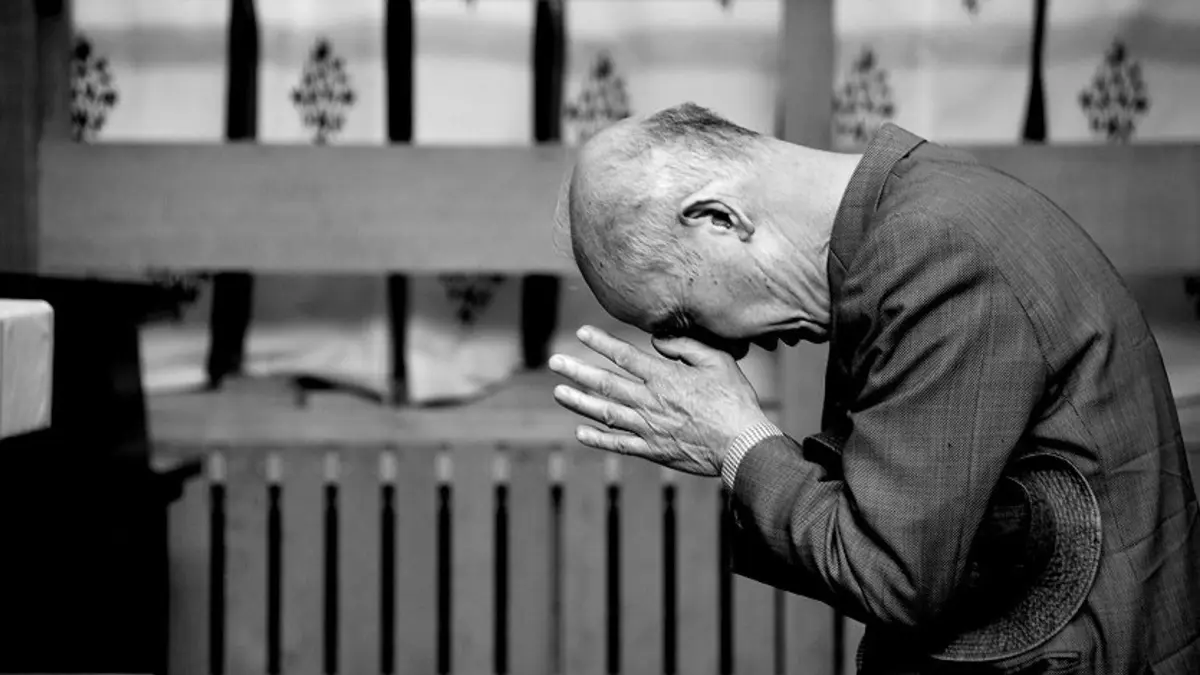
Use the shrine’s prayer sequence, normally two bows, two claps, a quiet prayer and one bow.
- 06
Pay any posted admission, museum, garden, amulet or ceremony charge separately at the designated counter.
What to know
There is no fixed offering amount
Jinja Honcho’s official English Q&A says that although offering coins in the saisenbako is customary, no fixed amount is required. The offering is voluntary and is not a ticket price for speaking to the kami.
More money does not make a visitor more respectful, and less money does not invalidate a sincere prayer. Choose an amount that is comfortable, or proceed without creating a disruption if you do not have a coin.
What to know
Why many people choose a ¥5 coin
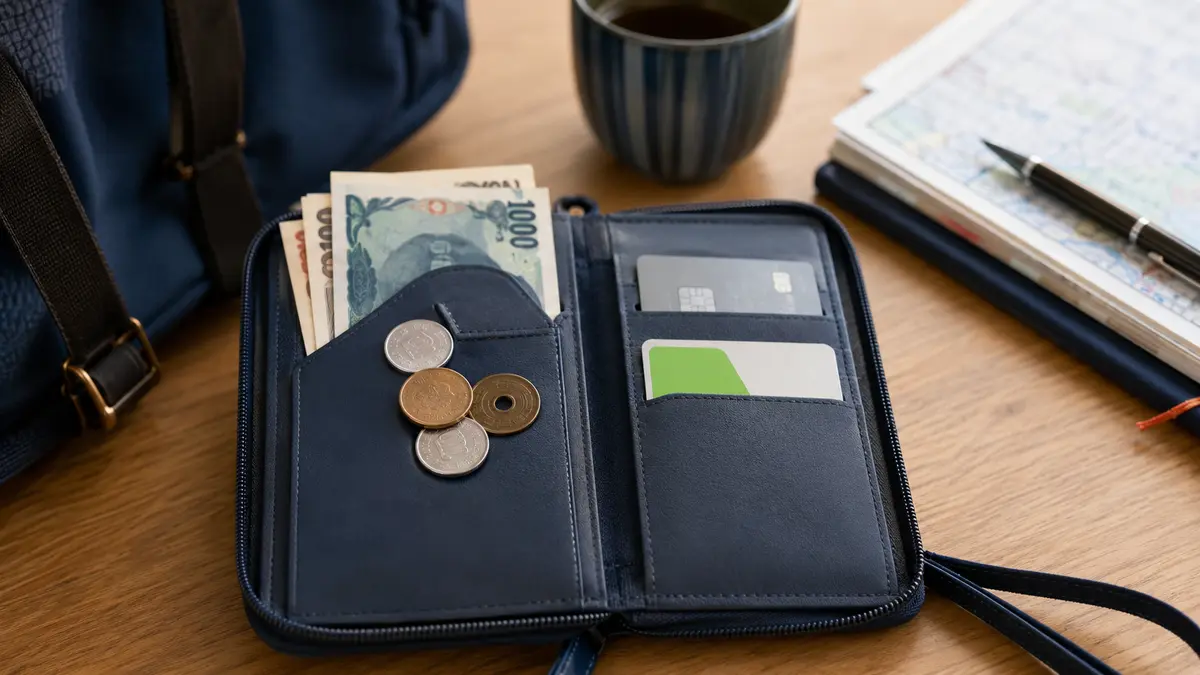
JNTO notes that ¥5 is commonly used because go-en, the Japanese reading of five yen, sounds like a word associated with a connection or relationship. This wordplay makes the coin culturally popular.
It is not an official minimum and does not promise better luck. A ¥1, ¥10, ¥50, ¥100 or other coin is not automatically disrespectful. Do not block the worship area while asking strangers to exchange money solely to obtain ¥5.
What to know
The offering is not the admission fee
Jinja Honcho says most shrine precincts do not charge admission, while certain museums and gardens within a precinct may require a fee. A saisen offering does not replace a posted entrance ticket or facility charge.
The same distinction applies to amulets, omikuji, goshuin and formal prayer services. Follow the amount and payment method shown at the relevant counter; do not put a required purchase fee into the offering box unless staff direct you to.
What to know
Use cash unless the shrine says otherwise
Jinja Honcho states that most jinja do not accept credit cards or e-money. Keep a few yen coins available if making an offering matters to you, but do not assume a nearby counter, QR code or donation terminal is connected to the offering box.
Some individual shrines may publish a newer or different payment method. Use it only when the shrine itself identifies the method and purpose.
What to know
Offer the coin without turning it into a throw
Jinja Honcho describes putting or tossing coins into the box before the bows and claps. The practical goal is a calm offering, not force or distance.
Stand at the designated place, make sure no person is between you and the box, and release the coin into the opening. Do not aim at the rope, doors, sacred objects or a box that is closed or out of reach.
What to know
No coin does not mean no visit
Visitors of other faiths and visitors without cash may enter public shrine areas and behave respectfully. You are not required to buy an amulet, draw a fortune or make a personal prayer.
If you wish to pay respects without an offering, stand in the proper worship position and follow the shrine’s current prayer instructions without pretending to deposit money. Do not take a coin from a decorative display, water basin or another offering area.
What to know
The shrine’s instruction remains decisive
Some shrines use a different prayer sequence, control the bell during busy periods or close access to the front of the hall. An offering never overrides a rope, sign, queue or staff instruction.
If a ceremony or formal prayer has a stated donation or fee, ask the shrine office what it covers. Treat that arrangement separately from the ordinary coin offering described in this guide.
If that does not work
Use the fallback.
- If you have no coin, pay respects quietly without blocking the line or ask the shrine office whether another official method exists.
- If the offering box is closed or inaccessible, do not throw money over a barrier.
- If you accidentally put a required ticket or purchase payment into the offering box, tell staff rather than reaching into it.
- If a cashless sign is unclear, verify it with the shrine office before scanning or paying.
- If the shrine posts a specific sequence or amount for a ceremony, follow that instruction for the ceremony.
Before you need it
Save this offline.
- The shrine’s official visitor and payment page
- A few small yen coins if you want to make offerings
- Key rule: no fixed amount is required
- Posted admission or ceremony price kept separate from saisen
- Shrine name in Japanese for staff questions
Primary evidence
Official sources used
Open these pages again before travel. External links lead to the responsible Japanese authority or transport organization.