
Do this now
Follow these steps in order.
- 01
Check the room, time and activity before deciding how loudly to speak.
- 02
Keep group conversation low and brief on commuter trains and buses; do not make an ordinary phone call onboard.
- 03
Use headphones and mute autoplay, alerts, games, speakerphone and camera or livestream commentary.
- 04
Lower voices in residential streets, accommodation corridors and religious sites, especially early in the morning and at night.
- 05
Move a tour briefing, video call or excited group conversation to a place designed for it.
- 06
Follow the venue’s current sign and staff rather than assuming every restaurant, train or attraction has the same atmosphere.
- 07
Speak clearly and call out when safety, an emergency or an accessibility need requires it.
What to know
Quietness is contextual, not a national silence law
Official visitor guidance describes low voices as consideration for other people, especially on public transport. It does not say that ordinary conversation is forbidden throughout Japan. Streets, shops, restaurants, festivals, stations and parks all have different purposes and sound levels.
Aim to avoid dominating a shared space, not to perform perfect silence. Check the current sign, listen to the room for a moment and use the lowest volume that lets the intended person understand you. A posted rule or staff instruction is more reliable than a cultural stereotype.
What to know
Use a simple place, time and purpose check
First ask whether the space is enclosed or crowded. Then ask whether people are commuting, sleeping, praying, listening or living nearby. Finally check whether it is early, late or part of a quiet program. More yes answers mean a lower voice and fewer device sounds.
The purpose can reverse the answer. A station platform still needs audible safety announcements, a festival invites celebration, and an emergency requires a clear call for help. Courtesy means matching the sound to the activity rather than applying one volume everywhere.
What to know
Keep commuter-train and bus conversations low
JNTO asks passengers on public transport to avoid loud conversations, phone calls and excessive noise. Talking quietly to a companion is acceptable, but a group can become much louder than each person realizes. Bring everyone closer instead of projecting across the aisle or between rows.
Keep greetings, route checks and necessary assistance brief. Avoid shouting to someone through a closing door, playing group games or calling across a crowded carriage. If the vehicle is nearly silent, lower the conversation another step or pause it until you leave.
What to know
A long-distance train is not automatically a silent car
Shinkansen and limited-express passengers commonly talk, eat and travel in groups, but the shared cabin is still not a private room. Use a moderate voice, keep celebrations contained and follow any car-specific or operator instruction. Do not label another traveler rude simply for having a quiet conversation.
Ordinary phone calls should wait or move to the operator-approved place described by the onboard announcement; some trains have no suitable place. A limited product can work differently: JR East’s TRAIN DESK cars on eligible services allow calls and web meetings under stated conditions. Treat that as a car-specific permission, not a rule for the rest of the train. Never obstruct a vestibule, accessible area or doorway.
What to know
Headphones prevent playback, not every kind of noise
Use headphones for music, films, games and social-media clips, as JNTO recommends. Before boarding, mute autoplay, keyboard tones, repeated message alerts and alarms that are no longer needed. Hold the earphones briefly away from your ears to check whether sound is leaking.
Keep the volume low enough to hear safety announcements and people who need to get past. Accessibility audio, navigation cues and emergency alerts may be necessary; use them at the minimum effective level rather than disabling something needed for safe travel.
What to know
Speakerphone, video calls and livestreams need another place
A speakerphone or video meeting sends both sides of a conversation into the room. On public transport, wait until you have left the vehicle. In a station, hotel lobby or attraction, move away from gates, queues, seating for waiting passengers and people trying to hear announcements.
Voice notes and livestream commentary can be just as intrusive even when the other person is not audible. Use text, record later or find a place where speaking is expressly appropriate. Noise etiquette does not replace photography, privacy or filming rules; all of them still apply.
What to know
Stations and airports require clear but contained communication
You do not need to whisper when asking staff for a platform, reporting lost property or confirming an accessibility arrangement. Speak clearly at the counter, then step aside when the exchange is finished so the next person and nearby announcements can be heard.
Do not hold a tour briefing at a ticket gate, security entrance or narrow platform. Gather in a designated meeting area and use close-range speech or receivers rather than a portable loudspeaker unless the facility has authorized it.
What to know
Residential streets deserve extra care
Kyoto City’s official responsible-travel guidance asks visitors to walk and talk quietly in residential areas and religious sites. A sightseeing street can also be someone’s route home, and houses, apartments, alleys and vacation rentals may sit immediately beside a popular photo spot.
Keep early-morning and late-night conversations short, close doors gently and regroup away from entrances. Rolling luggage, suitcase stops, car doors and repeated calls to a separated companion can carry farther than expected. Do not assume an empty street means no one can hear you.
What to know
Vacation rentals and hotels use property-specific quiet hours
There is no single national hotel quiet hour. Read the accommodation’s rules for corridors, lounges, balconies, rooftop spaces, shared kitchens and guest rooms. Kyoto specifically notes that vacation rentals are often in quiet residential areas and asks guests to avoid noise at night and early in the morning.
Keep calls, television and group conversation from carrying through walls or open windows. If a neighboring room is disturbing sleep, contact the front desk or host rather than banging on a wall or confronting the occupants. Staff can confirm the property rule and handle the request.
What to know
Shrines and temples are active religious places
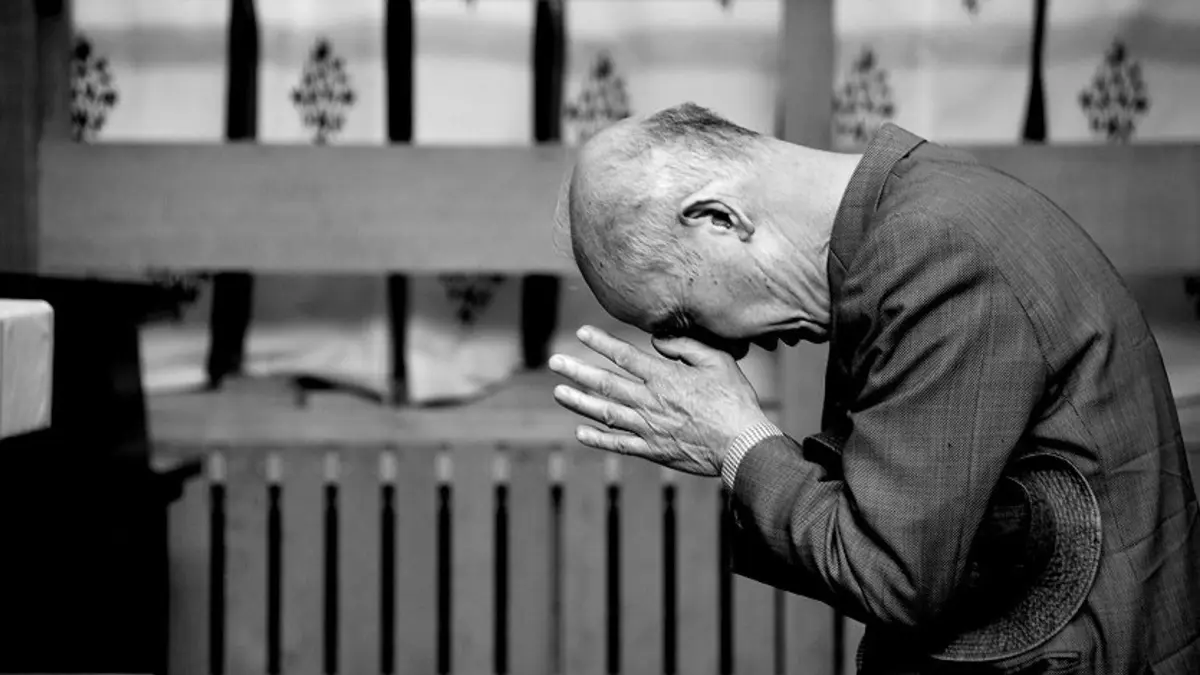
JNTO’s 2026 visitor tips say not to be loud or run at shrines and temples, while Kyoto asks people to move quietly at religious sites. Lower your voice near worship halls, ceremonies, memorial services, meditation rooms and people praying. Turn off spoken navigation and do not narrate a video beside them.
Authorized bells, drums, chants, festival music and children taking part in a rite belong to the site’s activity; they are not permission for a visitor group to compete with the sound. Follow the precinct’s signs and staff because an ordinary visiting period and a festival day can operate differently.
What to know
Museums, theaters and guided programs set their own level
A museum gallery, performance, tea ceremony, garden tour or audio-guided exhibition may request silence or restrict phone use. Silence a device before the program begins and ask questions at the time the guide invites them.
An interactive museum or family attraction may encourage voices and sound. Follow the zone rather than carrying the atmosphere from one room into the next. If you arrive during an explanation, wait at the edge instead of speaking over it.
What to know
Restaurants, bars and markets can be quiet or lively
A small counter restaurant, tea room and formal dining room can be calm, while an izakaya, food hall or market may be energetic. Match the established atmosphere and staff direction. Normal dining sounds—including accepted noodle slurping—do not make shouting, speaker playback or a loud phone call appropriate.
Keep group toasts and celebrations within the table and agreed event plan. When leaving a lively venue, lower the volume before entering the hallway or street; the neighboring homes, hotel rooms and last train do not inherit the restaurant’s sound level.
What to know
Festivals, stadiums and karaoke are sound-positive spaces
Cheering, clapping, chanting and music can be part of a festival, sporting event, concert or karaoke room. Join in within the event rules, ticket conditions and announced times. Do not apply commuter-train silence to an activity whose purpose includes collective sound.
The boundary still matters. Keep amplification inside the booked room or event area, stop when staff or the program asks, and lower voices on the route back through residential streets and public transport.
What to know
Early and late hours change the impact
A sound that blends into an afternoon shopping street can disturb sleep before breakfast or after the last local businesses close. Avoid balcony calls, hallway reunions, speaker music and repeated suitcase movement during the property’s quiet period or in a residential area at night.
Early access to a viewpoint or temple does not turn the neighborhood into an empty tourist set. Prepare directions and group assignments before arrival so the quieter time does not require shouted coordination.
What to know
Manage controllable sound without policing people
Focus on choices you control: your voice, device, group, doors and luggage. A baby crying, an involuntary vocalization, a speech difference, a medical event or communication through an accessibility aid is not evidence of disrespect.
Do not stare, record, imitate or demand an explanation from another traveler. Give space and let the person, companion or staff handle the situation. If you need a quieter seat or room, ask staff about an available alternative without describing another person as the problem. Reasonable accommodation and safety or facility rules should be worked through together with staff, not treated as opposing absolutes.
What to know
Safety and necessary communication come first
Call out immediately if someone is in danger, a child is missing, a door or platform presents a hazard or you need emergency help. Follow alarms, evacuation instructions and staff announcements at an audible volume; quiet etiquette must never delay a warning.
If you cannot hear an announcement, move closer or ask staff to repeat it. Do not raise headphone volume to overcome an alarm, and do not shame someone for using speech, an alarm or an assistive device needed for safety.
What to know
Respond simply when asked to lower the volume
If staff or another passenger indicates that your group is too loud, lower the sound, mute the device or move to an appropriate place. A short “Sumimasen” and a visible correction are usually more useful than explaining that the same volume was accepted somewhere else.
For a persistent disturbance, ask staff for help instead of escalating the exchange. Do not photograph, livestream or publicly shame the person. The goal is to restore the shared space, not to win an argument about culture.
What to know
Use simple Japanese to check the sound level
“Koko de hanashite mo daijōbu desu ka?” means “May I talk here?” “Denwa dekiru basho wa doko desu ka?” asks “Where can I make a phone call?” and “Oto o dashite mo ii desu ka?” asks whether sound may be played.
“Mō sukoshi shizuka ni shimasu” means “We’ll be a little quieter.” “Shizuka na seki wa arimasu ka?” asks for a quiet seat, and “Oto ni binkan desu” means “I am sensitive to sound.” “Sumimasen, kikoemasen deshita” asks staff to repeat something you could not hear. In danger, say “Tasukete kudasai” for “Please help,” “Kinkyū desu” for “It’s an emergency,” or “Abunai desu” for “It’s dangerous.”
If that does not work
Use the fallback.
- If you cannot tell what level is appropriate, pause, listen to the room and speak more softly.
- If a call or recording can wait, make it after leaving the vehicle, worship area or quiet program.
- If a group needs coordination, move to a designated meeting area and bring people closer.
- If accommodation rules do not list quiet hours, keep controllable noise low at night and ask the property.
- If you need quiet, ask staff for another seat, room or waiting area instead of confronting a stranger.
- If safety is at risk, speak clearly, warn people and follow emergency instructions.
Before you need it
Save this offline.
- Japan has no universal public-silence rule; match the place, time and activity
- Commuter transport: low voices, no ordinary phone calls, headphones without leakage
- Residential areas, accommodation corridors and religious sites need extra care
- Restaurants, festivals, stadiums and karaoke can use a different sound level
- Manage controllable sound; do not police disability, distress or involuntary sounds
- Warnings, emergencies and necessary communication always take priority
Primary evidence
Official sources used
Open these pages again before travel. External links lead to the responsible Japanese authority or transport organization.