Do this now
Follow these steps in order.
- 01
Check the site’s official photography rules before visiting and look again for signs at each building.
- 02
Pay your respects before treating the grounds as a photo location.
- 03
Keep the camera down at prayer areas, ceremonies and counters unless the site explicitly permits photography there.
- 04
Ask before making an identifiable worshipper, priest, monk, staff member or other visitor the subject of a photo.
- 05
Turn off flash, shutter sounds or video lights wherever requested and stop immediately if staff signal.
- 06
Keep doorways, approaches, stairs and worship lines open; take the picture from a safe standing place.
- 07
Obtain advance permission for tripods, portrait sessions, promotional work, livestreaming or any drone use.
What to know
There is no single nationwide shrine-and-temple photo rule
A site may permit general outdoor photographs while banning them at the main sanctuary, inside halls, around sacred images, at an amulet office or during a rite. Kyoto’s official visitor guidance says some shrines and temples prohibit photography in specific areas or prohibit flash and tells visitors to check signs carefully.
Treat every doorway and room as a new decision point. A ticket to enter, a visible photograph online or another visitor using a phone does not override the site’s current notice.
What to know
No-photo and no-flash signs are firm boundaries
JNTO’s shrine and temple guidance is direct: be mindful of signs and do not take photographs or video in prohibited areas. A crossed-out camera normally covers phones as well as dedicated cameras; a crossed-out flash means available-light photography only if ordinary photography is otherwise allowed.
Do not take a quick image and apologize afterward. If the symbol, wording or boundary is unclear, put the device away and ask staff. Deleting a file later does not undo disruption at a prayer or ceremony.
What to know
Prayer areas and rites need extra care
Meiji Jingu’s current etiquette rules prohibit photos and video at its main sanctuary where people pray, and its private-rite page prohibits photography during the ceremony. These are site-specific examples, not a claim that every outdoor worship area in Japan has the same boundary.
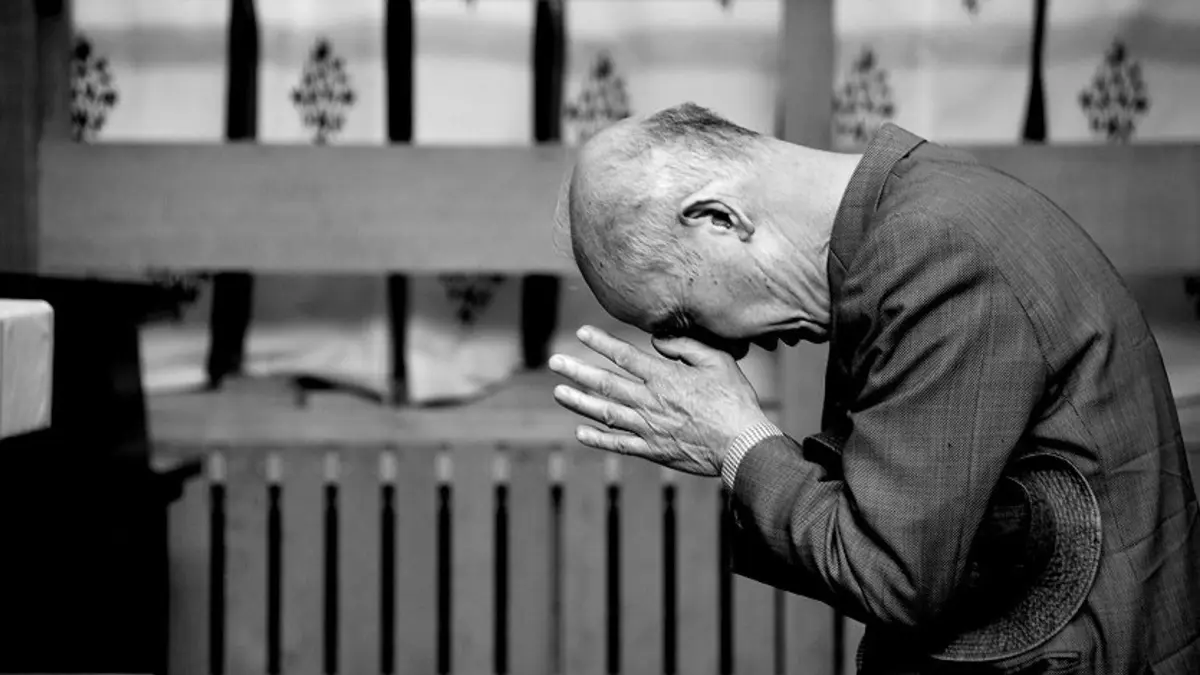
Keep out of the direct worship line, avoid posing at an offertory box and do not ask worshippers to pause. A quiet device can still be intrusive when it is pointed at a person praying.
What to know
Ask before photographing an identifiable person
JNTO’s responsible-photography guide advises asking permission before photographing individuals, including in public spaces. At a shrine or temple this applies to worshippers, religious staff, workers, families and other visitors.
A person incidentally present in a wide view is different from making that person the subject, but privacy and dignity still matter. A headshake, turned face, raised hand or staff request means stop. Get separate permission before publishing a close portrait or using it promotionally.
What to know
Do not trade safety or access for the angle
Kyoto’s official guidance warns visitors not to stop in ways that obstruct people and traffic while taking photographs. At a religious site, also keep stairs, thresholds, paths, ramps, doors and worship queues clear.
Stay behind ropes and barriers, keep off garden beds and cultural property, and do not move offerings or fixtures. A selfie stick, tripod or large bag must never project into the route of other visitors.
What to know
Flash, tripods and video can have separate rules
Permission for a handheld still photograph does not automatically include flash, a tripod, a gimbal, extended video recording or a livestream. Equipment can obstruct visitors, damage floors or change the atmosphere even when the scene itself is photographable.
Follow the most specific posted rule. If you need a tripod or planned filming, contact the site before arrival instead of negotiating in a busy hall. Be prepared to work handheld or not shoot.
What to know
Commercial, promotional and drone work requires planning
Meiji Jingu explicitly requires permission for video and promotional photography and prohibits drones. Other religious sites define commercial work and application procedures differently.
Do not assume a small camera, personal social account or unpaid project makes a staged shoot ordinary sightseeing. Portrait sessions, product placement, monetized channels, crews, costumes and repeated takes may require advance approval. Drone operation also involves aviation and local rules, but site permission remains necessary and may be refused.
If that does not work
Use the fallback.
- If no English rule is available, photograph the sign for translation without aiming into the restricted area.
- If a boundary is unclear, step back, keep the camera down and ask staff.
- If a ceremony begins, stop recording and move away unless staff have expressly designated a viewing area.
- If another visitor refuses or appears uncomfortable, do not take the portrait and do not argue.
- If a tripod or flash is disallowed, switch to a handheld available-light shot only where ordinary photography remains permitted.
- If advance permission cannot be obtained, redesign the shoot for a clearly permitted public location.
Before you need it
Save this offline.
- A screenshot of the site’s official photography and filming page
- Japanese phrases: 写真撮影禁止 (no photography) and フラッシュ禁止 (no flash)
- Contact details for advance filming permission
- A silent, no-flash camera preset
- A compact plan that does not require a tripod or staged retakes
Primary evidence
Official sources used
Open these pages again before travel. External links lead to the responsible Japanese authority or transport organization.