
Do this now
Follow these steps in order.
- 01
Check the site’s official page or notice for the goshuin counter, reception hours, designs and current amount.
- 02
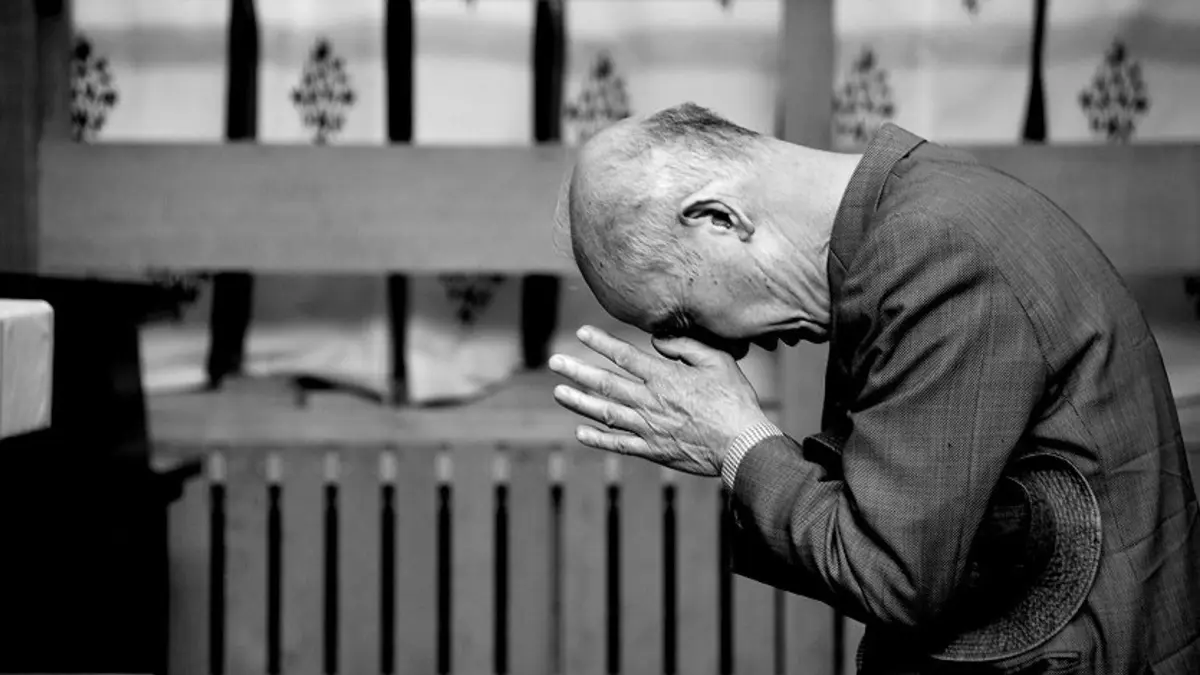
Visit the worship area and pay your respects before joining the goshuin line.
- 03
Use a dedicated goshuincho and open it to a blank page before handing it to staff.
- 04
If several designs are displayed, point to the one you want and do not request unlisted alterations.
- 05
Pay the posted amount using the method accepted at that counter; carry small cash as a practical backup.
- 06
Follow any return-time or numbered-ticket instruction if staff keep the book while preparing it.
- 07
Accept a prewritten separate sheet when direct calligraphy is not being offered, then store it flat for later mounting.
What to know
A goshuin is a record of worship and visit
Jinja Honcho describes a goshuin as a record of a visitor’s visit and respects. It normally includes a red seal, the shrine’s name and the date in black writing. Todaiji similarly calls it a record of a connection with Shinto and Buddhist deities and proof of a visit.
This context changes the etiquette. Treat the counter as part of a religious visit rather than a collectible-stamp station. Pray first, wait calmly and handle the completed page with care.
What to know
Availability, place and hours are site-specific
Not every shrine or temple issues goshuin, and a large site may have several halls with different seals and reception windows. Todaiji’s official list, for example, identifies multiple halls and separate goshuin hours; some windows finish earlier than the surrounding grounds.
Look for 御朱印, 朱印所 or a notice near the amulet or temple office. The official website and the sign at the site take priority over map reviews, old blog prices and social-media photographs.
What to know
Use a dedicated goshuincho
A goshuincho is the book made for goshuin. Meiji Jingu describes it as a dedicated book, and JNTO advises keeping other kinds of stamps out because goshuin are considered sacred.
Buy a goshuincho at the site if one is offered, or bring your own. Remove loose receipts or personal items, open the book to the exact blank page you want and present it with the page facing up. Do not hand over a passport, ordinary tourist stamp book or notebook and expect staff to write in it.
What to know
Follow the counter sequence
After worship, join the correct line and have the open book and payment ready. If several current designs are shown, select from that display. JNTO notes that visitors can usually point to the desired design when choices are available.
Staff may stamp and write directly while you wait, or keep the book and tell you when to return. Keep any ticket they provide. Do not lean over the writing area, touch tools or photograph the calligrapher without explicit permission.
What to know
A separate-sheet goshuin is valid
Some sites issue a goshuin already written or printed on a separate sheet, often called kakioki. JNTO confirms that these sheets can be pasted into a goshuincho later and may also be available when a visitor has forgotten the book.
Accept the method offered that day. A separate sheet is not a service failure, and staff may be unable to change it to direct calligraphy during busy periods, ceremonies or limited operations. Keep it flat and confirm the correct orientation before mounting it.
What to know
Use the current amount, not an internet rule
JNTO’s 2020 overview mentioned a common range of ¥300–¥500, while individual official pages show why old averages should not be treated as a fixed fee. Designs, special editions and amounts can change, and different halls at one temple may operate separately.
Check the amount displayed on the day. Payment methods also differ: Meiji Jingu’s official Q&A says its goshuin counter does not accept credit cards. Small cash is therefore a sensible backup, but it is not a universal cash-only rule.
What to know
Preserve the record respectfully
Allow fresh ink to dry before closing the book. Use the blotting paper supplied by staff if present, keep separate sheets protected from rain and avoid writing over the calligraphy.
Jinja Honcho says a goshuin is a record of your own visit and respects and is therefore not an appropriate gift. Do not remove another person’s page, resell a goshuin as if it were ordinary merchandise or use the dedicated book for unrelated novelty stamps.
If that does not work
Use the fallback.
- If no counter or notice is visible, ask staff once and accept that the site may not issue goshuin.
- If the reception window is closed, return during the official hours rather than asking unrelated staff to reopen it.
- If you forgot your book, ask whether a separate sheet or a new goshuincho is available.
- If you lack the accepted payment method, do not pressure staff; use a nearby cash source and return before closing if practical.
- If staff ask you to collect the book later, photograph the ticket or return-time notice without photographing restricted areas.
- If the ink is still wet, leave the book open in a safe place until staff indicate it can be closed.
Before you need it
Save this offline.
- The shrine or temple’s official goshuin page
- A screenshot of the counter location and reception hours
- The current amount and accepted payment method
- Shrine or temple name in Japanese for identifying the finished page
- A protective sleeve for separate-sheet goshuin
Primary evidence
Official sources used
Open these pages again before travel. External links lead to the responsible Japanese authority or transport organization.