Do this now
Follow these steps in order.
- 01
Confirm that the gate is a torii leading into a Shinto shrine, not a Buddhist temple gate or a freestanding landmark.
- 02
Before entering, move out of the pedestrian flow, face the shrine and bow lightly if it is safe to pause.
- 03
Walk a little to the left or right of the exact center instead of treating the middle as a photo position.
- 04
Keep moving through the gate, follow marked paths and do not touch, lean on or climb the structure.
- 05
When leaving, cross the gate, move clear of other visitors, turn toward the shrine and bow lightly if conditions allow.
- 06
Follow staff, temporary signs and the shrine’s own directions whenever they differ from the common form.
What to know
What a torii tells you
Jinja Honcho describes the torii as the border between the sacred space of a jinja and the everyday world outside. After passing through it, treat the whole precinct—not only the main building—as a sacred area.
A torii normally indicates a Shinto shrine. A roofed sanmon gate with Buddhist guardian figures usually belongs to a temple. Large complexes, shared historical sites and remote approach routes can be less obvious, so use the official site name and signs when available.
What to know
Bow before entering without blocking the gate
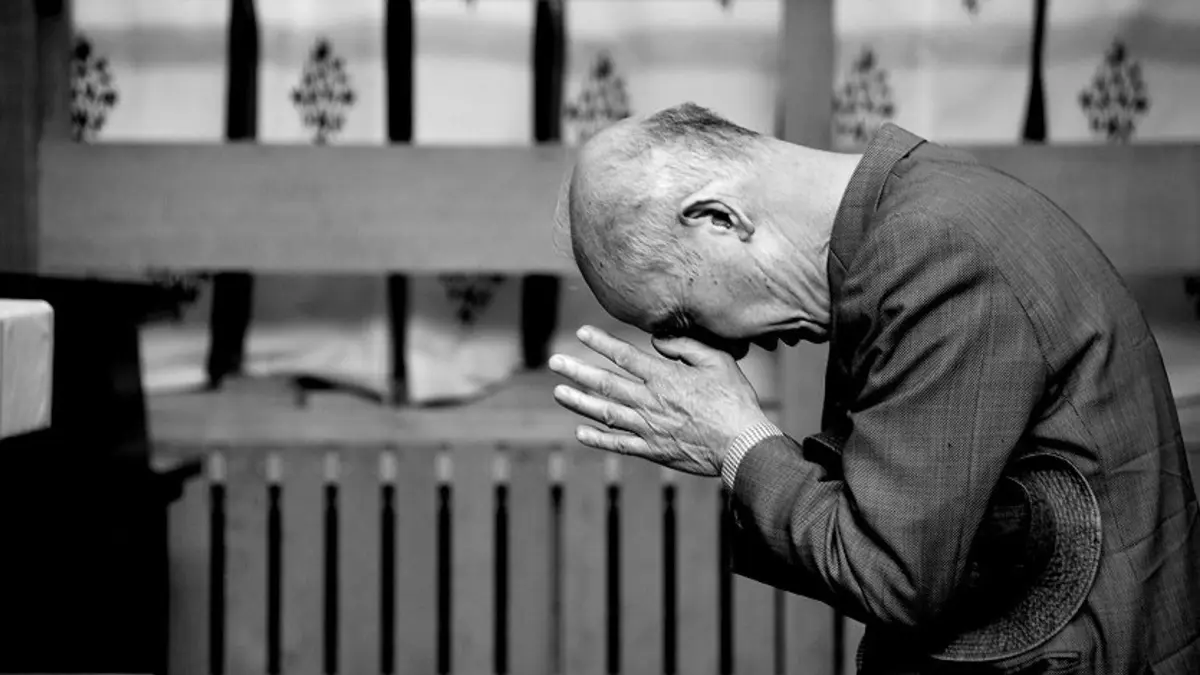
Jinja Honcho says many people pause and bow their heads slightly before walking through a torii. JNTO describes one bow in front of the gate as the correct, though not universally practiced, way to enter.
The bow does not need to be theatrical. Step out of the main flow, face the shrine and make a brief, calm bow. If the entrance is crowded, staff are directing a queue or stopping would create a hazard, keep moving and follow the managed route.
What to know
Pass beside the exact center
JNTO’s official shrine guidance says it is customary not to pass through the exact center of the gate. Walk a little to the left or right and continue along the approach without occupying the middle for a photograph.
This does not mean pushing into another person, leaving an accessible path or disobeying a one-way route. Safe movement and the shrine’s current instructions take priority over a generalized custom.
What to know
Do not turn the torii into a photo prop
Do not climb, hang from, lean equipment against or attach anything to a torii. Keep tripods, bags and groups out of the entry lane, and never ask another visitor to stop worshippers so you can make an empty-frame photograph.
A photograph that includes a torii is not automatically prohibited, but permission depends on the shrine and the exact area. Meiji Jingu, for example, prohibits photography and video at its main sanctuary, promotional filming without permission, drones and disruptive behavior throughout the grounds.
What to know
The torii is the beginning, not the whole visit
After entering, remain considerate across paths, woods, lawns and worship areas. Jinja Honcho says visitors normally worship from outside and should not enter buildings, fenced areas or roped areas without an invitation.
Proceed to the purification font when it is open, then pay respects at the designated prayer hall. Do not remain under the gate to finish a conversation, reorganize luggage or review photos while other people are entering.
What to know
Bow again when leaving
JNTO’s visitor guidance describes looking back toward the shrine and giving one more bow after crossing the torii on the way out. Use the same brief, calm form as the entrance bow.
First move clear of the gate and pedestrian flow. Do not step backward into visitors or traffic for the sake of the bow. At an exit controlled by staff, vehicles or a festival crowd, follow the current direction and leave safely.
What to know
Not every torii works like a street entrance
Some torii stand offshore, on mountain trails, in water, along long approaches or at points that ordinary visitors should not cross. A torii is not permission to enter private land, a closed route or a hazardous natural area.
Itsukushima Shrine’s famous offshore O-Torii is reached differently with the tide and official visitor arrangements. Treat distinctive locations as site-specific cases and check the shrine’s current access rules rather than forcing the standard street-gate sequence onto them.
If that does not work
Use the fallback.
- If you are unsure whether the gate belongs to a shrine or temple, check the official name and entrance signs before performing a ritual.
- If the gate is crowded, keep moving with the queue and bow later from a safe position rather than stopping the entrance.
- If the center is the only accessible or staff-directed route, use it and follow the local direction.
- If a torii is offshore, behind a barrier or on a closed trail, do not approach it without explicit access permission.
- If photography rules are unclear, take no photo at the gate until you can check the shrine’s current notice.
Before you need it
Save this offline.
- The shrine’s official precinct map and visitor rules
- A screenshot of temporary access, queue or photography notices
- Common sequence: bow, pass beside the center, bow after leaving
- Shrine name in Japanese for staff questions
- Any accessibility route or event-day entrance instructions
Primary evidence
Official sources used
Open these pages again before travel. External links lead to the responsible Japanese authority or transport organization.