Do this now
Follow these steps in order.
- 01
Ask before aiming at one identifiable person and wait for a clear yes before taking the image.
- 02
Keep strangers incidental in wide scenes; reframe, wait, crop or blur when someone becomes identifiable.
- 03
Ask separately before posting, livestreaming, tagging, advertising or monetizing a person’s image.
- 04
Do not make unfamiliar children, distressed people or anyone in a sensitive situation the subject.
- 05
Check the property’s signs and staff instructions even after the person agrees.
- 06
Keep cameras, tripods and selfie sticks out of traffic, doors, tactile paving and other people’s space.
- 07
If anyone refuses, turns away or asks you to stop, lower the camera immediately and do not follow.
What to know
Make permission the default for a person
JNTO’s current responsible-photography guidance says to ask before photographing individuals, including in public. It specifically describes taking a stranger’s photo on a train or in a cafe without asking as rude.
Ask while the camera is lowered and give the person a real chance to decline. A smile toward the camera can begin the request, but silence, surprise or failure to understand is not consent. Wait for a clear verbal answer, nod or willing pose.
What to know
A public place is not blanket consent
Japan does not have one simple rule under which every image taken on a public street is automatically permitted or automatically prohibited. Tokyo’s official consumer guidance explains that portrait rights are recognized through court decisions rather than one dedicated portrait-right statute, and that context is assessed as a whole.
The Supreme Court has recognized a legally protected personality interest against indiscriminate photography and publication of a person’s appearance. Location is only one factor: the person’s status and activity, the place, purpose, method, need and degree of intrusion can all matter when deciding whether non-consensual conduct exceeds socially tolerable limits.
A public place is therefore not automatic consent, but lack of consent does not turn every ordinary street image into a crime. Use permission as the practical rule for an identifiable subject instead of trying to resolve a fact-specific civil-rights question from the curb.
What to know
A subject is different from an incidental passerby
A person filling the frame, looking into the lens or being followed through several shots is a subject. Ask first. A passerby who happens to appear small in a wide landmark view is incidental, especially when the image is an ordinary personal travel record.
Tokyo’s guidance says incidental appearance at a famous tourist site often remains within what daily social life can reasonably involve, but it also stresses that every case depends on its circumstances. Do not treat incidental appearance as a universal legal safe harbor. Wait for a clearer frame or make the person unidentifiable before sharing when practical.
What to know
Ask before the shot, not after a burst
Pointing a lens, taking several frames and then asking forces the person to react after the privacy intrusion has already occurred. Approach from a comfortable distance, introduce the request briefly and avoid interrupting work, worship, a meal or a conversation.
Show the purpose when it helps: a personal travel memory is different from an interview, livestream, portfolio, advertisement or monetized channel. If language is difficult, “Shashin o totte mo ii desu ka?” means “May I take a photo?”
What to know
Permission to take is not permission to publish
Someone may agree to one photograph for your private album but not to a public social-media post. Publishing exposes the image to copying, search, commentary and a much larger audience, so explain that intended use and ask separately.
Tokyo’s official guidance describes portrait rights as protecting people from both unwanted capture and unwanted publication or use. Its practical advice is to obtain advance permission from people who appear with you before posting. Do not tag a name, account, workplace or location unless that was also agreed.
What to know
Review every background before posting
Zoom in before uploading a photo or video. Faces, name badges, school emblems, addresses, room numbers, tickets, medical information, vehicle plates and screen notifications can identify a person or reveal private context that was not obvious while shooting.
Crop, mask or blur unrelated people and identifiers. The Personal Information Protection Commission’s public-literacy guidance treats obtaining a friend’s permission and covering an unrelated person’s face as safer social-media choices. Remove precise location metadata when it could expose a home, child or vulnerable person.
What to know
Livestreaming removes the chance to correct a mistake
A livestream can broadcast faces, conversations, payment screens and restricted areas before you notice them. It also changes a casual camera into an ongoing publication and may be treated differently by a property or operator.
Tokyo Metro currently prohibits personal livestreaming in its stations and trains regardless of purpose. Other operators and venues define their own rules, so do not livestream in a train car, cafe, shop, school area, religious rite or private event unless the exact venue permits it and every intended subject has agreed. A delay, narrow frame and moderation plan do not override a no-filming rule.
What to know
Children require greater restraint
Do not single out or approach an unfamiliar child for a photograph. Kyoto’s March 2026 visitor guidance reports residents’ fear and anxiety caused by unauthorized photography of elementary-school and kindergarten children.
For an arranged family, school or event portrait, follow the organizer’s rule, obtain the responsible adult’s permission and respect the child’s own refusal or discomfort. Do not publish a child’s name, school, route, schedule or live location. A festival or public uniform does not remove this caution.
What to know
Traditional clothing and public-facing work are not consent
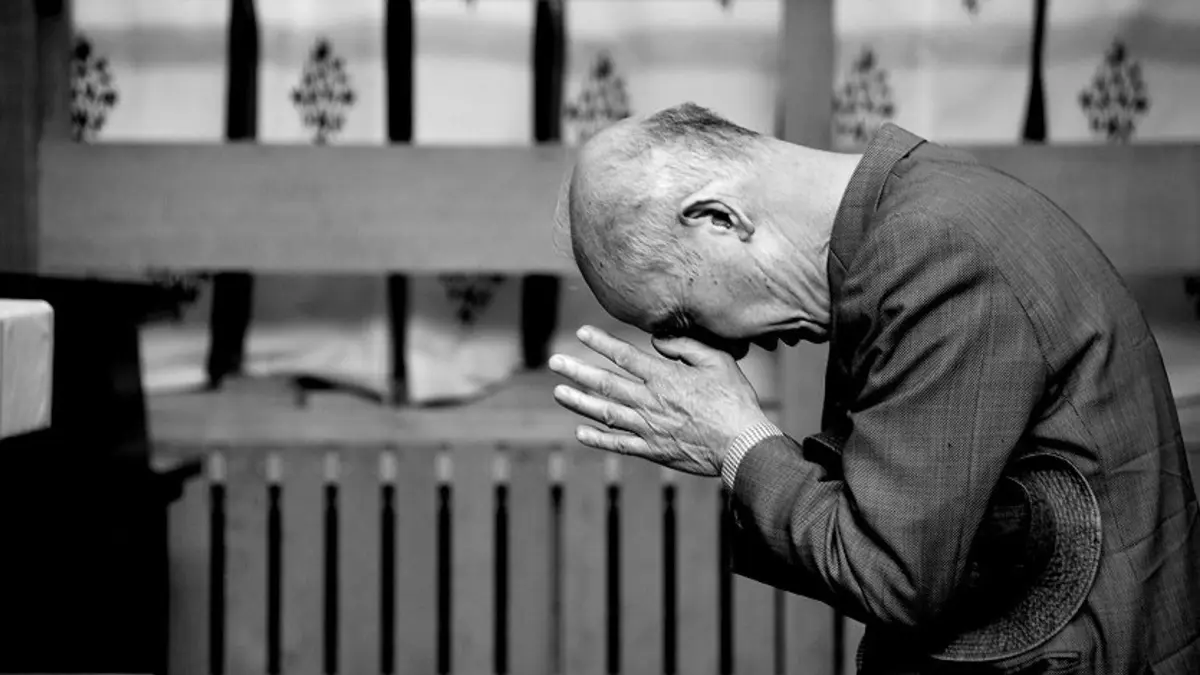
A kimono, uniform, craft demonstration, market stall or street performance may attract attention, but the person remains an individual. JNTO tells visitors not to photograph people in traditional attire without permission unless the event specifically designates them for photography.
Do not chase, block or repeatedly call to geiko or maiko. Kyoto’s current guidance specifically prohibits following them or taking unauthorized photos and warns that they may be on the way to an engagement. Choose an authorized performance or photo opportunity instead.
What to know
A ticketed event may limit photography to one moment
Admission to a play, concert, sports match, ceremony or demonstration is not automatic recording permission. The National Bunraku Theatre, for example, prohibits photography, audio recording and video during a performance.
A designated photo session creates only the permission announced by the organizer. Kyoto’s official IMAGINE NOH listing, for example, offers a photo opportunity after the show; that does not imply that the performance itself can be recorded. Follow the stated time, place, equipment and posting conditions.
What to know
Trains and cafes are shared spaces, not portrait studios
Close photographs of strangers can feel especially invasive where people cannot easily move away. JNTO identifies trains and cafes as places where photographing a stranger without asking is rude.
Operator rules can be stricter. JR East currently asks people not to photograph or record passengers or staff without permission in its facilities and trains. Keep identifiable riders, conductors, payment screens and private conversations out of the frame, and follow the exact railway’s instruction.
What to know
The person and the property both need checking
A subject’s yes does not override the shop, museum, restaurant, station, hotel, event or religious site. JNTO notes that restrictions are common and may ban all photography, allow still images but not video, or permit ordinary photography without flash.
Look for a sign at the entrance and again in each room. Ask staff before photographing workers, displays or other customers. A ticket, purchase or table reservation grants access under the property’s conditions; it is not automatic filming permission.
What to know
Airports can add security-sensitive boundaries
An airport’s public concourse is still managed property. Narita Airport prohibits photography of security-screening checkpoints, equipment and inspectors, and says permission from the responsible operator is required in controlled areas and in places such as check-in counters, shops and lounges.
Narita also tells visitors not to photograph airport employees without authorization and not to take pictures while walking, on roads or in car parks. Treat this as one facility’s current rule, not a national airport shortcut; follow the signs and staff at the airport you are using.
What to know
Homes and private streets are not scenery sets
Do not enter a driveway, courtyard, farm road, garden, apartment corridor or private lane for a cleaner angle. Avoid aiming through residential windows or lingering outside a home to wait for a person.
JNTO tells photographers not to intrude on private property, and Kyoto asks visitors to respect designated photography areas and residential life. A location visible from a public route can still contain people and private details that should not become the subject of a post.
What to know
Intimate or hidden photography is a criminal boundary
Never secretly photograph or record a person’s intimate body areas or underwear in or through clothing. Unless a facility has explicitly approved an arranged shoot and no unconsenting person is present, keep every camera off in toilets, changing rooms, fitting rooms, showers, baths and onsen. Never ask anyone under 18 to create or send a sexual image, and never pressure, trick or coerce an adult to do so.
The Act on Punishment of Taking Sexual Images, etc. covers specified secret capture; capture through assault, threats or circumstances that make refusal difficult; and capture obtained by deception about the sexual nature of the act. Without justifiable reason, it also covers sexual-image capture of a person under 16; for a 13- to 15-year-old, the Act’s special age rule applies when the photographer is at least five years older.
The photography offence carries up to three years of custodial punishment or a fine of up to three million yen. Other offences can still apply when that Act’s elements are not met; a sexual image of a person under 18 may also constitute child-pornography production under the separate child-protection statute.
Sharing can be a separate offence from taking. The national sexual-image law separately covers specified provision, public display, streaming and storage conduct, while posting identifiable private sexual imagery without the depicted person’s consent can also engage the Private Sexual Image Damage Prevention Act. Do not imply from this that every unauthorized ordinary portrait post is criminal; ordinary portrait and privacy disputes remain context-specific.
What to know
Distress and private moments call for the camera to go down
Do not turn an accident, illness, arrest, argument, funeral, evacuation or visibly distressed person into travel content. Keep routes open, protect dignity and alert staff or emergency services when help is needed.
If documentation is genuinely needed for your own safety, insurance or a report, record only what is necessary from a safe position and give it to the appropriate authority. Do not livestream a victim, reveal a medical condition or interfere with responders.
What to know
Do not follow, corner or pressure a refusal
A headshake, raised hand, turned face, step backward or request from a companion is a no. JNTO specifically asks photographers to notice those negative reactions. Lower the device and move on without demanding a reason.
Do not trail someone for another angle, block their path, touch them, call after them repeatedly or offer money after they declined. Repeated pursuit can turn a photograph request into fear or harassment.
Do not label every unwanted photograph “stalking” as a legal conclusion. Japan’s Stalker Regulation Act has specific elements, including a romantic or affectionate motive or resentment when those feelings are not returned, and stalking conduct generally involves repetition. Other civil claims, offences or local nuisance rules may still apply even when that statute does not.
What to know
Equipment must not create a safety problem
Selfie sticks, tripods, lighting and long microphones can strike people, block narrow routes or cross a safety boundary. JNTO says selfie sticks are prohibited in many busy places and warns that tripods obstruct narrow streets.
JR East prohibits tripods, ladders and step stools on platforms, stopping on tactile paving, leaning beyond platform barriers and using flash or lighting toward a moving train. These are operator-specific examples of a wider rule: no image is worth entering traffic, tracks or a restricted area.
What to know
Commercial and monetized work needs an advance check
A venue may distinguish personal hobby photography from advertising, sponsorship, client work, staged portraits and revenue-generating video. JR East’s March 2026 FAQ, for example, says its ordinary personal-hobby allowance excludes commercial activity such as posting to a revenue-generating video platform.
Contact the owner or operator before arrival, describe the crew, equipment, intended platform and dates, and obtain the required written approval. Obtain clear subject permission for the planned uses as well. A small phone or personal account does not guarantee that the activity remains ordinary sightseeing.
What to know
Recover promptly when someone objects
Stop recording, lower the camera and apologize. Do not film the disagreement. If staff say the location prohibits photography, follow the instruction and ask calmly whether the file must be deleted under the facility rule.
If an identifiable person asks you not to publish, do not post the image. If it is already online, remove it promptly or replace it with a version in which the person and private context are genuinely unidentifiable. Police guidance notes that a person whose identifiable image is posted without permission can request removal from the platform or provider.
What to know
Use short questions that separate each permission
“Shashin o totte mo ii desu ka?” asks whether you may take a photo. “SNS ni nosete mo ii desu ka?” asks whether you may post it on social media. Ask both when both actions are planned.
“Kao o kakushimasu” means “I will hide the face.” “Torimasen” means “I will not take it,” and “Sugu ni keshimasu” means “I will delete it right away.” A clear apology is “Sumimasen deshita.”
If that does not work
Use the fallback.
- If you cannot obtain a clear yes, do not make the person the subject.
- If the scene is crowded, wait, reframe or use a wide view in which people are not identifiable.
- If posting permission is unclear, keep the image private or crop and blur the person.
- If a child is present, choose another frame unless an arranged and clearly permitted portrait is involved.
- If a venue’s rule is unclear, lower the camera and ask staff before taking anything.
- If someone objects, stop, apologize and do not photograph the reaction.
- If a photo is already online and the person objects, remove it promptly rather than arguing publicly.
Before you need it
Save this offline.
- Shashin o totte mo ii desu ka? = May I take a photo?
- SNS ni nosete mo ii desu ka? = May I post it on social media?
- Kao o kakushimasu = I will hide the face
- Torimasen = I will not take it
- Sugu ni keshimasu = I will delete it right away
- No clear yes = no portrait
- Person permission and property permission are separate checks
Primary evidence
Official sources used
Open these pages again before travel. External links lead to the responsible Japanese authority or transport organization.