
Before you book
Make these decisions in order.
- 01
Choose the actual craft package before comparing the price; the four projects are not interchangeable.
- 02
Confirm the number, size and materials of the finished items, plus every inclusion, on the selected package screen.
- 03
Save the exact address and navigate to Tsukuba Express Asakusa, Inaricho or Tawaramachi rather than assuming every Asakusa station is equally close.
- 04
Request written confirmation before payment if continuous English instruction, child participation, step-free access, seated work or an allergy accommodation is essential.
- 05
Read the selected date’s cancellation, confirmation, late-arrival and no-show rules, then save the final voucher offline.
What to know
Match Klook activity 98017 to Seikyodo before booking
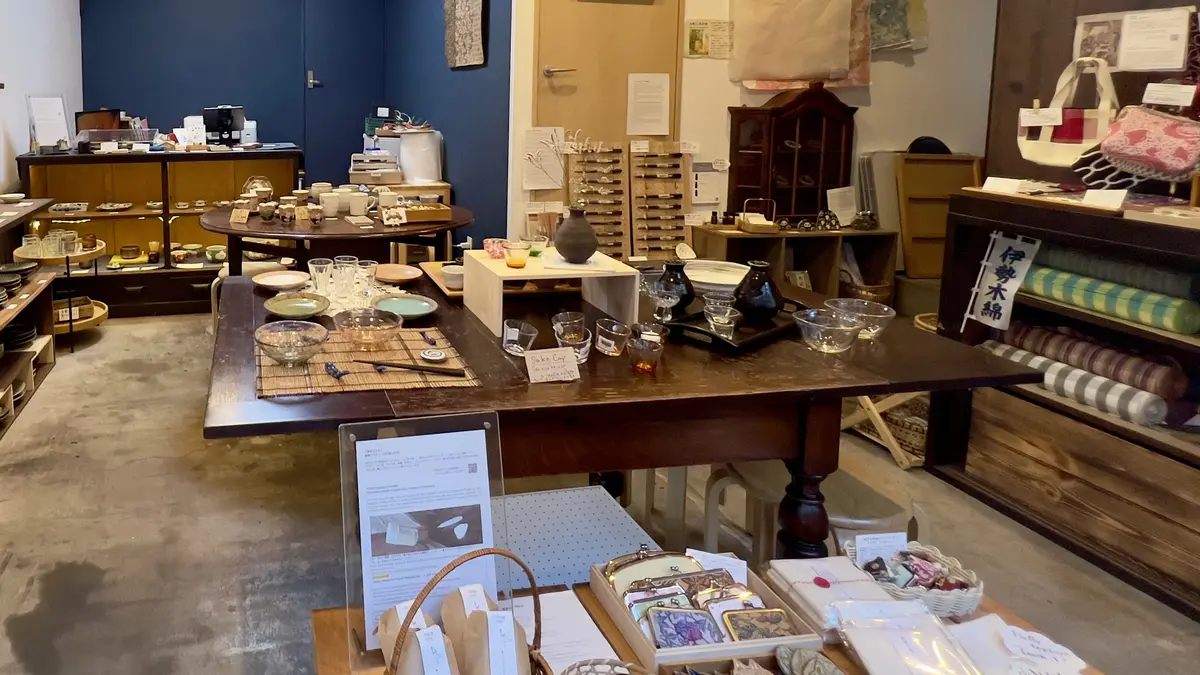
Klook’s current activity 98017 is titled “Traditional Japanese Crafts Making Experience in Tokyo.” The named venue is Pottery & Crafts Shop Seikyodo, while the venue’s own English page uses the fuller name Seikyodo Asakusa Tableware and Traditional Craft Store. Its published address is Shoeisou #101, 2-27-3 Matsugaya, Taito-ku.
That match matters because a broad title can be mistaken for a multi-craft studio elsewhere in Tokyo. This is a small shop in the Kappabashi area, one block from Kappabashi Utensils Street and within walking distance of central Asakusa. It is not a hotel-pickup tour, craft village or market walk.
Check that the final voucher still names Seikyodo and the same Matsugaya address. If the marketplace map, package details and voucher disagree, resolve the difference with Klook before travel.
What to know
The four package types are four different decisions
The live Klook page currently presents four package names: Postcards Made with Ise Katagami Paper, Mizuhiki-style Money Envelope, Mizuhiki Bookmark, and Make a Clasp Purse Using Traditional Japanese Fabric. The common one-hour activity page does not mean one booking lets you choose freely after arrival.
Start with the object you want to take away. The postcard option focuses on stencil dyeing; the envelope and bookmark focus on decorative cord knots; the clasp purse uses traditional Japanese fabric and handmade washi without sewing. Each develops a different skill and produces a different kind of souvenir.
Photographs across the shared activity gallery may show projects from packages you have not selected. Read the active package title, inclusions and quantity before paying rather than assuming every pictured material is available.
- Choose postcards for colour, pattern and a direct connection to kimono-dyeing tools.
- Choose the money envelope for learning formal decorative-knot forms on a gift object.
- Choose the bookmark for a compact, easy-to-pack cord project.
- Choose the clasp purse for a functional fabric-and-washi accessory.
What to know
The Ise Katagami package is stencil dyeing—not stencil carving
Klook says the postcard session uses a katagami stencil designed by craftsperson Chiaki Imasaka. You apply the provided stencil in a postcard-dyeing project. The listing does not say that participants cut or carve the stencil itself.
That distinction protects expectations. The Traditional Craft Industries Promotion Association describes Ise Katagami as a craft tool used to dye patterns for kimono, yukata and komon. Making the stencil base involves laminated handmade paper strengthened with persimmon tannin, while the pattern can be carved through demanding drill, tool, thrust, pull or stripe-cutting techniques.
The association notes that especially fine drill-carved work can place as many as 900 circles in a three-centimetre square. A one-hour visitor activity using an artisan-designed stencil is an introduction to the stencil’s purpose and pattern, not compressed training in that specialist carving process.
What to know
Choose the Mizuhiki envelope for knot forms with ceremonial context
The money-envelope package centres on Mizuhiki, the decorative cord associated with gifts and celebratory envelopes. Klook’s description specifically names the Awaji and Ume knot forms and says participants use preferred washi paper for the envelope.
This is the better fit when the technique and the finished presentation object matter equally. It also gives travelers a reason to ask what the knot communicates before using the envelope, because decorative conventions can vary by occasion.
The public package summary does not publish the envelope’s final dimensions, the number of cords or papers available, or whether every colour can be selected on every date. Confirm those details if the finished appearance is the reason you are booking.
What to know
Choose the Mizuhiki bookmark for the most portable project
Klook’s bookmark package uses Mizuhiki techniques and currently mentions Awaji, Ume and rabbit-themed forms in the general description. A bookmark is easier to pack than a dimensional display object and can suit a traveler who wants knot work without making a formal money envelope.
Do not assume every example design in the gallery is available for the session you select. Ask whether the design, colour and number of bookmarks are chosen on arrival or assigned by the package.
This may look like the simplest option, but fine cord work still requires hand dexterity and close visual attention. Anyone who needs extra time or physical assistance should confirm that the joined one-hour format can support it.
What to know
Choose the clasp purse when a functional souvenir matters most
The clasp-purse package is presented as a no-sew project using traditional Japanese textiles and handmade washi. Klook describes mini clasp purses and coin cases suitable for small accessories.
No sewing does not mean every construction step is effortless or that glue, tools and preassembled parts are identical across sessions. The public page does not specify the finished dimensions, fabric catalogue, paper choice, closure type or number of items included.
Confirm what one participant completes and whether the finished piece can be carried immediately. If a material sensitivity matters, ask about adhesives, dyes and other substances used rather than relying only on the visible fabric.
What to know
One hour is a compact introduction, not mastery
Klook publishes a one-hour duration for the joined activity. That hour must cover check-in, explanation, material selection, guided making and finishing. It is well suited to a traveler who wants a defined indoor stop, but it cannot reproduce the time, repetition and specialist training behind the original crafts.
Book for the experience of handling a technique and creating a small keepsake. Do not describe the result as artisan certification, professional craft training or a handmade example of every production stage.
The start time matters in a short group session. Arrive 10–15 minutes early unless the voucher gives a different instruction, and do not assume a late arrival can receive a private restart.
What to know
The venue is in Matsugaya beside Kappabashi—not beside every Asakusa exit
Seikyodo’s own access page places the shop in the backstreets of Kappabashi Hondori, one block from Kappabashi Utensils Street. It publishes a seven-minute walk from Asakusa Station on the Tsukuba Express and a ten-minute walk from Inaricho Station on the Tokyo Metro Ginza Line. Tawaramachi Station is also listed as a nearby station.
“Asakusa Station” is ambiguous. The Tsukuba Express station is separate from the Tokyo Metro Ginza Line, Toei Asakusa Line and Tobu station complex closer to the river. A route that merely says Asakusa can leave you at a different set of exits and create a longer street walk.
Save the Japanese address, building name Shoeisou and room number 101. Use the exact rail operator and station in your navigation app, then compare the final voucher pin with the shop’s own access page.
Compare the selected package
Check live packages and the total price for your date.
Use the same date, guests and included services when comparing Klook with the operator’s official page or direct booking option. Choose the better complete price, change, late-arrival and cancellation terms for your trip.
Compare activity 98017 craft packages on Klook↗Check Seikyodo’s shop details and closure calendar ↗Non-affiliate link
Paid link. Commercial details checked July 26, 2026; availability and terms can change.What to know
Shop opening hours do not replace your reserved start time
The operator publishes shop hours of 11:00–18:00 and irregular holidays, with a calendar used for closures. Those are the retail shop’s public hours, not permission to attend a workshop at any point in that window.
Your selected session and final voucher control when the workshop begins. A date shown as bookable on a marketplace should still be checked against the confirmation Klook sends, especially around irregular shop holidays.
If you plan to browse the shop before or after making, allow separate time. The shop carries ceramics, glass, bamboo work, textiles and other objects selected through the owner’s reporting on craftspeople across Japan.
What to know
English is listed, but the operator describes it as limited
Klook labels the activity English/Japanese. Seikyodo’s own English page says the owner welcomes visitors with limited English-language skill. These statements can coexist: a visual, step-by-step craft can be supported in English without providing fluent, continuous interpretation for every technical or accessibility question.
Travelers comfortable following demonstrations may find that sufficient. Anyone who needs detailed spoken explanation, sign-language access, a support person or repeated interpretation should ask Klook to confirm the actual instructor and support for the selected session.
Save written answers with the booking. A platform language badge should not be treated as a guarantee that every instructor, label and safety explanation is available at the same level of English.
What to know
Age, accessibility and assistance need written confirmation
The public Klook overview available during this review does not expose a dependable minimum age, child-ticket rule, maximum group size, wheelchair route, accessible restroom or policy for a companion. The operator’s shop page also does not publish workshop-specific accessibility details.
Before payment, ask whether the entrance and workshop table are step-free, whether work can be completed seated, whether a wheelchair fits at the station, and whether a helper needs a paid place. The fact that the shop is room 101 does not by itself prove a step-free route.
Families should confirm the minimum age, whether a child shares materials, and whether one adult can assist while completing their own project. Fine knots, colouring tools and adhesives can make suitability different across the four packages.
What to know
Materials, take-home timing and allergies vary by project
The activity is marketed around making a finished souvenir, but the public package page does not provide a complete material list, finished-item quantity, dimensions or drying and transport instructions for every option.
Ask whether the item leaves with you immediately, how it should be protected in a bag and whether moisture, pressure or bending could damage it. Postcards, cord work and a framed clasp purse need different handling.
For skin, respiratory or contact sensitivities, request the names of dyes, ink, adhesives and cleaning materials used in the selected project. “Traditional material” is not an allergen or safety specification.
What to know
Photography is not automatically commercial filming permission
Neither the public activity summary nor Seikyodo’s shop page publishes a complete workshop photography policy. Ask before photographing the instructor, other guests, work surfaces or shop displays.
Creators should disclose a tripod, light, microphone, live stream, monetized channel or commercial use in advance. A marketplace ticket buys participation; it does not automatically provide a location release, interview consent or exclusive access to the compact shop.
A phone used briefly at your own seat is easier to accommodate than a production setup, but permission still belongs to the venue and identifiable people.
What to know
Cancellation and inclusions must be checked after package selection
The public Klook page requires an experience date and package choice before the complete booking flow. On July 26, 2026, its accessible overview did not provide a stable, package-wide cancellation cutoff, no-show rule, child definition or exhaustive inclusions that should be copied as a permanent promise.
Select the real date and project, then inspect confirmation timing, cancellation in Japan time, rescheduling, minimum participation, materials, taxes and what happens if the operator cancels. Save that screen and the issued voucher.
Do not borrow conditions from another Klook craft activity, a review or a secondary reseller. The selected package and order terms for activity 98017 control your purchase.
What to know
Build it into an Asakusa and Kappabashi day
The workshop’s strongest itinerary advantage is location. Seikyodo says it is one block from Kappabashi Utensils Street and within walking distance of Sensoji Temple and the Kaminarimon area. It can turn a retail and temple day into a hands-on stop without crossing Tokyo.
Do not make the connection too tight. Kappabashi stores keep individual hours, central Asakusa becomes crowded, and the correct station depends on where the rest of your day begins. Leave a buffer before the reserved workshop rather than browsing until the final minute.
If shopping for knives or breakable tableware, plan how you will carry purchases while working. A small shop and shared table are poor places for large luggage; use station storage or your accommodation when necessary.
What to know
Final booking sequence
First, choose the object: stencil-dyed postcards, a Mizuhiki money envelope, a Mizuhiki bookmark or a clasp purse. Second, check the selected package’s exact finished quantity, materials, language, age, accessibility, inclusions and cancellation rules.
After confirmation, save the Matsugaya address, Shoeisou #101, venue contact and final start time. Navigate with the exact operator—Tsukuba Express Asakusa or Tokyo Metro Inaricho—rather than a generic Asakusa search.
Arrive early, ask before filming and follow the instructor’s handling and take-home directions. Packages and terms can change after this July 26, 2026 review, so reopen the order before travel.
Compare a related booking
Tokyo Sushi-Making Class in Shinbashi: Nigiri or Temari?
Compare a one-hour craft keepsake in Kappabashi with a 90-minute hands-on sushi class in Shinbashi when deciding between an object-making and food-making activity.
A good fit
Put it on your list if...
- Travelers who want a small craft souvenir they helped make
- Visitors combining Kappabashi shopping with central Asakusa
- Beginners choosing a defined one-hour indoor activity
- Couples, friends and solo travelers comfortable in a joined workshop
- Creators who obtain filming permission before arriving
Think twice
Skip or reconsider if...
- Travelers expecting to carve an Ise Katagami stencil from raw paper
- Anyone who has not chosen among the four materially different packages
- Guests needing fluent continuous English without written confirmation
- Families or mobility-impaired travelers without confirmed participation and access details
- Visitors carrying large luggage or arriving at an unspecified Asakusa station just before the start
Booking option
Check the current ticket before paying.
The paid link opens Klook’s English activity 98017 page in USD without fixing a visit date, package or participant count. Select the actual craft before comparing the final price and terms.
- Choose postcards, money envelope, bookmark or clasp purse before checkout.
- Verify the finished quantity, materials and every inclusion on the active package.
- Confirm child eligibility, accessibility, language support and assistance in writing when needed.
- Read the selected date’s confirmation, cancellation, late-arrival and no-show rules.
- Save the final Seikyodo address, start time and voucher offline.
Evidence and commercial terms
Sources checked
Government and operator or venue pages establish rules and practical details. Booking-service pages are commercial sources for the package and checkout terms only. Open the relevant sources again before travel.