Before you book
Make these decisions in order.
- 01
Choose the room from its floor area, bed width and real guest count—not from the cheapest card alone.
- 02
If traveling with a child, resolve Klook’s child-policy conflict with the property and booking service before paying.
- 03
Compare the same dates, guests, room, breakfast, cancellation deadline, payment timing and Tokyo accommodation tax on Klook and the official site.
- 04
Save the Yaesu Central Exit and Yaechika Exit 26 walking route before entering Tokyo Station.
- 05
Use the same-day guest lockers for arrival or departure luggage, but arrange another service for multi-day storage.
What to know
The real value is Tokyo Station logistics
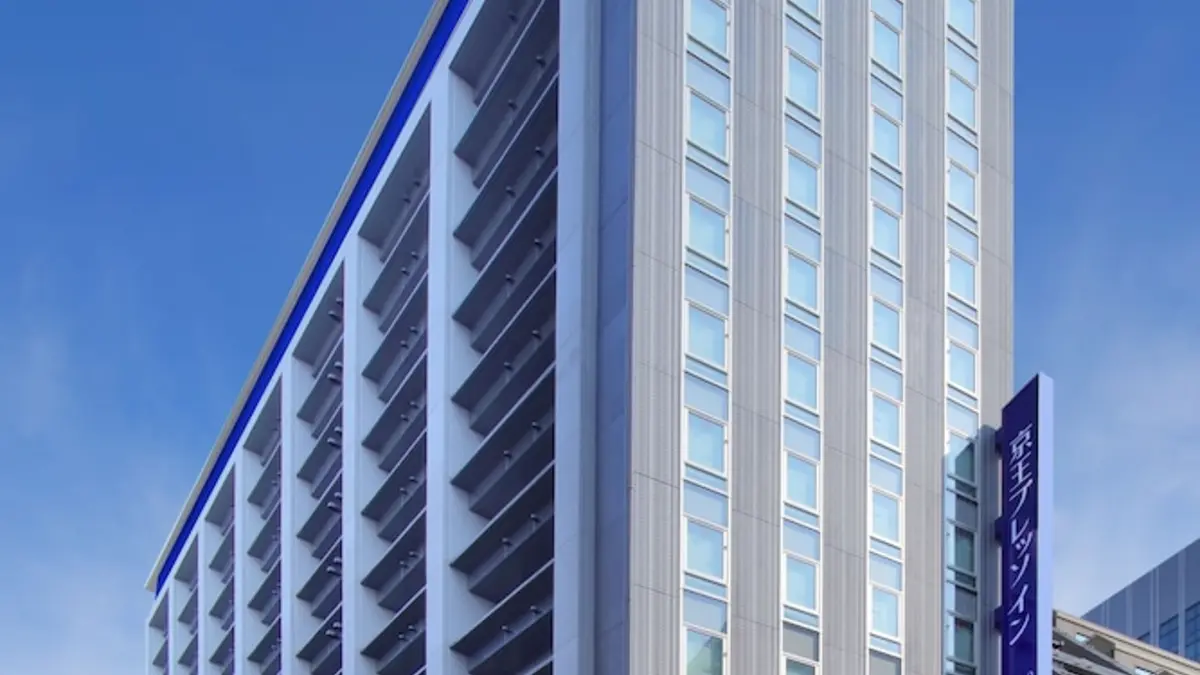
The hotel is in Kyobashi on the Yaesu side of Tokyo Station, not inside the station and not on the Marunouchi or Imperial Palace side. The operator lists a three-minute walk from the Yaesu Central Exit, two minutes from Kyobashi Station Exit 8 on the Tokyo Metro Ginza Line and six minutes from Takaracho Station Exit A5 on the Toei Asakusa Line.
That position is most valuable for an early Tokaido Shinkansen, a late intercity arrival, shopping around Yaesu and Nihonbashi, or walking toward Ginza. It can also simplify the first or final Tokyo night of a multi-city trip because the suitcase does not need another local-train transfer.
Location is not the same as a resort experience. Choose the hotel because the transport pattern fits, not because the word “Tokyo Station” guarantees a view, a station-connected entrance or a large room.
What to know
A three-minute walk does not begin at every train platform
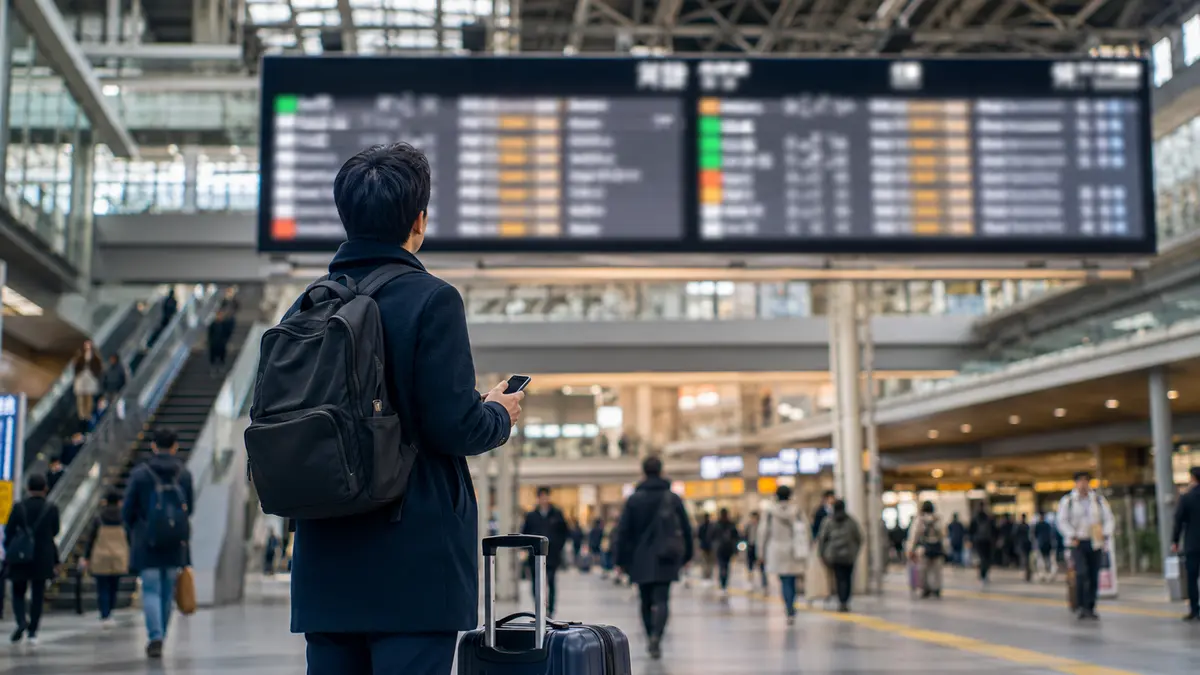
Tokyo Station contains multiple above-ground and underground levels, Shinkansen zones, conventional JR platforms and long east-west corridors. The hotel’s three-minute figure begins at the Yaesu Central Exit, not at the moment your train doors open.
Build extra transfer time for leaving the platform, finding the correct Yaesu side, using lifts with luggage and crossing the underground mall. A traveler arriving on a deep or distant platform can spend materially longer inside the station than on the final street segment.
For an early departure, check the actual platform area and gate opening rather than subtracting three minutes from the train time. The hotel removes a local connection; it does not remove station navigation or boarding deadlines.
What to know
Use Yaesu Central Exit and Yaechika Exit 26
The hotel’s current step-by-step access guide starts at JR Tokyo Station’s Yaesu Central Exit, descends into Yaesu Chikagai—usually called Yaechika—then follows the Main Avenue toward Exit 26. After reaching street level, the route continues along Yanagi-dori to the property.
Save the hotel name and address in Japanese as well as the map pin. Station signs may send travelers to several different Yaesu exits, and an incorrect exit can add road crossings or an unnecessary loop around the station.
Kyobashi Station Exit 8 is the shorter published Metro approach. Takaracho Exit A5 can be useful on the Asakusa Line, but the best route depends on step-free access, live train service and the luggage you are carrying.
What to know
The 12 m² Single is the cleanest solo decision
The Comfort Single is 12 m² with one 1,400 × 1,950 mm bed and official capacity for one guest. It is the most straightforward choice for a solo traveler who wants Tokyo Station access and expects to spend most of the day outside.
Twelve square metres is compact. Before booking, inspect the current room-plan photographs and decide where a full-size suitcase will open. Travelers working long hours from the room, carrying production equipment or expecting a separate lounge area should choose more space.
The hotel announced new original pocket-coil mattresses throughout the property on June 30, 2026. That is a current equipment update, not a guarantee of personal comfort or sleep quality.
What to know
The 12 m² Double can be tight for two
The Comfort Double uses the same 12 m² floor area and the same 1,400 × 1,950 mm bed, but its official capacity is two. It can reduce the price for a couple prioritizing location, yet adding a second person does not add luggage space.
Two cabin bags are easier than two large checked suitcases. Compare the Double against the Twin by total stay price, not nightly headline price alone; a small premium may materially improve packing, circulation and sleep.
Confirm that the selected rate actually says Comfort Double and lists two registered guests. A room name, bed label and occupancy are separate booking fields, and automatic translations can blur them.
What to know
The 20 m² Twin is the practical two-person upgrade
The Comfort Twin is 20 m² with two 1,220 × 1,950 mm beds and capacity for one or two guests. The hotel describes it for friends and parent-child travel, making it the clearest option when separate beds or suitcase space matters.
The additional eight square metres is meaningful in a compact Tokyo business hotel. It can be more useful than paying for breakfast or a flexible view description that does not change the room layout.
Inventory and price vary by date. Compare the same Twin plan on both booking channels and confirm smoking status, breakfast, cancellation, taxes and whether the room shown is the exact booked category.
What to know
The Universal Twin is larger, but confirm accessibility
The official Universal Twin is 28 m² with two 1,220 × 1,950 mm beds and stated capacity for one to four guests. For four people, the hotel adds one extra bed and one folding simplified bed; four guests do not receive four permanent twin beds.
The property describes this room as usable by wheelchair guests, but a category label is not enough for a specific access need. Ask for door widths, turning space, bath and toilet layout, bed clearance, emergency arrangements and the step-free route from the chosen station exit.
Travelers booking for three or four should get the final bed arrangement and occupancy confirmed in writing. A reseller card may omit the distinction between permanent, extra and folding beds.
What to know
Families must resolve a current booking conflict
Klook’s English property page currently states that children are not allowed. That conflicts with the hotel’s own room page, which promotes the Comfort Twin for parent-child travel, and its breakfast page, which says bed-sharing children aged nine and under eat breakfast free.
Do not reinterpret either statement on the hotel’s behalf. The conflict may reflect a Klook inventory rule, a rate-specific occupancy restriction or incorrect reseller content; the public pages do not establish which explanation is correct.
Before paying through Klook, enter every child’s real age and contact both Klook and the hotel with the exact room and dates. Ask whether the child may stay, whether a bed is included, whether breakfast is charged and what occupancy appears on the voucher. If the answer remains unclear, use a booking channel whose checkout accepts the actual family composition and obtain written confirmation.
What to know
Breakfast works for an early start, but price it correctly
The hotel’s breakfast buffet operates from 06:30 to 09:30, with last entry at 09:15, and currently costs ¥1,800 including tax. Bed-sharing children aged nine and under are listed as free for breakfast.
The official page shows examples including meat dishes, curry, rice, bread, salad and drinks, but menus and ingredient availability can change. It also says the room television can display breakfast crowd information and that coffee may be taken out.
Compare a breakfast-included rate with room-only plus ¥1,800 for each chargeable guest. If the Shinkansen departs before breakfast becomes useful, paying for the meal can cancel part of the hotel’s location advantage.
Compare the same stay
Check live rooms and the total price for your dates.
Use the same dates, guests, room and meals when comparing Klook with the hotel’s direct booking site. Choose the better complete price, payment timing and cancellation terms for your trip.
Check Keio Presso Inn Tokyo Station Yaesu rooms on Klook↗Compare the hotel’s official room plans ↗Non-affiliate link
Paid link. Commercial details checked July 26, 2026; availability and terms can change.What to know
Check-in, checkout and payment are designed to be quick
The hotel’s standard check-in starts at 15:00 and checkout is 11:00. Self check-in machines are available with staff support, and checkout can be completed by returning the room key.
The property lists major cards, transport IC, iD and multiple QR or mobile payment methods including Apple Pay, Google Pay, PayPay, Alipay and WeChat Pay. This list does not establish which method a particular online rate uses or whether the same instrument is accepted for every deposit, tax or onsite purchase.
Read the selected plan for prepayment, card authorization, arrival deadline and cancellation. Tell the hotel in advance when a delayed flight or train could produce a very late arrival; a published reception service is not permission to ignore the booking’s arrival terms.
What to know
Guest lockers solve same-day luggage, not every storage problem
The hotel provides self-service lockers for registered guests before check-in and after checkout. If a locker is unavailable, the property says front-desk staff can hold luggage.
The operator’s locker rules frame the service around the check-in and checkout day. Do not assume it covers an overnight side trip, luggage sent days ahead, valuables, unusually large sports equipment or unclaimed bags.
For a Kyoto side trip or multi-day storage, use a confirmed luggage service or station facility instead. Keep medicine, documents, batteries and anything needed for the day out of stored luggage.
What to know
Long stays have cleaning once every three days
For stays of two nights or more, the hotel’s current policy schedules room cleaning once every three days. On the other days, it provides a towel change rather than full housekeeping.
This can suit travelers who prefer privacy, but it matters if the room is being used for remote work, several suitcases or a longer stay. Ask the property about additional cleaning, linen changes and any fee or request deadline before relying on daily service.
Paid coin laundry, a microwave, ice machine and vending machines are listed among the building facilities. These help a practical stay but do not make the 12 m² rooms larger or provide a kitchenette.
What to know
Security and in-room equipment are practical, not luxurious
The official facility page lists entrance and lift security, free Wi-Fi, individual air conditioning, a refrigerator, smart television and washlet toilet. Paid coin laundry, dry cleaning, delivery and massage services are also listed.
Check the exact room page for any feature essential to work or production. “Free Wi-Fi” does not promise upload speed, latency, a wired connection or the ability to support a large video workflow.
The property is a compact business hotel. Travelers prioritizing a gym, spa, club lounge, full-service restaurant or broad in-room workspace should compare another hotel before committing to the location.
What to know
There is no guest parking at the hotel
The official access page states that the hotel does not have parking. Driving visitors must find a separate public car park and verify its vehicle size, overnight hours, maximum charge and re-entry conditions.
Central Tokyo parking can materially change the total cost, and the hotel’s chief advantage is rail access. A rental car usually adds less value here than at a regional property.
If arriving by taxi, show the Kyobashi address and hotel name rather than saying only “Tokyo Station hotel.” Several properties use Tokyo Station in their English names or descriptions.
What to know
Tokyo accommodation tax may be separate
For a stay during 2026, the Tokyo Metropolitan Government’s accommodation tax is calculated per person per night on the room-only charge: no tax below ¥10,000, ¥100 from ¥10,000 to under ¥15,000 and ¥200 from ¥15,000. Meals, consumption tax and some separately stated service charges are excluded from that taxable room amount under the authority’s rules.
A platform’s generic city-tax warning is not a reliable calculation. Inspect the final price breakdown and ask whether Tokyo accommodation tax is prepaid or collected at the property.
Tokyo has announced a revised system from April 1, 2027, so travelers booking a later stay must check the authority’s current threshold and rate again rather than applying the 2026 amounts.
What to know
Compare Klook and direct booking line by line
Open Klook’s English page and the hotel’s official booking path with the same dates and all guests entered. Match the exact room name, bed type, occupancy, breakfast, payment date, cancellation deadline and tax treatment.
Klook can be useful when its final USD price and policy are clearer for the traveler. Direct booking can be the safer route when official room inventory, family occupancy or a property-specific request matters more than the platform price.
Do not compare a non-refundable Double with a flexible Twin or a room-only plan with breakfast included. Keep screenshots of the final room label, guests, policy and total, especially if a child-policy conflict has been resolved through support.
What to know
Final booking sequence
First, decide whether the Yaesu location shortens a real transfer in the itinerary. Next, choose 12, 20 or 28 m² from the number of travelers, bed arrangement, luggage and access needs.
Resolve every child or accessibility question in writing. Then compare the identical Klook and direct plan, including breakfast, Tokyo tax, payment and cancellation.
Save the Yaesu Central Exit and Yaechika Exit 26 route, tell the hotel about late arrival, and keep the booking reference accessible. Use the guest locker only for the confirmed same-day window.
Compare a related booking
Four Seasons Hotel Tokyo at Otemachi Guide: Rooms, Views and Booking
Compare Keio Presso Inn’s compact Yaesu rooms and practical Shinkansen access with Four Seasons Otemachi’s far higher price, larger rooms, skyline facilities and Marunouchi-side business-district location.
A good fit
Put it on your list if...
- Travelers taking an early Tokaido Shinkansen
- A first or final Tokyo night with an intercity rail connection
- Solo travelers comfortable in a 12 m² business-hotel room
- Couples or friends who can book the 20 m² Twin
- Visitors focusing on Yaesu, Nihonbashi, Kyobashi and Ginza
Think twice
Skip or reconsider if...
- Families whose child eligibility has not been confirmed
- Two travelers with large luggage choosing the 12 m² Double
- Guests expecting a station-connected entrance or station view
- Travelers prioritizing Shinjuku or Shibuya nightlife
- Drivers who need onsite parking
- Guests requiring a gym, spa or full-service luxury facilities
Booking option
Check the current room and rate terms before paying.
The paid link opens Klook’s English hotel 419921 page in USD without fixed dates or guests. Its current child statement conflicts with official property information; families should resolve the exact room and occupancy before paying.
- Enter every guest and the real age of each child before comparing availability.
- Confirm the exact room, floor area, bed arrangement, smoking status and occupancy.
- Check breakfast for every guest and the plan-specific cancellation deadline.
- Verify whether Tokyo accommodation tax is included or collected at the hotel.
- Keep written confirmation when support resolves the child-policy conflict.
Evidence and commercial terms
Sources checked
Government and property pages establish rules and practical details. Booking-service pages are commercial sources for the package and checkout terms only. Open the relevant sources again before travel.