Do this now
Follow these steps in order.
- 01
Reserve a cancellable Kawagoe or Tokyo-area stay, but wait for the official 2026 timetable before attaching a tight train or restaurant booking to a specific procession.
- 02
Use rail: Hon-Kawagoe is the closest practical station to the warehouse district, while Kawagoe Station has direct access from Ikebukuro, Shibuya and JR routes.
- 03
Choose free street viewing or apply immediately for a paid Resona Coedo Terrace session; do not assume a nearly full session remains available.
- 04
Recheck the official festival site for the final schedule, traffic map, rain decisions, bus changes and crowd instructions during the week of the event.
What to know
Why Kawagoe Festival is worth a trip from Tokyo
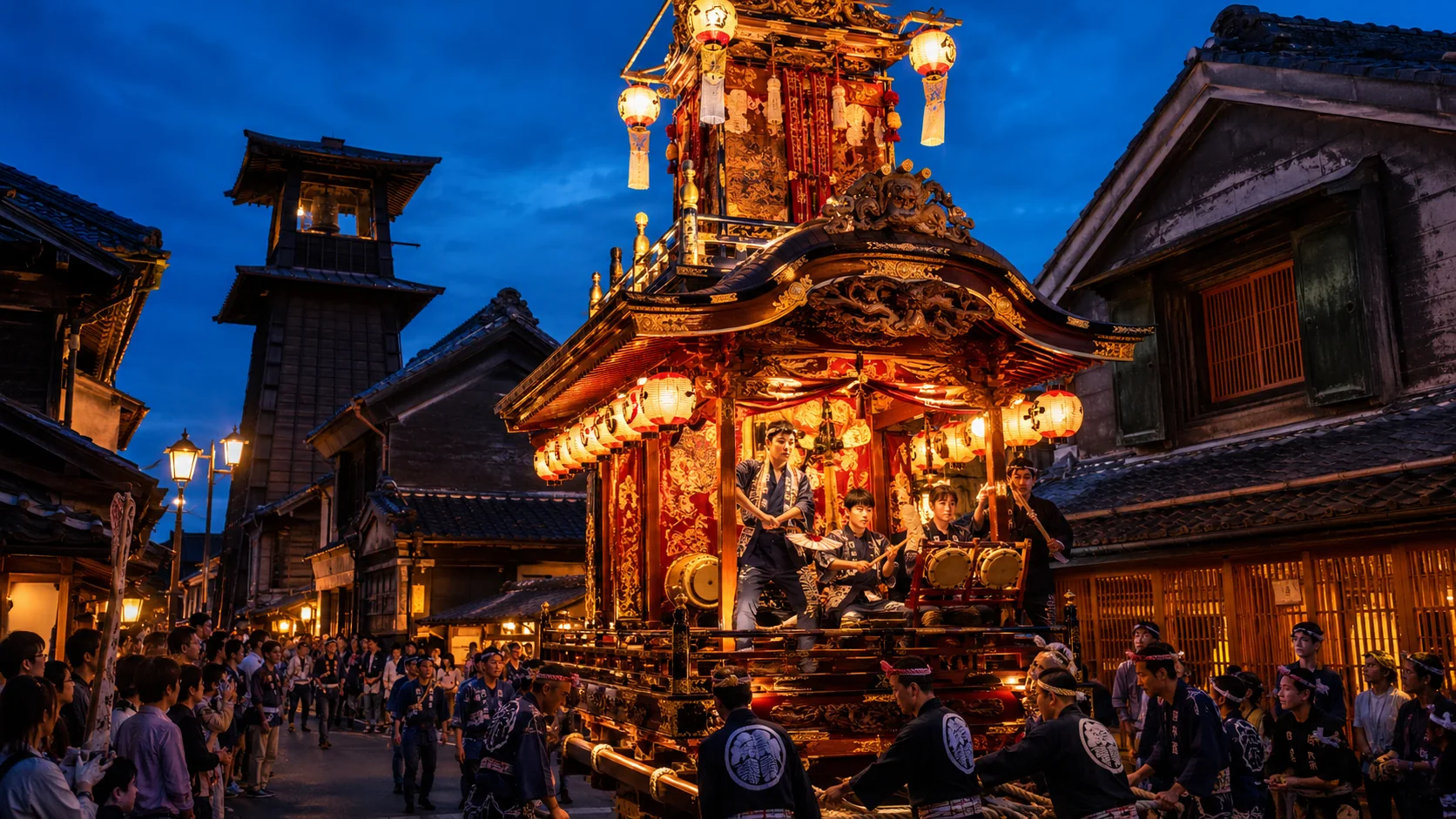
Kawagoe Festival brings ornate dashi floats into the kura warehouse streets of the old merchant district. The official festival committee traces the event to the Hikawa Shrine festival tradition and highlights hikkawase, the musical greeting performed when floats face one another and their hayashi ensembles compete in the street.
The 2026 tourism-association page says 26 floats are scheduled to participate, making this a particularly large edition. The strongest visual atmosphere usually comes after dark when lanterns, rotating float stages and the old streets share the same frame, but the exact 2026 public procession sequence and times were not yet published on September 1.
This is a living neighborhood and shrine festival, not an arena show. Streets remain important to residents, shops, emergency access and the movement of floats. Build the visit around one part of the historic district and follow police and steward directions rather than trying to intercept every float.
What to know
Confirmed 2026 dates—and what is still unannounced
The official festival site confirms Saturday, October 17 and Sunday, October 18, 2026. The central venue is the historic Kawagoe district around Ichibangai, the bell tower streets, Kawagoe Hikawa Shrine and the city-center float routes.
As of the September 1 review, the organizer had not published the complete 2026 public timetable, individual float route and passage times, detailed ceremony schedule, English event pamphlet or final traffic-control map. Do not copy the 2025 schedule into a 2026 itinerary even though the festival follows familiar annual patterns.
Optional Resona Coedo Terrace viewing sessions provide the only confirmed public times currently used in this guide: 12:00–15:30 and 17:30–21:00 on both days. Those are reservation-session times at one private viewing site, not a claim that every festival activity starts or ends with them.
What to know
Venue and nearest stations
Hon-Kawagoe Station on the Seibu Shinjuku Line is the closest practical rail gateway to the warehouse district. The official paid-seat page puts Resona Coedo Terrace at 4-1 Saiwaicho, about a 12-minute walk from Hon-Kawagoe Station's East Exit under normal conditions. The broader festival area extends beyond that building.
Kawagoe Station, served by the Tobu Tojo and JR Kawagoe lines, is farther south but has strong direct access. Official tourism guidance lists trains from Ikebukuro in as little as 26 minutes, from Shibuya in about 45 minutes and from Shinjuku by JR in about 50 minutes. Seibu's limited express reaches Hon-Kawagoe from Seibu-Shinjuku in as little as 44 minutes.
Allow substantially more walking and station time during the festival. Local sightseeing buses may be suspended or diverted, and the tourism association says selected rail-and-bus discount passes are not sold on festival dates. Save a walking route from both stations and choose the one that best matches the side of the festival district you plan to enter.
What to know
General admission and optional paid viewing
The official 2026 festival pages reviewed do not publish a general admission ticket, street-viewing reservation, application deadline or sellout condition for the public festival area. Treat ordinary viewing as free, unreserved public access subject to crowd and safety controls. Food, transport, museum entry and private viewing products cost extra.
Resona Coedo Terrace offers optional advance-reservation packages beside Ichibangai. Prices combine a table or room charge with a per-person food-and-drink charge. The first-floor outdoor terrace costs a ¥33,000 table charge at lunch or ¥55,000 at night, plus ¥16,500 per person. The second-floor terrace and private former president's room cost a ¥55,000 charge at lunch or ¥110,000 at night, plus ¥27,500 per person. All prices are tax-inclusive and include food and free-flow drinks, including alcohol.
These are premium hospitality packages, not necessary tickets for the festival. A traveler choosing free street viewing should not buy one simply to enter Kawagoe. A traveler who values a controlled base, seating and food should compare the total group price, outdoor exposure and sightline before applying.
What to know
Reservation deadline, payment and sellout conditions
Applications use the seller's Google form linked from the official tourism-association page. After the request, the seller checks capacity and emails a provisional reservation or a full notice. Payment is due by bank transfer within one week of the provisional email; the booking is confirmed only after payment is verified.
The tourism-association availability notice reviewed September 1 listed the October 17 evening first-floor outdoor terrace and former president's room as full. It listed only a few places for the October 17 evening second-floor terrace and the October 18 afternoon and evening second-floor terrace sessions. Availability can change after publication, so open the current form before planning around a seat.
The seller states that cancellations and refunds are not available from Monday, September 21, 2026. Before transferring money, read the current form and flyer for outdoor-weather exposure, seating, child, dietary, alcohol and refund conditions. A submitted form does not by itself secure inventory.
What to know
Crowds, transport restrictions and a practical day plan
Kawagoe's central streets are narrow, and 26 scheduled floats will require substantial managed movement. The city has announced that traffic restrictions will accompany the festival, but the final 2026 closure map and exact windows were not yet published in the reviewed official sources. Do not drive toward Ichibangai or trust an ordinary navigation route through the center.
A practical plan is to arrive by late morning, walk from the chosen station, identify one broad viewing area, take a meal or museum break before the evening crowd, then return to a station before the final useful train becomes the only option. If your priority is hikkawase after dark, preserve energy and phone power rather than standing in the busiest street all afternoon.
Set a meeting point outside the densest warehouse street because mobile data can slow. Keep tactile paving, shop doors, side streets and emergency lanes clear. Do not step between floats, pull ropes, attendants or musicians, and do not follow a moving float into an intersection closed by staff.
What to know
Rain, photography and final checks
A dedicated 2026 rain, strong-wind, cancellation or postponement policy was not published on the reviewed pages as of September 1. Float movement can involve neighborhood-level safety decisions, while private viewing seats have their own contract terms. Check the official festival site and the paid-seat seller separately if weather is uncertain.
Use a compact raincoat rather than a wide umbrella in a moving crowd. Photograph from the spectator side of barriers, keep tripods and long equipment out of the flow, avoid flash into performers and ask before identifiable close portraits. Do not treat a public street as permission for commercial filming, drones or equipment that blocks movement.
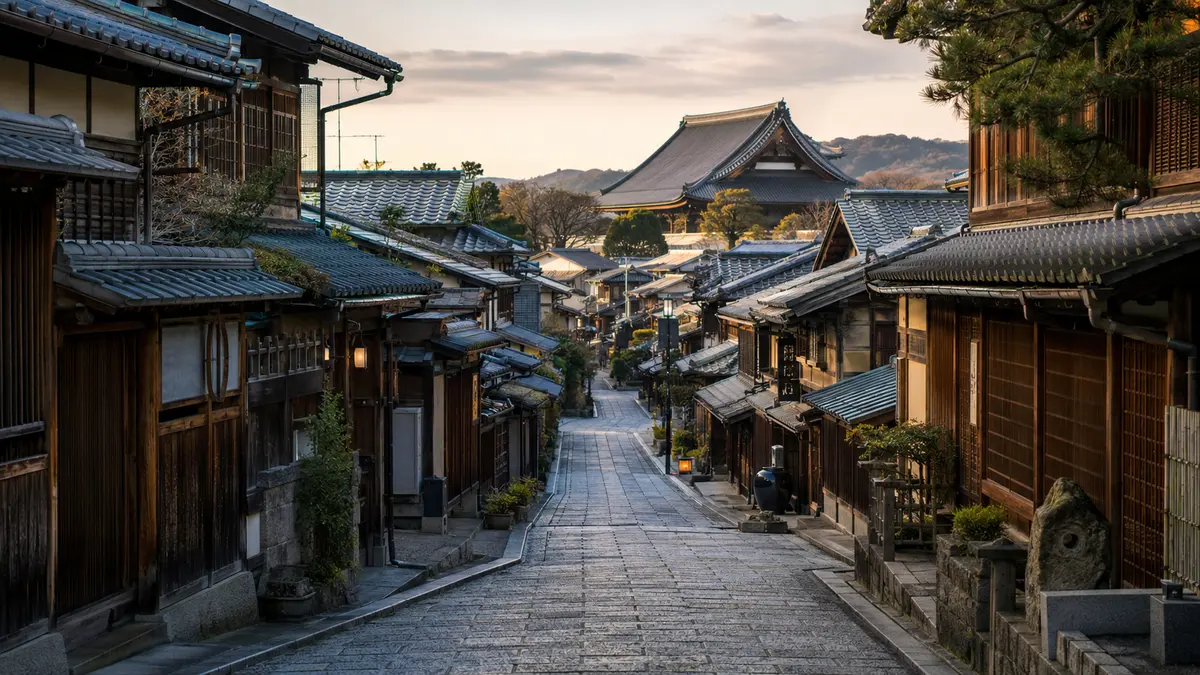
Before departure, confirm the final 2026 timetable, participating-float update, traffic map, bus diversions, weather decision, paid-seat status and return rail service. The article thumbnail is an editorial image created to represent Kawagoe Festival and is not documentary photography of the 2026 event.
If that does not work
Use the fallback.
- The old-town streets are full: move toward a wider lawful viewing area or make the visit a daytime Kawagoe trip; do not push against the managed pedestrian flow.
- A paid session is full: use free street viewing and spend the saved budget on a flexible meal or nearby accommodation instead of buying from an unofficial reseller.
- Rain or wind changes float movement: follow the newly dated organizer notice and accept that different parts of the program may make different decisions.
- Local buses are suspended or diverted: use the saved walking route to Hon-Kawagoe or Kawagoe Station and follow current operator signs.
- The final 2026 schedule is still unavailable: plan a flexible arrival window and avoid non-refundable bookings tied to an assumed procession time.
Before you need it
Save this offline.
- Official October 17–18 event page and newly released timetable
- Walking routes from Hon-Kawagoe and Kawagoe stations
- Final traffic-control map and any bus-diversion notice
- Paid-seat confirmation, total price and refund terms if reserved
- Return train route, meeting point and hotel address
- Compact rain gear, portable battery and a small hands-free bag
Frequently asked questions
Kawagoe Festival 2026: Dates, Floats, Seats and Access FAQ
When is Kawagoe Festival in 2026?
The official festival site confirms Saturday, October 17 and Sunday, October 18, 2026.
How many floats will participate?
The official tourism-association page says 26 floats are scheduled to participate in the 2026 festival.
Is Kawagoe Festival free?
The official pages reviewed do not list a general street-viewing admission ticket or reservation. Optional private viewing packages, food, transport and museum entry cost extra.
What is the nearest station?
Hon-Kawagoe Station is closest to the warehouse district and is about a 12-minute normal walk from the paid-seat venue. Kawagoe Station offers direct Tobu and JR access but is farther south.
How much are the paid seats?
First-floor outdoor packages have a ¥33,000 lunch or ¥55,000 evening table charge plus ¥16,500 per person. Second-floor terrace or private-room plans have a ¥55,000 lunch or ¥110,000 evening charge plus ¥27,500 per person.
When is the paid-seat cancellation deadline?
The seller states that cancellations and refunds are unavailable from September 21, 2026. Payment is due within one week after a provisional reservation email.
What happens if it rains?
A dedicated 2026 festival-wide rain or postponement policy was not yet published when reviewed on September 1. Check the organizer and any private-seat contract separately.
Are the traffic restrictions published?
The city says restrictions will apply, but the final 2026 traffic map and exact closure windows were not yet published in the reviewed official sources as of September 1.
Primary evidence
Official sources used
Open these pages again before travel. External links lead to the responsible Japanese authority or transport organization.