Do this now
Follow these steps in order.
- 01
Choose the day by purpose: September 7 for Shinmeisha observances, September 8 for all-float presentations and the scheduled tourism yama-butsuke, or September 9 for Yakushido visits and town-wide float movement.
- 02
Reserve the optional ¥3,000 guided viewing tour immediately if you want an assigned viewing area and explanation; it is first come, and live remaining capacity is not stated on the public page.
- 03
Use the Akita Shinkansen or Tazawako Line to Kakunodate, save the return timetable and walk from the station rather than depending on a car inside the restricted town center.
- 04
Download the official traffic-control map for your exact date, then recheck the organizer, JR East, JMA warnings and Akita WBGT on the morning of the visit.
What to know
Why Kakunodate is worth an Akita detour
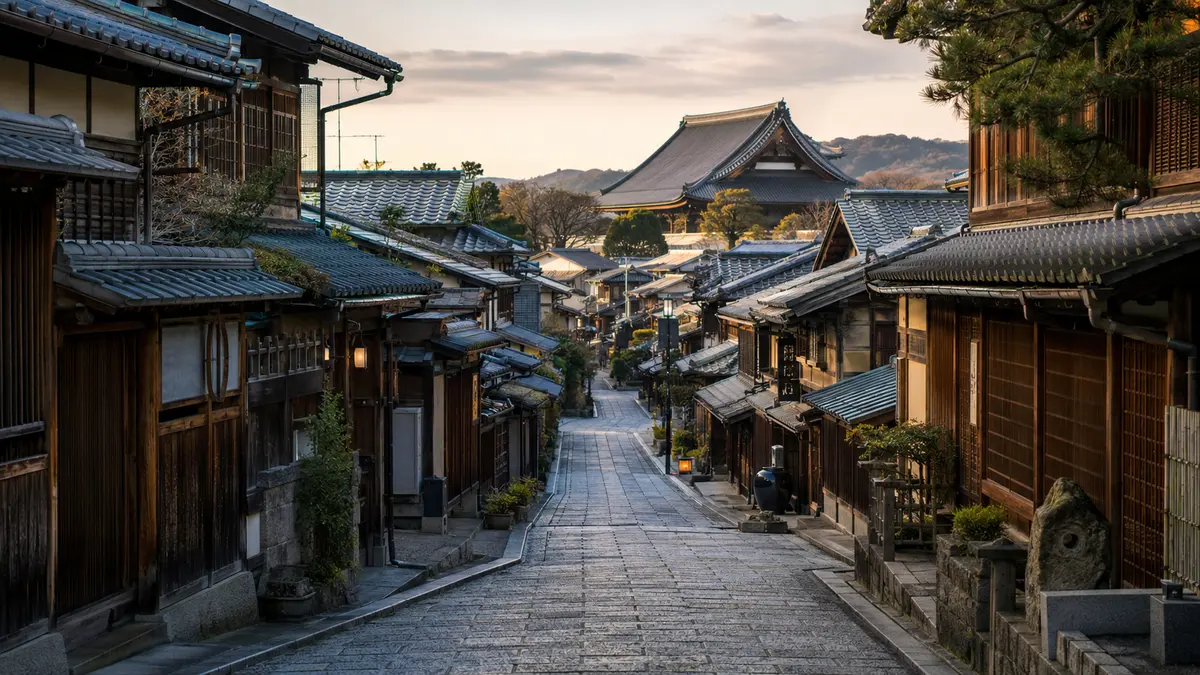
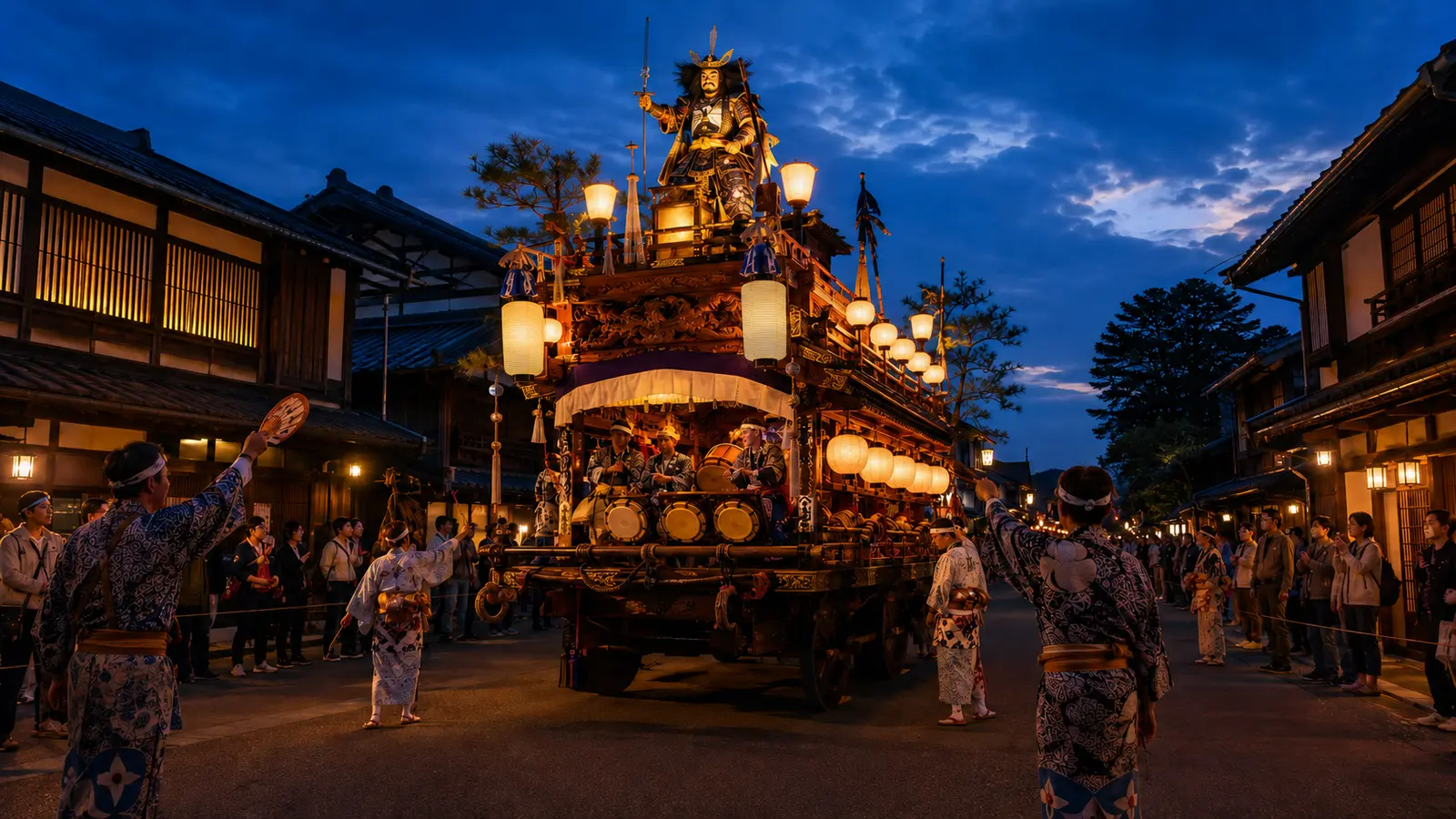
Kakunodate combines a living neighborhood festival with one of northern Japan's best-known historic townscapes. Eighteen neighborhood groups move large wooden yama floats decorated with warrior and kabuki figures through streets that retain their Edo-period character. Flute, drums, hand drums, gong, shamisen and dancing accompany the floats, so the appeal is not limited to the famous collisions.
Semboku City describes the tradition as approximately 400 years old. Kakunodate Festival Float Event is a National Important Intangible Folk Cultural Property and belongs to UNESCO's Yama, Hoko, Yatai float-festival group. Those designations describe the cultural practice, not a staged theme-park show: shrine duties, neighborhood routes and local negotiations shape what visitors see.
What to know
Official September 7–9 schedule
On Monday, September 7, the Shinmeisha annual-festival service begins at 10:00, neighborhood float visits to Shinmeisha begin at 16:00 and the eve-festival service begins at 20:00. The city says the traffic-restriction area will shrink in stages as float operations change, so use the September 7 map rather than assuming one all-day boundary.
Tuesday, September 8 is the clearest choice for a first visit. The Shinmeisha mikoshi procession starts at 08:00. From 10:00 to 17:30, all 18 floats present their decorations, music and dance for the Satake-kita family viewing and oyama-bayashi contest at the former Ishiguro family residence. Yakushido's opening service begins at 15:00, visits begin at 16:00 and the scheduled tourism yama-butsuke begins at 18:00.
On Wednesday, September 9, the Yakushido mikoshi procession starts at 07:10, while float visits to Yakushido and town-wide float movement start at 10:00. The reviewed official pages do not publish one festival-wide closing time for September 9. Do not build a last-train plan around an assumed late finish; use the current JR timetable and decide your departure before joining the evening crowd.
What to know
What yama-butsuke means — and what is actually scheduled
Yama-butsuke is not simply random float crashing. After religious visit obligations are complete, floats meeting in a narrow street negotiate which one has priority. When an agreement cannot be reached, the confrontation can culminate in the powerful contact for which the festival is known. The timing and location of these route negotiations are not a guaranteed spectator timetable.
The exception is the tourism yama-butsuke announced for 18:00 on September 8. It is a planned visitor-facing demonstration, and the tourism association sells a separate guided viewing product around it. Distinguish that scheduled program from unscheduled nighttime encounters: do not chase moving floats, step into a route or treat any collision as permission to cross a staff line.
What to know
Free street viewing and the ¥3,000 guided option
The organizer lists no general admission charge, public street-viewing ticket or reservation deadline for the three-day festival. That means ordinary lawful viewing from public areas is not presented as a ticketed allocation, but it does not guarantee a front-row position, a specific float or a collision. Live crowd controls and the duties of each neighborhood take priority.
The optional tourism-association tour runs Tuesday, September 8 from 17:30 to 18:30, with reception from 17:00 at the Firebreak Site. It includes a specialist explanation and viewing of the 18:00 tourism yama-butsuke, costs ¥3,000 including tax and is sold first come through STAY NAVI after account registration. The original 40-person allocation was expanded on August 15. A final booking deadline, new capacity and live remaining inventory were not displayed when checked on August 21, so the product can still sell out without a published countdown.
The tour schedule may move if the yama-butsuke timing changes. The official page describes a designated viewing area, but its sample seat image is not a promise of the exact final layout. Read the booking screen before payment for the current cancellation, accessibility and refund terms; the public event page does not state one blanket customer-cancellation policy.
What to know
Getting to Kakunodate without a car
Kakunodate Station is on JR East's Akita Shinkansen and Tazawako Line. This makes a direct Komachi service from Tokyo or a rail connection from Morioka or Akita the simplest approach, but individual trains do not all operate every day. Search the official September 7, 8 or 9 timetable and reserve a practical return before departure instead of copying an August timetable.
The local tourism association places the samurai-residence district about a 15-minute walk from Kakunodate Station, and the paid tour page gives the same approximate walk to the Firebreak Site. A full sightseeing circuit around the compact town is about five kilometers. Festival detours, stationary crowds and barriers can make that walk longer, so carry only a small bag and allow extra time.
What to know
Traffic restrictions, parking and toilets
Large-scale road restrictions operate during the festival, and the official 2026 visitor page publishes a different PDF map for September 7, 8 and 9. The September 7 boundary changes in stages. Download the correct map shortly before travel and follow police and festival staff even when a navigation app proposes a shorter street.
The guided-tour page lists paid parking at the temporary Samurai Residence Street parking area and the Semboku municipal Sakura Namiki parking lot, but the organizer strongly recommends public transport. A parking listing is not a space guarantee and does not remove traffic restrictions. The city lists seven permanent public toilets and nine temporary toilets for the event; queues and temporary access controls can still occur.
What to know
Rain, heat, crowds and safe viewing
The reviewed 2026 organizer and city pages do not announce one blanket rain, storm, postponement or refund policy for the full festival. They also do not publish a single weather decision time. Check the current event page, the tourism association and JMA immediately before travel; if staff stop movement or close an area, do not infer that another street remains open.
Early September can remain hot even after dark. Check Akita's current WBGT and Heat Stroke Alert, carry water and take a cooling break before entering the densest streets. Keep umbrellas, tripods and large luggage out of float routes. Stand behind barriers or staff lines, never touch a rope or float and give children, performers and emergency access more room than a normal sidewalk crowd.
What to know
Photography and a realistic one-day plan
No festival-wide 2026 visitor photography rule was posted on the reviewed pages. Use public viewing areas, follow any neighborhood or staff instruction and do not use a camera position that blocks a float, doorway, resident or emergency route. Ask before a close portrait and avoid bright light directed at performers. Drones and commercial production require a separate organizer decision; silence is not permission.
For a one-day visit, arrive before midday on September 8, walk the samurai district, watch the 10:00–17:30 float presentations and contest, take an indoor food and cooling break, then return for the 18:00 tourism yama-butsuke. Reserve the paid tour only if its explanation and designated area add value for you. Otherwise, remain flexible and protect the train home rather than trying to follow every float after dark.
If that does not work
Use the fallback.
- The guided tour is sold out: use ordinary public viewing areas and the official September 8 schedule; do not buy an unofficial seat or enter a reserved zone.
- Rain or a warning changes operations: follow the organizer and JMA, use the samurai district or a confirmed indoor attraction only if it remains open, and do not assume a postponed collision.
- The town center is too crowded: move toward a staffed outer street or Kakunodate Station and protect the return train instead of squeezing alongside a float.
- Parking is full or a route closes: follow the date-specific restriction map and staff; never use residential, shop or roadside space without explicit permission.
- A reserved Komachi is unavailable: check another official JR departure or a different travel day before committing to accommodation or a late return.
Before you need it
Save this offline.
- September 7–9 official schedule and the exact day chosen
- Date-specific traffic-control map and a station-to-meeting-point route
- Guided-tour confirmation, reception time and Firebreak Site pin if booked
- Kakunodate arrival and return train with reservation details
- Hotel address or a conservative same-day departure deadline
- JMA warning page, Akita WBGT and organizer update page
- Water, walking shoes, raincoat, portable battery and a small bag
- A meeting point outside the narrowest float streets
Frequently asked questions
Kakunodate Festival 2026: Float Schedule, Access and Yama-Butsuke Guide FAQ
When is Kakunodate Festival in 2026?
The float event runs Monday, September 7 through Wednesday, September 9, with a different religious and float program each day.
Is Kakunodate Festival free?
The official pages list no general admission price or public street-viewing ticket. The optional September 8 guided viewing tour costs ¥3,000.
When is the scheduled yama-butsuke?
The visitor-facing tourism yama-butsuke is scheduled for 18:00 on September 8. Other route negotiations and float contact do not have a guaranteed visitor timetable.
Do I need to reserve the guided tour?
Yes. It is first come through STAY NAVI. The original 40-person capacity was expanded, but the new capacity, remaining inventory and final deadline were not published on the public page.
How do I reach Kakunodate Festival?
Use JR East's Akita Shinkansen or Tazawako Line to Kakunodate Station. The samurai district and guided-tour area are approximately a 15-minute walk away before festival detours.
What happens if it rains?
No blanket 2026 rain, cancellation, postponement or refund rule was published on the reviewed official pages. Recheck the organizer and JMA before travel and follow live staff instructions.
Can I drive to the festival?
Paid parking is listed, but large-scale traffic restrictions apply and the organizer strongly recommends public transport. Use the current map for the exact date.
Can tourists take photos?
No festival-wide visitor rule was published on the reviewed pages. Stay in public viewing areas, follow staff and neighborhood instructions, avoid blocking routes, and ask before close portraits.
Primary evidence
Official sources used
Open these pages again before travel. External links lead to the responsible Japanese authority or transport organization.