
Japan Rail Pass: What Trains Can You Use?
Check which Shinkansen, JR trains, buses and ferries the Japan Rail Pass covers, plus Nozomi, subway, private railway and baggage rules.
The short answer
The Japan Rail Pass covers most JR trains nationwide, but it does not cover every train in Japan.
Covered travel includes ordinary cars on eligible JR Shinkansen services, JR limited express, express and local trains, the Tokyo Monorail, the JR WEST Miyajima Ferry and listed JR bus services.
Nozomi and Mizuho require an additional pass-holder ticket. Subways and most private railways are not covered.
On this page
- Quick coverage table
- Shinkansen rules
- Nozomi and Mizuho
- Limited express and local trains
- Tokyo, Kyoto and Osaka examples
- Private railways and through-services
- Buses, ferry and monorail
- Green Car and premium facilities
- Seat reservations
- Oversized baggage
- FAQ
- Official sources
Do this now
Follow these steps in order.
- Search the journey and identify the operating company.
- Check whether the train is JR for the full section.
- Confirm the train category and facility.
- Check whether the service is Nozomi or Mizuho.
- Confirm whether a seat reservation is required.
- Check baggage rules for Tokaido, Sanyo and Kyushu Shinkansen travel.
- Carry the passport and any reserved-seat or add-on ticket.
- Ask JR staff before boarding when a through-service or private segment is unclear.
Quick coverage table
What is covered?
| Transport | Normal pass treatment |
|---|---|
| Eligible JR Shinkansen ordinary cars | Covered |
| Nozomi and Mizuho | Extra pass-holder ticket required |
| JR limited express, express and local trains | Covered within pass and facility rules |
| JR Green Car | Covered with Green Pass where available |
| Tokyo Monorail | Covered |
| JR WEST Miyajima Ferry | Covered; ¥100 visitor tax remains payable |
| Listed JR local bus services | Covered with exceptions |
| JR highway buses | Not covered |
| Tokyo Metro and Toei Subway | Not covered |
| Osaka Metro | Not covered |
| Most private railways | Not covered |
| Non-JR part of a through-service | Usually separate payment unless an official exception applies |
What to know
Which Shinkansen trains are covered?
The pass covers ordinary cars on JR Shinkansen services except Nozomi and Mizuho when used without the dedicated add-on.
Covered train categories include, depending on the line:
- Hikari
- Kodama
- Sakura
- Tsubame
- Hayabusa
- Hayate
- Yamabiko
- Nasuno
- Komachi
- Tsubasa
- Toki
- Tanigawa
- Kagayaki
- Hakutaka
- Asama
- Tsurugi
Train names and service patterns can change. Check the current timetable and facility information.
Some Shinkansen services are all-reserved. A pass allows eligible travel, but it does not guarantee a seat until the reservation is completed.
What to know
How Nozomi and Mizuho work
Nozomi and Mizuho are not included with the pass alone.
A pass holder can use them by buying an [ONLY WITH JAPAN RAIL PASS] NOZOMI MIZUHO Ticket before boarding.
Current main-section adult prices include:
| Section | Add-on |
|---|---|
| Tokyo–Nagoya | ¥4,180 |
| Tokyo–Kyoto | ¥4,960 |
| Tokyo–Shin-Osaka | ¥4,960 |
| Tokyo–Hiroshima | ¥6,500 |
| Shin-Osaka–Hakata | ¥4,960 |
| Hakata–Kagoshima-Chuo | ¥5,150 |
One add-on is required for each use. It is valid only with a valid Japan Rail Pass and for the stated section, direction, date and train or facility conditions.
An Ordinary Pass holder cannot use the add-on to upgrade to Green Car. A Green Pass holder can purchase the eligible Green or Ordinary version.
What to know
JR limited express, express and local trains
Covered JR services can include:
- Limited express trains
- Express trains
- Rapid trains
- Local trains
- BRT services listed in the official conditions
This is important outside the Shinkansen network. Many destinations require a limited express or local connection after the high-speed segment.
Check the facility:
- Ordinary Pass covers eligible Ordinary Car travel.
- Green Pass covers eligible Green Car use where provided.
- Premium rooms, berths, special seating or facilities outside the pass scope may require additional payment.
Use the official vehicle-scope page for the exact train and facility.
What to know
Practical coverage in Tokyo
Common covered examples:
- JR Yamanote Line
- JR Chuo Line
- JR Keihin-Tohoku Line
- JR local and rapid services operated by JR East
- Tokyo Monorail
Common non-covered examples:
- Tokyo Metro
- Toei Subway
- Private railways such as Odakyu, Keio, Tokyu, Tobu, Seibu and Keisei
A route-planning app may show the fastest subway route even when a slower JR route is covered. Choose based on time and convenience rather than forcing every journey onto JR.
What to know
Practical coverage in Kyoto
Useful covered JR journeys can include:
- Kyoto Station to Saga-Arashiyama on the JR Sagano Line
- Kyoto Station to Inari on the JR Nara Line
- Kyoto to Osaka, Nara, Himeji or other JR destinations
- Covered Shinkansen and limited-express journeys
Common non-covered transport includes:
- Kyoto City Subway
- Kyoto city buses
- Hankyu
- Keihan
- Kintetsu, except where a separately purchased ticket or a different pass applies
- Randen
Kyoto is a good example of why a nationwide pass can be excellent for intercity travel but incomplete for sightseeing within the city.
What to know
Practical coverage in Osaka
Common covered examples:
- Osaka Loop Line
- JR Kyoto Line
- JR Kobe Line
- JR Yamatoji Line
- JR airport and regional services when covered by the pass rules
- Shinkansen from Shin-Osaka
Common non-covered examples:
- Osaka Metro
- Hankyu
- Hanshin
- Nankai
- Kintetsu
- Keihan
Check whether the accommodation is closer to a JR station or a subway station. That can materially change the amount of local value you receive.
What to know
Private railways and through-services
Japan's trains can continue across company boundaries.
A traveler may remain in the same seat while the train moves from a JR line to a private railway. The private section may require a separate fare.
The official conditions list limited through-travel exceptions on specified sections of:
- Aoimori Railway
- IR Ishikawa Railway
- Ainokaze Toyama Railway
- Hapi-Line Fukui
These exceptions have route and stop conditions. Do not generalize them to other journeys.
When in doubt:
- Check the operator for every segment.
- Look for a fare notice in the route result.
- Ask at a JR ticket office before boarding.
- Keep cash or an accepted payment method available for an extra fare.
What to know
Buses, ferry and monorail
The pass covers the Tokyo Monorail.
It also covers the JR WEST Miyajima Ferry between Miyajimaguchi and Miyajima. The ¥100 Miyajima Visitor Tax remains payable separately.
The official conditions list local services operated by:
- JR Hokkaido Bus
- JR Bus Tohoku
- JR Bus Kanto
- JR Tokai Bus
- West Japan JR Bus
- Chugoku JR Bus
- JR Shikoku Bus
- JR Kyushu Bus
JR highway buses and some local routes are excluded.
Do not assume a bus is covered because it displays JR branding. Check the exact route.
What to know
Green Car and premium facilities
A Green Pass provides eligible Green Car access on covered trains that offer Green Cars.
It does not automatically include:
- Every premium train facility
- Private compartments
- Sleeper accommodation
- GranClass service in every form
- Green Car on Nozomi or Mizuho without the dedicated add-on
- Premium facilities operated outside JR
Facility rules vary by train. Check the official vehicle-scope chart before booking a premium seat.
What to know
Seat reservations
Eligible seat reservations do not carry an additional reservation charge.
Reservation is still operationally important:
- Some trains are all-reserved.
- Popular departures can sell out.
- A pass does not create seat inventory.
- Reserved-seat tickets must be collected when required.
- Official online purchasers can reserve eligible seats before arrival.
- After collection or exchange, eligible ticket machines and JR offices can issue reservations.
A traveler using a non-reserved seat on a train that provides it may board with the pass, except for Nozomi and Mizuho without the dedicated ticket.
What to know
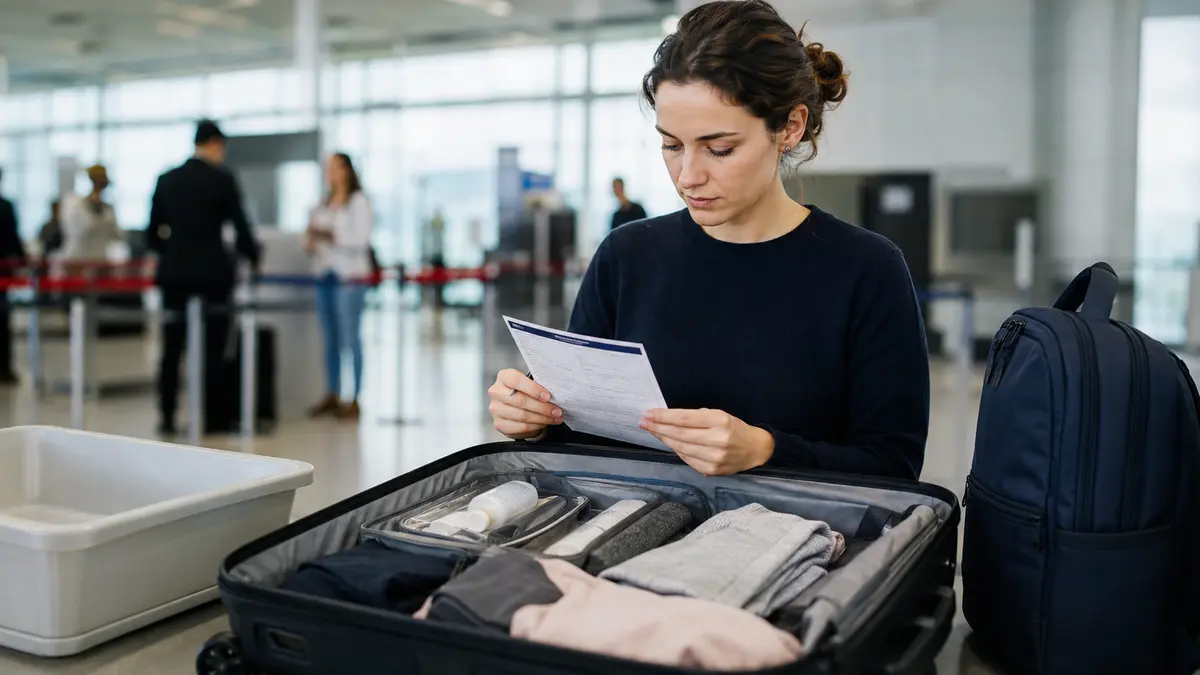
Oversized baggage on the Tokaido, Sanyo and Kyushu Shinkansen
Baggage with total dimensions from 160 cm to 250 cm requires the applicable oversized-baggage seating or storage reservation on these Shinkansen lines.
Measure:
length + width + height
A Japan Rail Pass does not remove the baggage reservation requirement.
Reserve the correct seat before travel. A bag above the railway's maximum size may not be accepted, and sports equipment or special items can have separate rules.
Read the existing Japan Travel Tech large-luggage guide before booking the train.
What to know
Other costs the pass does not remove
Depending on the journey, you may still pay for:
- Nozomi or Mizuho add-on
- Private railway section
- Subway or municipal bus
- Miyajima Visitor Tax
- Premium facility outside the pass scope
- Oversized-baggage issue caused by traveling without the required reservation
- Alternative transport after a disruption
- Accommodation after a disruption
The pass is a rail product, not a complete transport-insurance product.
If that does not work
Use the fallback.
- If the route planner shows several operators, separate the journey by company.
- If a private-line supplement is unclear, ask before entering the train.
- If Nozomi or Mizuho is the only practical departure, buy the dedicated ticket.
- If a covered train is full, search another departure or ask about non-reserved options where available.
- If the baggage reservation is unavailable, change the train, forward the bag or reduce the luggage.
- If the gate rejects the pass, use a staffed gate and show the pass and passport.
- If the service is disrupted, follow the operating company's instructions and do not assume the pass will cover a replacement bus, hotel or flight.
Before you need it
Save this offline.
- Exact train name and operator
- Covered and non-covered route segments
- Pass validity dates
- Reserved-seat ticket
- Nozomi or Mizuho add-on
- Oversized-baggage reservation
- Passport
- Current official conditions page
Frequently asked questions
Japan Rail Pass Train Coverage FAQ
Does the Japan Rail Pass cover all Shinkansen?
It covers eligible JR Shinkansen services, but Nozomi and Mizuho require a dedicated additional ticket.
Does it cover Tokyo Metro?
No. Tokyo Metro and Toei Subway are separate from JR.
Does it cover the Yamanote Line?
Yes, the JR Yamanote Line is covered during the pass validity period.
Does it cover Kyoto buses?
Kyoto city buses are not generally covered by the nationwide Japan Rail Pass.
Does it cover the ferry to Miyajima?
The JR WEST Miyajima Ferry is covered. The ¥100 Miyajima Visitor Tax remains payable.
Does it cover airport trains?
Covered JR airport services and the Tokyo Monorail can be used within the pass rules. Private airport railways are not covered merely because they serve an airport.
Can I reserve seats for free?
Eligible reserved seats can be booked without an additional reservation charge, subject to availability and the pass rules.
Related Japan Travel Tech guides
- Japan Rail Pass Guide 2026
- Is the Japan Rail Pass Worth It in 2026?
- Japan Rail Pass Calculator
- How to Buy the Japan Rail Pass in 2026
- Best Japan Rail Pass Itineraries
- Traveling With Large Luggage in Japan
- Where to Put Luggage on Japanese Trains
- How to Navigate Large Train Stations in Japan
Primary evidence