Before you book around it
Plan these in order.
- 01
Group each day by district instead of crossing the city repeatedly.
- 02
Check the official Kyoto transport guide and the operator serving each area.
- 03
Reserve limited-entry attractions or experiences through their official channels.
- 04
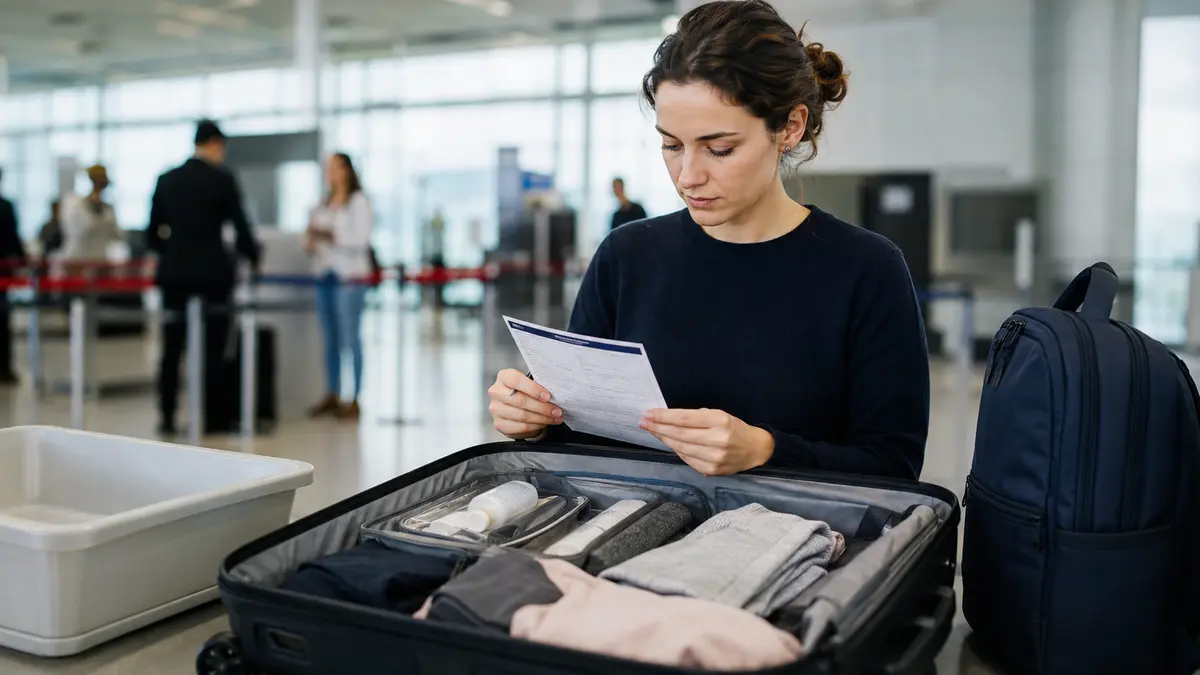
Use hotel delivery or storage so large bags do not enter crowded buses.
What to know
Use the right mode for the right district
Kyoto City Subway, city buses, JR, Hankyu, Keihan, Kintetsu and other operators serve different corridors. Rail is often more predictable for long cross-city moves, while buses and walking cover the last section.
What to know
Crowding changes the practical route
A direct bus can be slower or harder to board at peak times. Start early, consider a rail alternative and avoid carrying suitcases on local sightseeing routes.
What to know
Respect rules that protect living neighborhoods
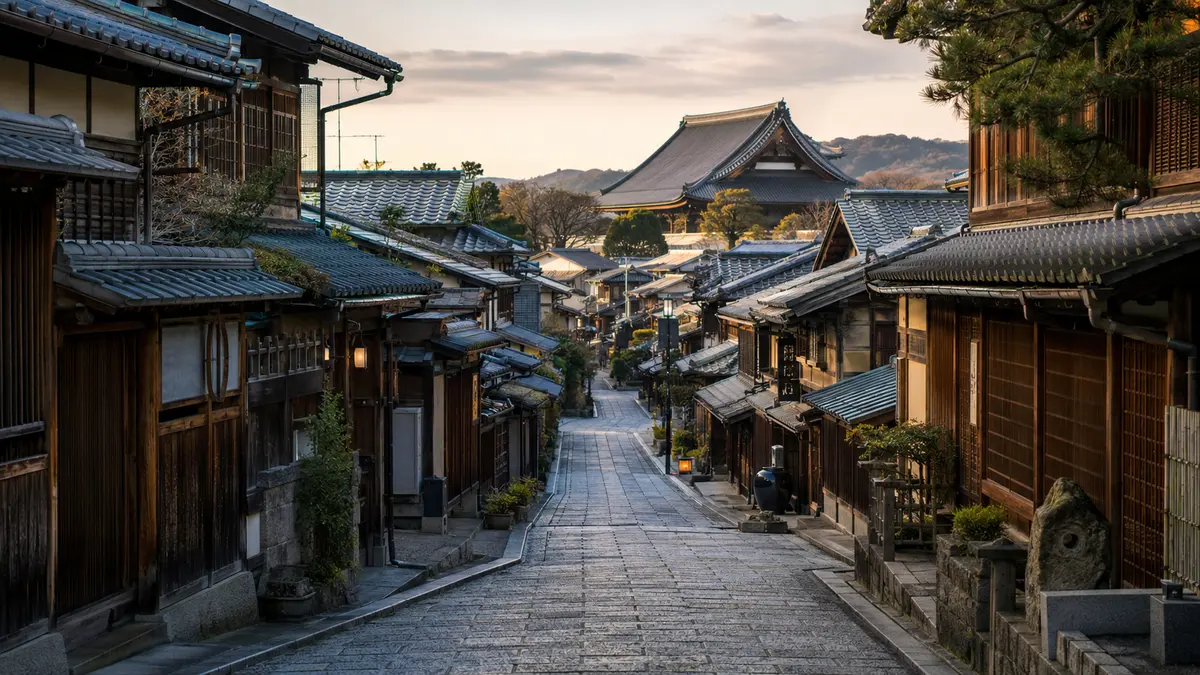
Some historic streets are also residential and working areas. Follow current signs, photography restrictions and access rules. Do not enter private alleys or property because a social post identifies it as a photo location.
What to know
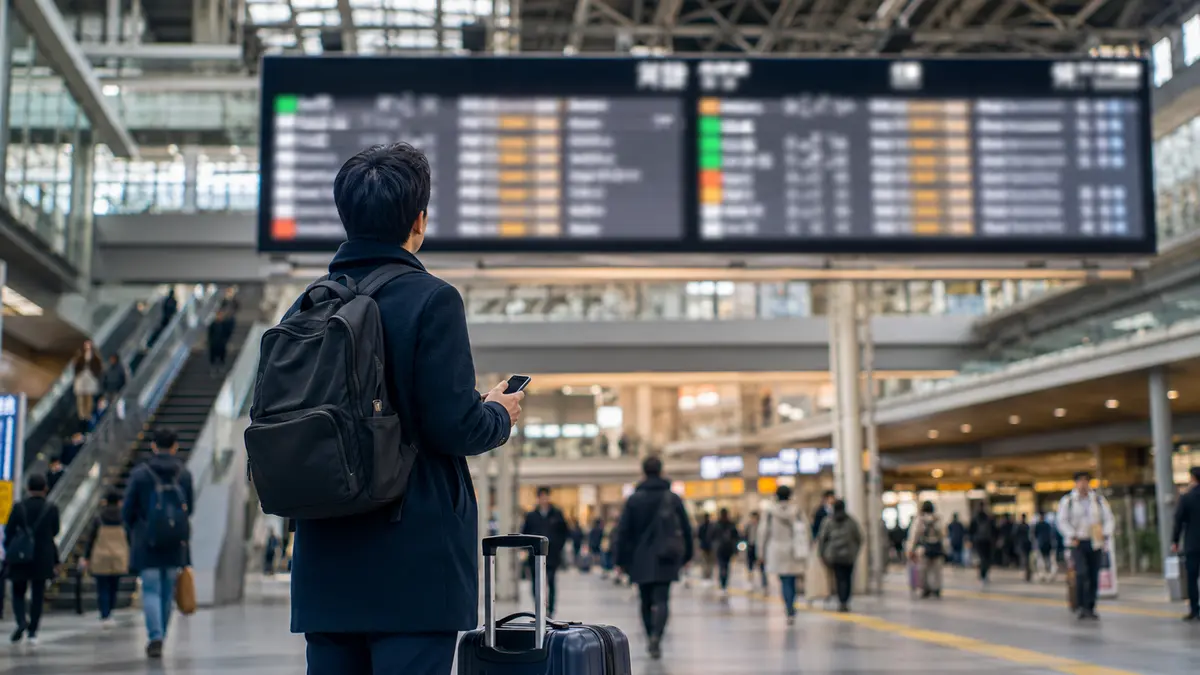
Kyoto Station is a transfer system of its own
Allow time to find the correct side, platform, bus area or luggage service. A short connection on a map can become difficult when you first arrive with bags.
Avoid this
Common planning mistakes.
- Building the whole itinerary around buses
- Crossing the city repeatedly for individual sights
- Taking large luggage onto crowded local transport
- Treating residential streets as open photography sets
Before you need it
Save this offline.
- District-based daily plan
- Rail and bus operator names
- Reservation confirmations
- Hotel and luggage-storage details
- Current rules for sensitive locations
Primary evidence
Official sources used
Open these pages again before travel. External links lead to the responsible authority, destination organization, airport or transport operator.