Do this now
Follow these steps in order.
- 01
Do not travel using the September 4–6 dates or 2026 stadium and street arrangements; that edition has finished.
- 02
Wait for a newly dated organizer announcement before booking a future Okinawa Zento Eisa trip.
- 03
Recheck future venues, tickets, buses, shuttle service, traffic controls and weather terms independently.
- 04
Use the archived sections below only to understand the 2026 format and the decisions a later edition may require.
What to know
Why this festival can justify an Okinawa City night
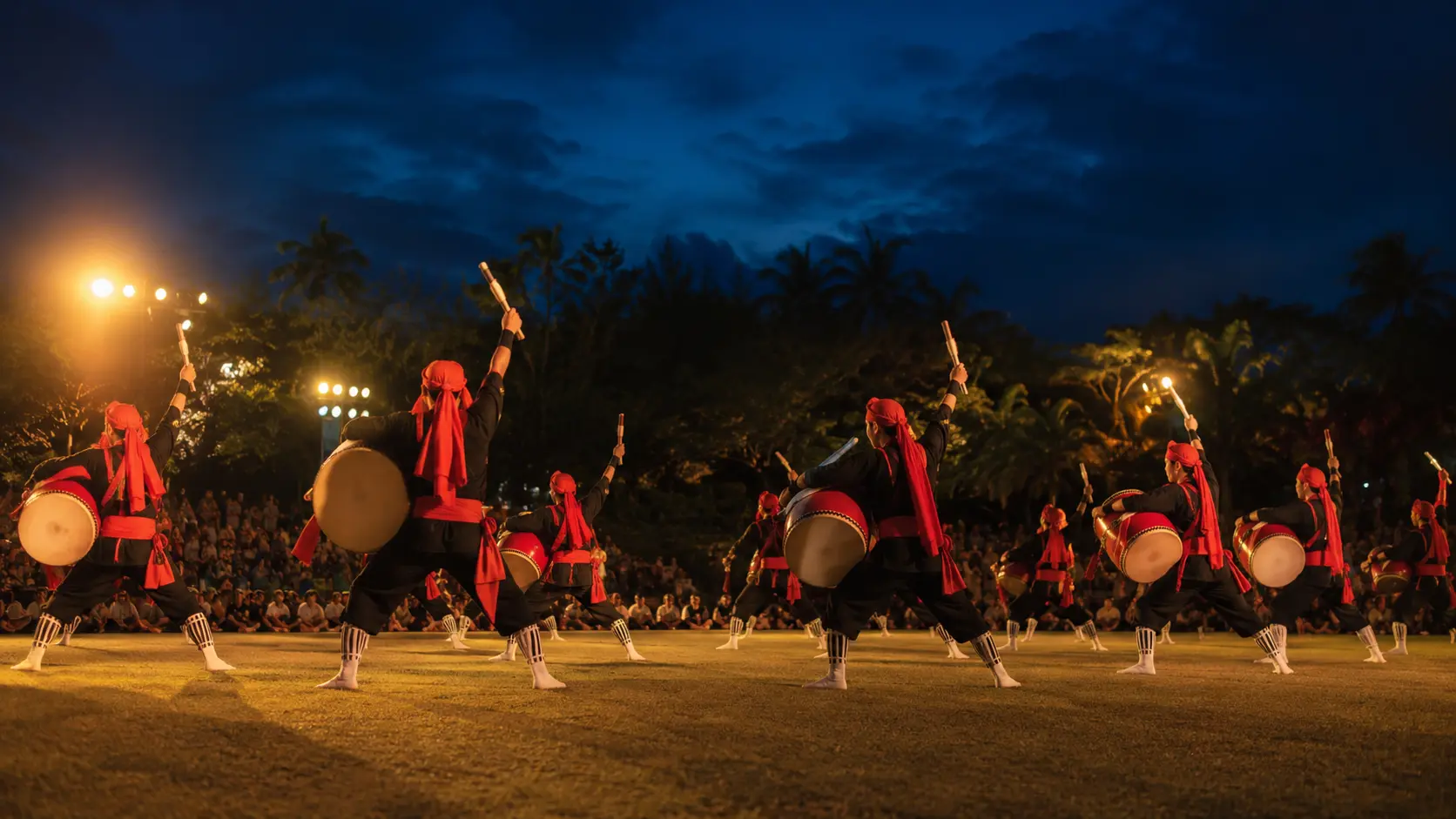
Eisa combines powerful taiko drumming, sanshin music, song and choreographed group movement. The organizer traces the all-island festival to a 1956 competition created after Koza City was established. Selected youth associations from across Okinawa now perform alongside invited groups, making this a concentrated way to compare community eisa styles rather than seeing one short hotel-stage version.
The three days are not interchangeable. Friday brings Michijunee—groups moving through and performing around the Goya Crossroads area—while the weekend places multiple groups in the Koza Sports Park athletic field. A traveler who wants street atmosphere may prefer Friday; someone who wants a fixed seat, a longer program and easier sightline should consider Saturday or Sunday.
What to know
Official 2026 dates, times and venues
Friday, September 4 is the first-day Michijunee program. The organizer gives the overall program as 19:00–21:30, with the Goya Crossroads procession scheduled from 19:30–21:30 and two fixed performance areas beginning at 19:00. This is a street-centered night in central Okinawa City, not the stadium program.
Saturday, September 5 is the 48th Okinawa City Youth Festival from 15:00–21:00 at Koza Sports Park Athletic Field. Sunday, September 6 is the all-island final day at the same field from 15:00–21:00. The official schedule lists 13 groups for Saturday and 14 for Sunday, but it does not publish a minute-by-minute order for every performance when checked on August 19.
What to know
Paid stand tickets, free lawn viewing and sellout decisions
For the weekend stadium program, advance main-stand prices are ¥4,000 for reserved SS, ¥3,300 for reserved S and ¥2,000 for reserved A seats. Same-day prices are ¥4,500, ¥3,800 and ¥2,500. B seats in the two stand-wing sections are unreserved, cost ¥1,500 and have no advance allocation. Tickets went on sale July 1 through the Okinawa City Tourism and Products Promotion Association, the athletic field and FamilyMart/eplus, where seat selection is available.
The lawn around the performance field is free. Free does not mean reserved: space and sightlines depend on arrival and live crowd control. The organizer does not publish a separate child price; a child younger than elementary-school age may sit on an adult's lap without a ticket, but needs a paid ticket to occupy a stand seat. Official pages reviewed on August 19 did not display live inventory or promise same-day availability, so treat any preferred reserved category as capable of selling out.
What to know
Getting from Naha without relying on a rail station
Okinawa City is not on an urban rail line. For Friday, the organizer names Goya bus stop as the nearest stop, with the street program immediately nearby. For Saturday and Sunday, use Sonoda bus stop and walk about ten minutes to Koza Sports Park. The official estimate from Naha is 60–90 minutes by public bus, with additional delay expected during the event.
Save the outbound and return bus numbers and last practical departure before leaving Naha. Do not copy a route from the stale English organizer page: it is headed 2025 even though the Japanese navigation already shows the 2026 dates. Use the current 2026 access and schedule pages, then confirm the operator timetable because the organizer does not guarantee one universal Naha route or late-night capacity.
What to know
Parking, shuttle buses and traffic controls are not final yet
The organizer says there is no free general-public parking inside the event venue and asks visitors not to use nearby supermarkets, convenience stores or roadside spaces. The FAQ names five usual shuttle origins, but the dedicated 2026 shuttle page still says arrangements are being finalized. The access page likewise says the 2026 traffic-control area will be published later.
Do not build a rental-car plan around an older map, last year's English page or an undated shuttle list. If driving remains necessary, wait for the organizer's final 2026 parking and shuttle notice, allow for road closures and choose a legal fallback outside the controlled area. Public bus is the more predictable default until those details are confirmed.
What to know
Heat, rain and the limits of the current weather policy
Early September in Okinawa can remain hot and humid. Check Okinawa's current WBGT and Heat Stroke Alert, drink before entering a queue and bring water that complies with the venue rules. The FAQ permits a parasol when used considerately, but tents and large parasols that obstruct other spectators are not permitted. Do not wait for symptoms before moving to shade or telling staff that you feel unwell.
The ticket page says the festival may be interrupted, postponed or canceled because of weather, but the reviewed official pages do not state a fixed rainfall, lightning or typhoon threshold, a substitute date or a blanket refund rule. Check the organizer and JMA before leaving the hotel. A flight operating normally does not prove that the outdoor event will proceed unchanged.
What to know
Accessibility, baggage and re-entry
The main stand has a wheelchair viewing area; ask venue staff for access. A separate tented priority area near the performance-field entrance is available on a first-come basis for wheelchair users and disabled visitors. The FAQ also identifies accessible temporary toilets and says the gymnasium toilet can be opened on request for eligible users and families using the nursing room.
Paid baggage storage in the gymnasium costs ¥500. Main-stand re-entry is allowed when the wristband remains attached and readable. Glass bottles, oversized coolers and strollers are not allowed in the main stand, and pets are not admitted. Confirm any accommodation directly if it is essential to the visit rather than assuming that a free lawn space will solve it.
What to know
Filming and respectful participation
The organizer prohibits commercial filming and filming that violates portrait rights, and bans drones and small radio-controlled aircraft around the venue. A ticket, creator account or professional camera does not replace a permit. Keep cameras out of aisles and ask before making close images of performers, children or other visitors.
Eisa is a community tradition, not a costume backdrop. Watch staff cues, keep performance routes clear and do not imitate a group inside its formation. Applause and participation should follow the event's invitation rather than interrupting a song, drum sequence or procession for a shot.
If that does not work
Use the fallback.
- Reserved stand seats are sold out: use an official same-day category only if the organizer confirms stock, or choose the free lawn with a realistic sightline expectation.
- The Naha bus is delayed or full: follow the bus operator's live guidance and protect the return trip instead of boarding an unverified car or parking near the venue.
- Final shuttle details differ from an older page: use only the organizer's dated 2026 notice; the dedicated shuttle and traffic pages were still being finalized on August 19.
- Weather changes the program: follow the organizer and JMA; do not assume a postponement, refund or next-day transfer until it is officially stated.
- The free viewing area is too crowded: ask staff for an available lawful area or leave the field; do not place a chair, sheet or camera equipment where it blocks others.
Before you need it
Save this offline.
- September 4 Goya Crossroads plan or September 5–6 Koza Sports Park plan
- Correct Goya or Sonoda bus stop and a return timetable to Naha
- Official ticket confirmation and the selected seat category
- Organizer schedule, access, traffic and shuttle pages
- Hotel address and a meeting point outside the densest viewing area
- Okinawa WBGT and JMA warning pages
- Water, sun protection, compact rainwear and a portable battery
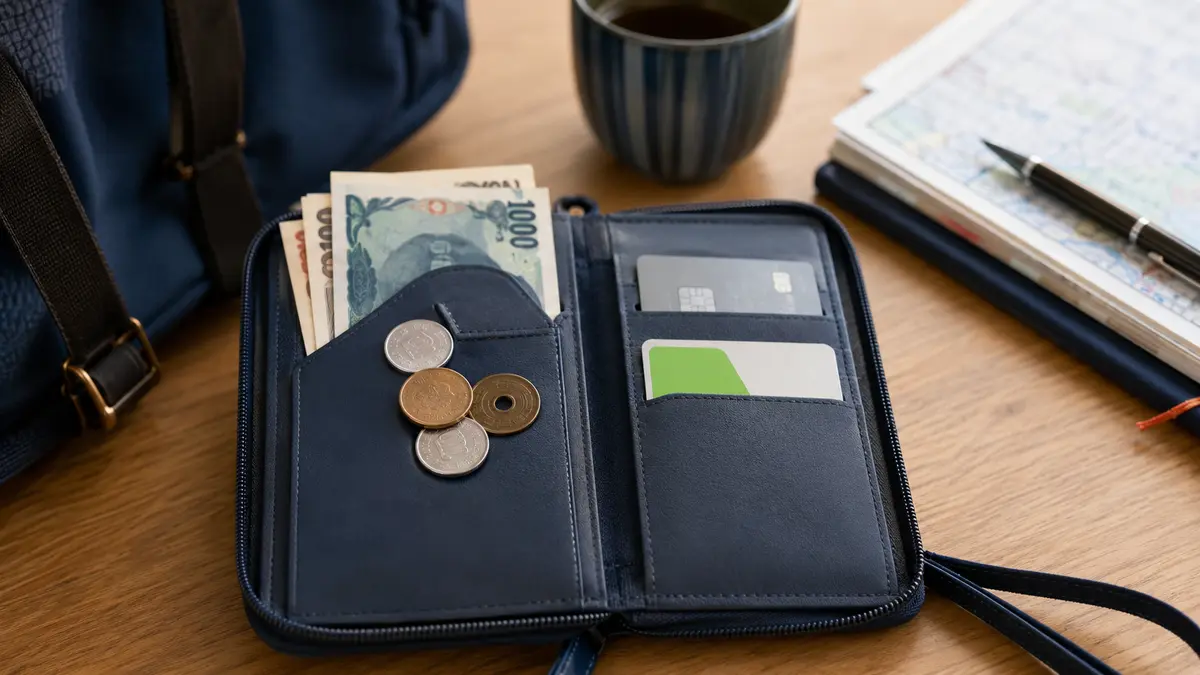
- Some yen, a card and a smaller bag that avoids the baggage desk
Frequently asked questions
Okinawa Zento Eisa Matsuri 2026: Event Ended — Archived Guide FAQ
When is Okinawa Zento Eisa Matsuri in 2026?
The festival runs September 4–6. Friday's street program is scheduled from 19:00–21:30; the Saturday and Sunday stadium programs run from 15:00–21:00.
Where is the festival held?
Friday uses the Goya Crossroads area in central Okinawa City. Saturday and Sunday are at Koza Sports Park Athletic Field.
How much are 2026 stand tickets?
Advance SS, S and A seats are ¥4,000, ¥3,300 and ¥2,000. Same-day prices are ¥4,500, ¥3,800 and ¥2,500. Unreserved B seats cost ¥1,500 on the day only.
Can I watch Okinawa Zento Eisa Matsuri for free?
Yes. The lawn around the weekend performance field is a free viewing area, but positions are not reserved and live crowd controls still apply.
How do I reach the festival from Naha?
The organizer estimates 60–90 minutes by public bus. Use Goya stop for Friday and Sonoda stop, then walk about ten minutes, for Saturday or Sunday.
Is there free parking at the venue?
No general-public free parking is available inside the venue. Final 2026 temporary-parking, shuttle and traffic-control details were still being prepared when checked on August 19.
What happens if a typhoon or heavy rain affects the festival?
The organizer says the event may be interrupted, postponed or canceled, but has not published one fixed threshold, substitute date or blanket refund rule. Recheck the organizer and JMA.
Can I leave and re-enter the paid stand?
Yes, if the event wristband remains attached and can be verified. A removed or badly damaged wristband may not be accepted.
Can tourists film the eisa performances?
Noncommercial visitor photography must still respect portrait rights, staff instructions and crowd safety. Commercial filming and drones require a different decision and are prohibited under the published visitor rules.
Primary evidence
Official sources used
Open these pages again before travel. External links lead to the responsible Japanese authority or transport organization.