Do this now
Follow these steps in order.
- 01
Choose the exact night and street: Shinmachi and Hashimoto-cho on August 13–15, or Honmachi on August 16.
- 02
Reserve accommodation or commit to a documented train, parking and shuttle plan; ordinary daytime transport does not automatically run all night.
- 03
Download the official 2026 traffic map before entering the historic centre because road controls, parking access and walking routes vary by night.
- 04
Check the organizer's same-day notice, weather warnings and current Heat Stroke Alert before travel, then carry water and rain protection.
What to know
The four all-night sessions use two different street areas
The all-night period is the most intense part of the 2026 Gujo Odori season, but it is not one continuous four-day event. Each session starts on its listed evening and finishes the following morning. The official schedule below was checked on August 11, 2026.
- Thursday, August 13 — Shinmachi and Hashimoto-cho, 20:00–04:00.
- Friday, August 14 — Shinmachi and Hashimoto-cho, 20:00–05:00.
- Saturday, August 15 — Shinmachi and Hashimoto-cho, 20:00–05:00.
- Sunday, August 16 — Honmachi, 20:00–04:00.
- The dance venue changes through the wider festival season. Save the page for the exact date instead of following an old photo, pin or crowd from another night.
What to know
There is no general street-dance ticket in the published plan
The official event pages reviewed do not list a general admission ticket or advance reservation for joining the street dance, and the tourism association explicitly encourages visitors to join. Your real costs are transport, accommodation, food and drinks, optional clothing rental, and parking if you drive.
Accommodation is the main sell-out risk. Official visitor guidance warns that rooms can be difficult to find on dancing days, especially during Obon. Do not arrive expecting to find a hotel after midnight. If the town is sold out, choose a verified early-morning transport plan or a different Gujo Odori date rather than treating public space as accommodation.
What to know
A 400-year dance tradition is performed with live music
Gujo Odori has more than 400 years of history and is recognized as a Significant Intangible Cultural Folk Asset. It is also part of the Furyu-odori dances added to UNESCO's Representative List of the Intangible Cultural Heritage of Humanity in 2022.
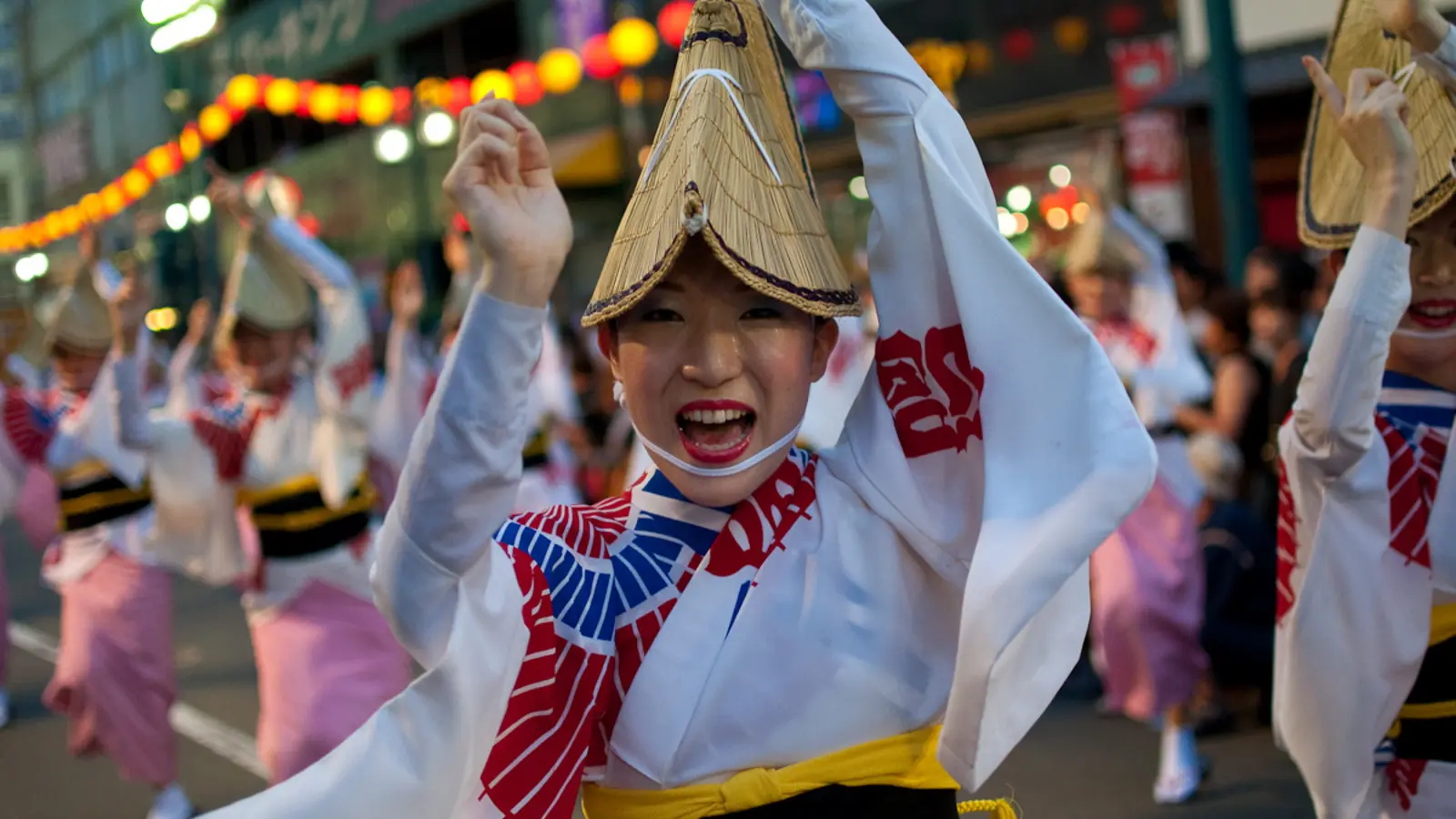
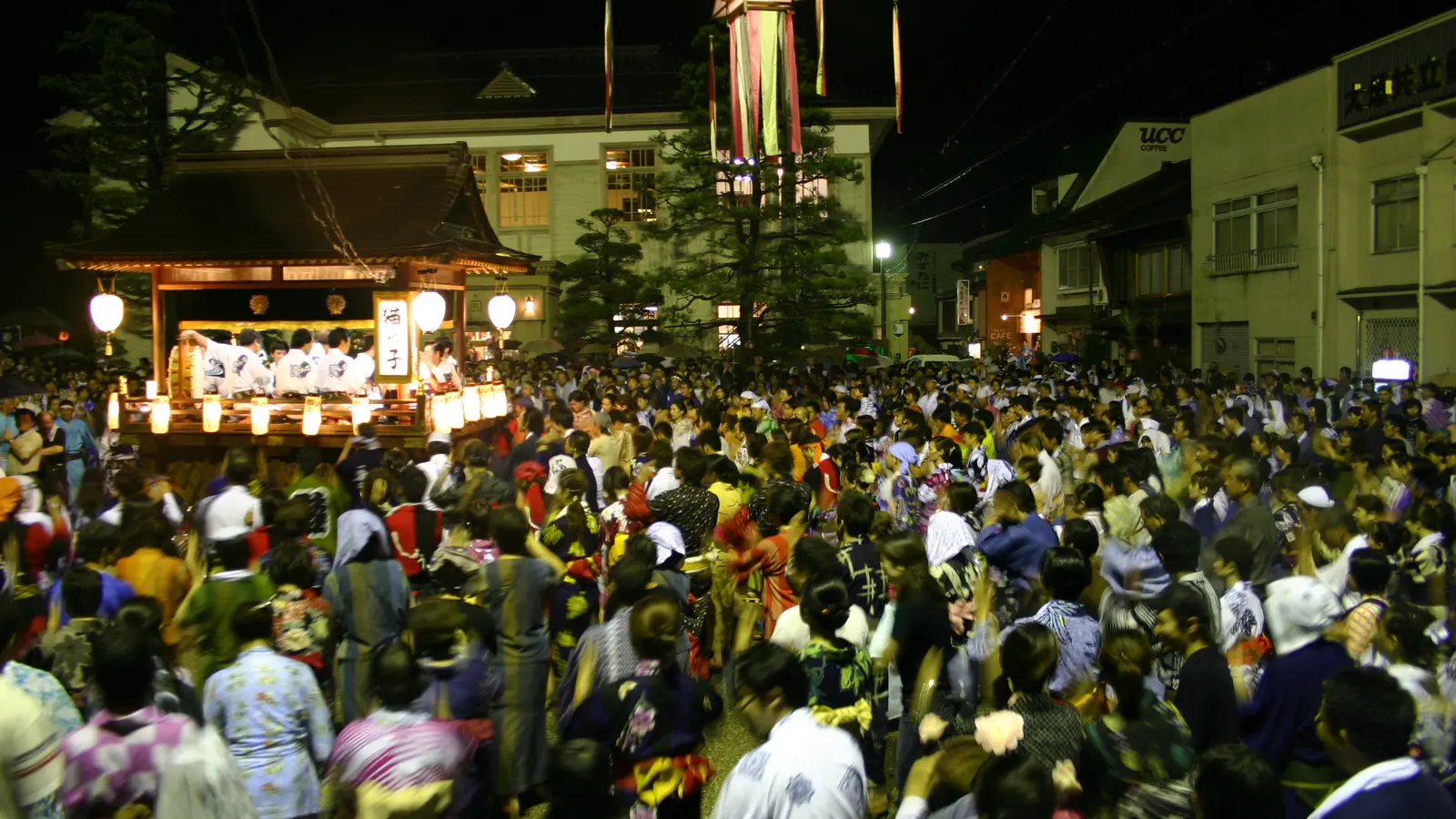
Musicians and singers perform from a moving or positioned float while dancers form a circle around it. The repertoire has ten songs and dances. Visitors do not need to arrive knowing every step: watch the people beside you, enter where there is space, and follow the rhythm without blocking the moving circle. The official tourism page says people are generally willing to teach newcomers.
What to know
From Nagoya, change at Mino-Ota for the local railway
The official rail route from Nagoya is JR to Mino-Ota, then the Nagara River Railway to Gujo Hachiman. The Japan Rail Pass does not cover the Nagara River Railway segment. Gujo Hachiman Station is about a 15-minute walk from the historic centre; a local bus or taxi can reduce the walk when carrying luggage.
Some highway buses stop at Gujo Hachiman Jokamachi Plaza in the centre, while other services use a highway stop outside the old town. Check the exact stop name before booking. A result labelled only ‘Gujo Hachiman’ is not enough to establish the final walking route, and normal daytime schedules should not be treated as an overnight return service.
What to know
Build the return around the official extra train, not an assumption
The 2026 traffic map lists a temporary Nagara River Railway departure from Gujo Hachiman at 04:51 for Mino-Ota on the mornings of August 14–17. It also lists a 23:51 departure for Mino-Shirotori on August 13–16. Confirm the operating notice, platform and onward connection again on the travel day; an extra local train does not guarantee a same-day connection to every final destination.
Save the timetable offline and leave enough time to walk from the dance street to the station through crowd controls. If you plan to leave before the dance ends, verify the exact last practical service rather than assuming there will be frequent buses or taxis after midnight.
What to know
Driving requires the current road-control and parking map
Central streets are controlled for the festival, and the direction, entry point and operating hours vary by date and parking lot. The official map lists 27 parking facilities and temporary lots. Many general lots charge ¥2,000 for a passenger or light car and ¥500 for a motorcycle, although the fee system and opening conditions differ by lot.
Hachiman Junior High School is the main temporary facility shown on the 2026 map, with 333 spaces and a free shuttle bus. The temporary JA lot, with 70 spaces, opens only when the junior-high lot is full. Capacity is not a reservation: a listed lot can fill, close or change access. Follow police and event staff rather than a normal navigation-app route after controls begin.
What to know
The dance normally continues in rain, but warnings can cancel it
Gujo City's official schedule says the dance is generally held in rain. It can be cancelled when evacuation information, weather warnings or similar safety conditions are issued, and the venue or times may change because of operating conditions. The current documents do not publish an automatic alternate date for each all-night session.
Check the organizer and Gujo City notices on the same day, then use a raincoat that keeps your hands free in the crowd. Do not rely on an umbrella in the moving dance lane. If the official session is cancelled, do not travel to the closed street on the assumption that an informal replacement will occur.
What to know
Plan for the crowd, heat and a very long night
The official tourism association says crowds can exceed 30,000 on each all-night Obon date. Join for as long as your condition and return plan allow; staying until the published finish is not required. Eat before the busiest hours, carry water, take breaks away from the dance flow and keep a charged phone plus an offline map.
August heat remains a risk after sunset. The August 11 national alert did not include Gifu, but that does not predict conditions on August 13–16. Check the Ministry of the Environment's current WBGT and alert page on your event day. For close portraits, ask permission; in dense streets, avoid tripods or filming setups that obstruct participants and emergency movement.
If that does not work
Use the fallback.
- If accommodation is sold out, use a fully verified early-morning rail or parking plan, or select another festival night; do not plan to sleep in an uncontrolled public place.
- If severe weather or an evacuation notice cancels the dance, follow the organizer's latest notice; the current schedule does not promise an alternate night.
- If a temporary lot is full, follow the official parking guidance to the next open facility instead of stopping on a controlled street.
- If the crowd becomes uncomfortable, step into an open edge area and seek event staff; do not push across the moving dance circle.
- If you miss the intended return, use a staffed information point or designated facility shown on the current event map to arrange a safe alternative.
Before you need it
Save this offline.
- Exact date, dance street and finish time
- Official 2026 traffic, parking and shuttle map
- 04:51 extra-train plan or confirmed accommodation address
- Last practical earlier service if leaving before dawn
- Same-day weather warning and cancellation page
- Current Gifu WBGT and Heat Stroke Alert status
- Phone power, emergency contact and offline town map
Frequently asked questions
Gujo Odori 2026: All-Night Dance, Access and Transport FAQ
When is the Gujo Odori all-night dance in 2026?
The all-night sessions begin on August 13, 14, 15 and 16. August 13 and 16 run 20:00–04:00; August 14 and 15 run 20:00–05:00.
Where is the all-night dance held?
Shinmachi and Hashimoto-cho host the August 13–15 sessions. Honmachi hosts August 16. The wider season changes streets by date, so open the official page for your exact night.
Do I need a Gujo Odori ticket or reservation?
The official pages reviewed do not list a general admission ticket or advance reservation for joining the street dance. Accommodation, transport and some parking costs are separate and should be arranged in advance.
Can visitors join the dance?
Yes. The official tourism association encourages visitors to participate. Watch the moving circle, enter where there is space and follow nearby dancers without blocking the route.
How do I reach Gujo Odori from Nagoya?
Take JR from Nagoya to Mino-Ota, then change to the Nagara River Railway for Gujo Hachiman. The local railway segment is not covered by the Japan Rail Pass, and the station is about a 15-minute walk from the historic centre.
Is there a train after the all-night dance?
The official 2026 traffic map lists a 04:51 temporary departure from Gujo Hachiman for Mino-Ota on August 14–17 mornings. Reconfirm operation and your onward connection on the travel day.
Does Gujo Odori continue in rain?
It normally proceeds in rain, but may be cancelled when evacuation information, weather warnings or similar conditions are issued. Venue and times can also change, so check the organizer on the same day.
How crowded is the all-night dance?
The official tourism association says more than 30,000 people can attend each all-night Obon session. Protect your return route, take breaks and avoid obstructive photography equipment in the dense streets.
Primary evidence
Official sources used
Open these pages again before travel. External links lead to the responsible Japanese authority or transport organization.