Before you book
Make these decisions in order.
- 01
Decide whether you want only the free exterior and park or the paid museum and observation level.
- 02
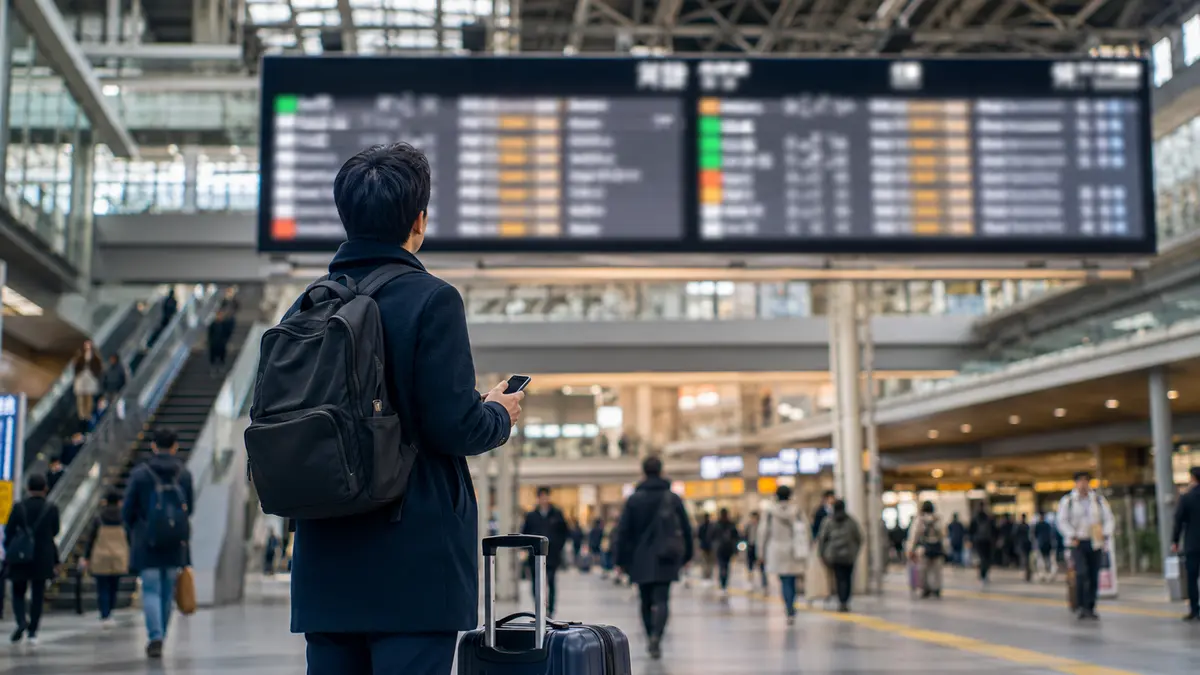
Choose the station for your wider itinerary and budget a real 15–20-minute park walk.
- 03
Compare the official web ticket, on-site purchase and Klook voucher using the same age category.
- 04
Bring the required passport or ISIC when claiming free child or discounted overseas-student admission.
- 05
Leave large luggage elsewhere, then check the live exhibition and crowd notices before departure.
What to know
The first decision: do you need an Osaka Castle ticket?
Osaka Castle Park is open to visitors without a Main Tower ticket. You can walk through the grounds, photograph the tower from outside and see the large moats, stone walls and gates without paying the museum admission. Nishinomaru Garden and some other park facilities have their own prices and hours.
The paid ticket is for the museum inside the Main Tower and the nearby Osaka Castle Toyotomi Ishigaki Museum. It becomes worthwhile when you want the Hideyoshi and Warring States history displays, original cultural objects, the 8th-floor observation level or the excavated Toyotomi-period wall below today’s castle level.
If the goal is one iconic photograph before continuing to another neighborhood, keep the visit free. If you want to understand why the castle was destroyed, rebuilt and physically buried under a later fortress, the paid pair gives the exterior context.
What to know
What the current Main Tower really is
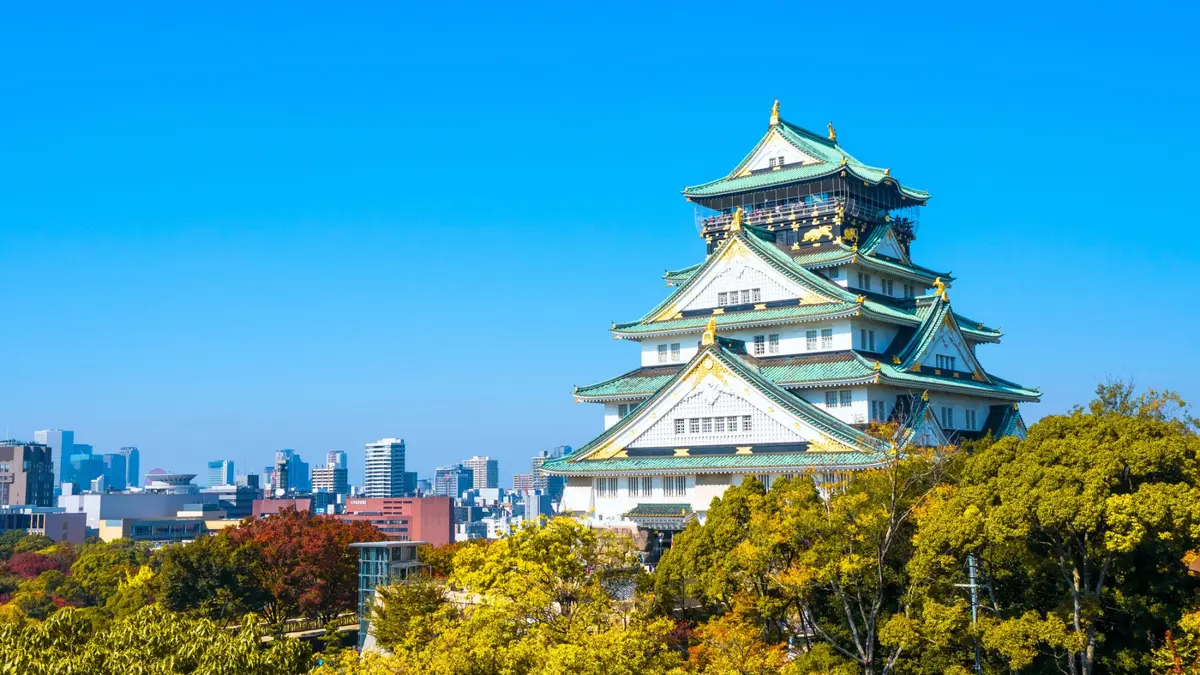
The official museum describes the present tower as the third Osaka Castle keep, after the Toyotomi and Tokugawa versions. It was reconstructed in 1931 with donations from Osaka residents and has served as a museum since it opened. Its interior is therefore a modern exhibition building, not an untouched timber residence or a recreated sequence of feudal rooms.
The museum holds around 10,000 cultural properties connected with the Toyotomi period, castle history, Osaka local history, arms and armor. Displays rotate, so a famous screen, letter or suit of armor seen in an old article may not be on view on the visit date.
Many walls, moats, gates and turrets visible outside date from the Tokugawa reconstruction or later, not Hideyoshi’s original castle. This is not a flaw; it is the site’s central historical story. The Toyotomi stone wall museum makes the buried earlier layer easier to understand.
What to know
Official prices, hours and proof of age
The Main Tower is open from 9:00 to 18:00 with final admission at 17:30 and closes from December 28 through January 1. The museum warns that on crowded days it can restrict the on-site ticket-purchase line before 17:30, so the stated final time is not a safe target for starting the visit.
Official admission is ¥1,200 for adults and ¥600 for high-school and university students. Junior-high-school age and younger visitors enter free. Overseas high-school and university students need an International Student Identity Card, while overseas visitors aged 15 or younger need a passport or another accepted age document.
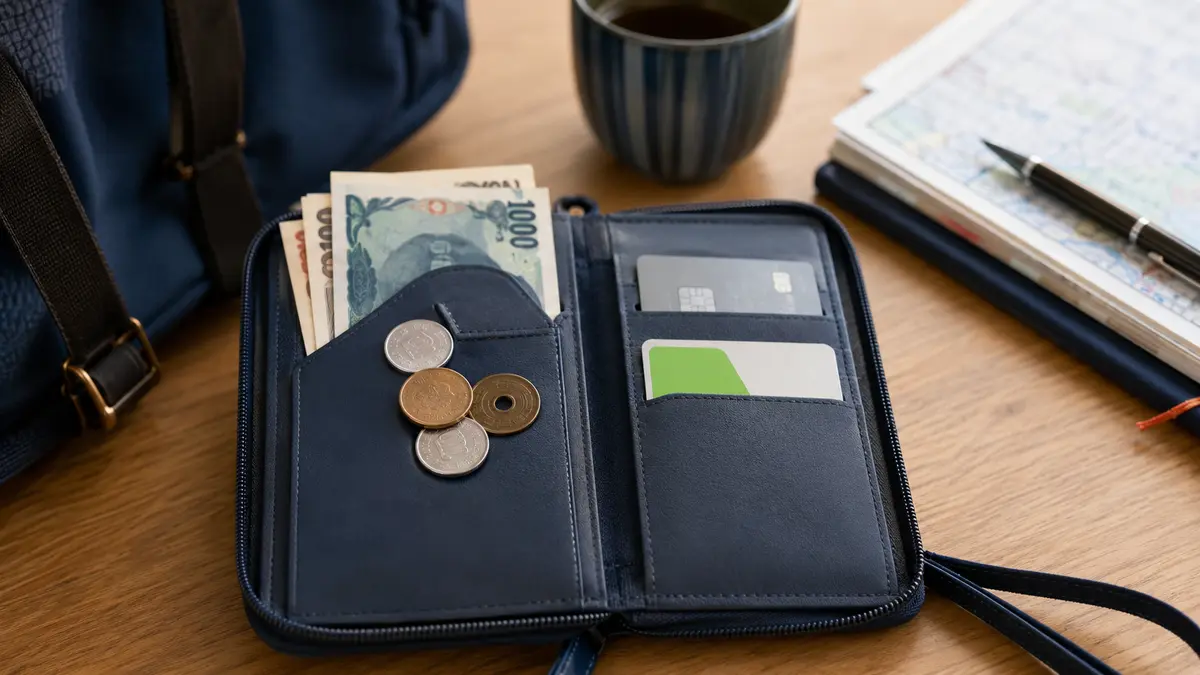
Eligible disability-certificate holders and one caregiver can enter free under the official rules. On-site machines accept Japanese-yen cash, major cards, transport IC cards and a range of listed electronic and QR payments. Payment support does not remove the need for the correct identity document.
What to know
What one admission currently includes
The standard Main Tower admission now includes entry to the Osaka Castle Toyotomi Ishigaki Museum. The second museum opened in 2025 and is reached separately within the honmaru area; do not finish at the tower and leave the park before finding it if the buried Toyotomi castle is a priority.
The Toyotomi Ishigaki Museum descends to a wall discovered in a 1984 excavation. The Tokugawa shogunate buried the earlier castle under large amounts of fill when rebuilding the site; the official account says roughly six meters of fill was added at one central level. The visible stonework shows older no-mortar construction, fire traces and reused stones.
The stone wall museum follows the same 9:00–18:00 schedule and year-end closure, but the wall can close without notice if monitoring identifies a safety concern. It has no toilet inside, so use the facilities before entering.
What to know
Official web ticket, on-site ticket or Klook?
An on-site purchase offers maximum day-of flexibility but can add a separate ticket line. The official museum sells web tickets, while Klook activity 30110 currently offers direct entry with a voucher. “Skip the line” should be understood as bypassing the on-site ticket-purchase queue—not skipping security, entrance controls, elevator waits or crowded galleries.
Klook’s current Osaka Castle Museum Ticket includes the Main Tower and Toyotomi Ishigaki Museum, is issued with instant confirmation and remains valid for 30 days from booking confirmation. The listing explains that its one-month calculation can end on the day before the same calendar date in the following month. Always use the exact expiry printed on the voucher.
The Klook product is non-cancellable and cannot be refunded or changed. Compare its live USD total with the official yen price and the free or discounted age rules before purchase. A child or qualifying student may gain nothing from buying a standard marketplace ticket, while an adult visiting at a busy time may value the direct-entry voucher.
- On site: flexible, but the purchase queue can be restricted early on busy days.
- Official web ticket: direct museum channel; check its live issue and use rules.
- Klook: 30-day voucher and direct entry, currently with no cancellation or changes.
- None of these products guarantees an empty entrance, elevator or observation deck.
- Nishinomaru Garden and other separate facilities are not automatically included.
What to know
Current 2026 exhibits and events
The third-floor exhibition Summer Vacation Special! Toyotomi Hideyoshi!! runs from July 24 through October 7, 2026. The official description uses Hideyoshi’s clothing, armor, letters and portraits to examine his appearance, warfare, policies, rivals and the construction of Osaka Castle.
The third and fourth floors normally contain protected cultural objects and prohibit photography. A temporary exhibition is therefore a reason to look closely rather than a promise of new photo opportunities.
A separate digital stamp rally across Osaka Castle Park runs from April 14 through December 27, 2026. It can turn the park into a longer historical walk, but do not add it to a tight tower-only plan without checking the live event instructions and completion points.
Compare the selected package
Check live packages and the total price for your date.
Use the same date, guests and included services when comparing Klook with the operator’s official page or direct booking option. Choose the better complete price, change, late-arrival and cancellation terms for your trip.
Check Osaka Castle Museum tickets on Klook↗Compare the official price and web ticket ↗Non-affiliate link
Paid link. Commercial details checked July 26, 2026; availability and terms can change.What to know
How long should you allow?
The official FAQ says many visitors spend 50–60 minutes inside the Main Tower and recommends about 90 minutes for careful viewing. That estimate begins at the museum, not at the train gate. The walk from a nearby station or car park can take another 15–20 minutes each way.
Allow 60–90 minutes for the Main Tower alone, two to three hours for the tower, Toyotomi Ishigaki Museum and a purposeful park walk, or half a day when adding Nishinomaru Garden, seasonal flowers, extensive photography or the stamp rally.
Starting near 9:00 is editorial planning advice, not an official low-crowd guarantee. It does protect more of the day and reduces the risk of reaching a restricted ticket line close to final admission. In summer, the exposed walk and humid park conditions also favor an earlier start.
What to know
Which station should you use?
There is no station immediately beside the Main Tower. Officially listed options include Osakajokoen and Morinomiya on the JR Osaka Loop Line; Tanimachi 4-chome, Temmabashi, Morinomiya and Osaka Business Park on Osaka Metro; Osakajo-kitazume on the JR Tozai Line; and Temmabashi on Keihan.
JR travelers often choose Osakajokoen for a direct park approach. Tanimachi 4-chome is useful when approaching the Otemon gate and the west side. The museum FAQ identifies the Otemon route from the Tanimachi 4-chome direction as comparatively flat and suitable for a wheelchair.
Choose by the journey before and after the castle rather than searching for one universally “best” station. Save the official English park map or the A4 accessibility map to the phone, then route to Osaka Castle Main Tower—not merely to the edge of the park.
- From Osaka or Umeda: the JR Loop Line makes Osakajokoen or Morinomiya straightforward.
- From Namba: a Metro route toward Tanimachi 4-chome or Morinomiya may fit better.
- For Otemon and a comparatively flatter approach: consider Tanimachi 4-chome.
- For every route: add 15–20 minutes of walking after the station.
What to know
Stairs, elevators and wheelchair planning
For general visitors, the internal elevator goes upward directly to the fifth floor under staff guidance. Visitors then normally use stairs from the fifth to eighth floors and from the eighth floor down to the first. The sixth floor is not a public exhibition floor.
Wheelchair users and visitors who have difficulty walking can ask staff to use the elevators for all public floors in both directions. An exterior elevator provides access to the first floor, and an accessible toilet is available on the second floor, with two more in the honmaru plaza.
Five manual wheelchairs are available inside on a first-come basis and cannot be reserved. The official access page provides a dedicated English accessibility map; use it to avoid the steep Gokurakubashi-side approach when gradients determine the visit. Contact the museum before travel if an elevator, transfer or walking limit is essential.
What to know
Luggage, strollers and audio guidance
There are no coin lockers inside the Main Tower. The ticket counter can hold one bag for ¥100 from 9:00 to 17:30, with collection by 18:00, but space is limited and large groups of bags may be refused. A station locker or hotel is the safer plan for a suitcase.
The upper floors narrow and become crowded, so the museum asks visitors not to take strollers inside in principle. Staff can hold a stroller free of charge at the ticket-gate entrance. A baby carrier makes the museum route easier, but stairs and crowding still require care.
Free audio-guide devices are offered in Japanese, English, Korean and Chinese from 9:00 to 17:00, with return by 17:30, while supplies last. Multilingual leaflets and some English exhibit explanations are also available. The audio guide can add value when the visual displays alone do not explain the layered history clearly.
What to know
Photography and a better seasonal visit
Photography is prohibited on the third and fourth floors because they display important cultural properties. Other floors generally allow it. The museum identifies the 8th-floor observation deck and the full-size shachihoko and tiger replicas on the second floor as popular photo points.
Flash and equipment that interferes with other visitors should not be used. The observation level can be busy and exposed to weather, so take the photograph without blocking circulation. Commercial, editorial or controlled production needs should be discussed with the museum rather than inferred from ordinary admission.
The park has around 3,000 cherry trees and roughly 1,270 plum trees according to the official FAQ. Flower seasons bring a stronger landscape but also heavier crowds. Summer requires water, a hat and heat breaks during the station walk; autumn offers color, while winter makes the year-end closure and shorter daylight more important.
What to know
A practical two-to-three-hour plan
Enter the park from the station that fits your route, use the gates, moats and Tokugawa stonework to establish the outside story, then reach the Main Tower with the voucher and identity documents already open. Store the stroller or bag before scanning in.
Inside, decide whether to take the general visitor elevator to the fifth floor or begin lower according to staff direction. Protect time for the rotating third- and fourth-floor objects even though those rooms cannot be photographed, then finish with the eighth-floor view.
After leaving the tower, walk to the Toyotomi Ishigaki Museum before exiting the honmaru. That order turns the reconstruction, modern museum and buried original layer into one coherent visit. Keep the park walk or Nishinomaru Garden optional when heat, rain, mobility or the next reservation makes a longer circuit unwise.
A good fit
Put it on your list if...
- First-time Osaka visitors who want an iconic site plus historical context
- Travelers interested in Toyotomi Hideyoshi, the Sieges of Osaka and castle reconstruction
- Visitors who want the 8th-floor city view and the buried Toyotomi stone wall
- Families carrying the correct proof for free child admission
- Travelers who value bypassing the on-site ticket-purchase queue
Think twice
Skip or reconsider if...
- Visitors who only want exterior photographs and the free park
- Travelers expecting a preserved wooden keep or feudal residential rooms
- Anyone avoiding both stairs and pre-visit accessibility planning
- Families expecting to use a stroller throughout narrow upper galleries
- Visitors carrying large luggage with no hotel or station storage plan
Booking option
Check the current ticket before paying.
The paid link opens Klook’s English activity 30110 page with USD selected. Compare the adult voucher with official free and student categories before buying.
- The current voucher is valid for 30 days from booking confirmation; use the printed expiry date.
- The Klook ticket currently cannot be cancelled, refunded or changed.
- Direct entry bypasses the ticket-purchase queue, not every queue inside.
- Main Tower and Toyotomi Ishigaki Museum admission are included.
- Bring the required passport or ISIC for an official free or student category.
Evidence and commercial terms
Sources checked
Government and operator or venue pages establish rules and practical details. Booking-service pages are commercial sources for the package and checkout terms only. Open the relevant sources again before travel.