
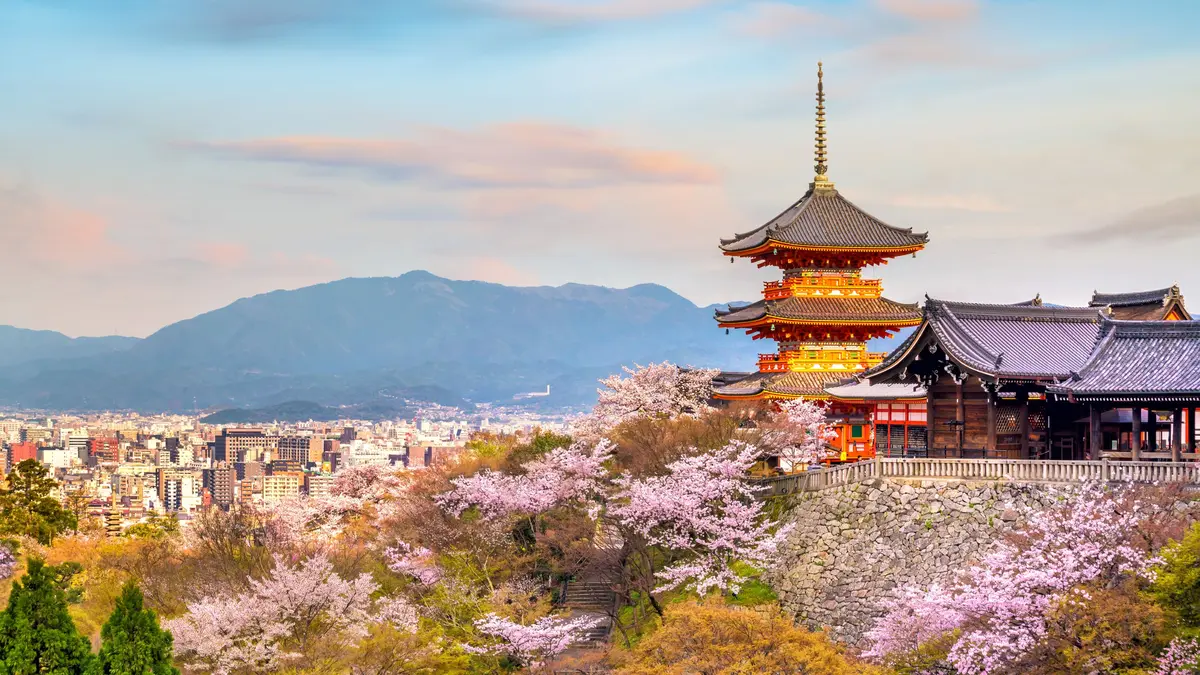
Before you book
Make these decisions in order.
- 01
Select Course A or B before comparing price; the two packages visit materially different places.
- 02
Choose the English-speaking package explicitly rather than relying on the page’s multilingual headline.
- 03
Check whether temple admission, food and deer crackers are included in the selected package.
- 04
Save the exact Osaka meeting point, a photo of the vehicle and every return deadline offline.
- 05
Wear walking shoes and leave luggage at your hotel; the day includes hills, temple approaches and large parks.
What to know
The first decision is Course A versus Course B
Klook sells several packages on one activity page. Course A is described as the Kyoto and Nara highlights route, with Kiyomizu-dera, Fushimi Inari, Uji, Nara Park, Tōdai-ji and Kasugataisha in the current overview. Course B adds Arashiyama and central Kyoto but follows a different route.
Do not select by discount or the first available button. Course A makes more sense for a first-time traveler who values temples, shrines and the Uji–Nara connection. Course B is for someone who places Arashiyama’s bamboo and riverside scenery above Uji or a deeper Nara sequence.
Language is a separate package attribute. Choose the option that literally says English-speaking guide; a multilingual activity page does not guarantee that every departure operates in English.
What to know
What a ten-hour sampler can and cannot do
The joined tour removes the hardest planning work: departing Osaka, carrying the group between cities and setting a usable order. It can expose a first-time visitor to several World Heritage settings in one day without navigating repeated local buses.
The trade-off is depth. Kiyomizu-dera, Fushimi Inari and Nara Park can each absorb half a day on their own. On a multi-stop coach tour, you will usually see the principal approach or building, take photos and return to the vehicle rather than complete an extensive hike or museum visit.
Traffic and parking can consume the time saved by not changing trains. Treat the published schedule as an operating plan, not a guarantee of identical minutes at every stop.
What to know
Kiyomizu-dera requires uphill walking
Kiyomizu-dera’s main hall and stage look across Kyoto from the Higashiyama slope. The historic Ninenzaka and Sannenzaka streets strengthen the visit, but they also bring inclines, steps, dense foot traffic and many shopping distractions.
The temple opens at 6:00 and has seasonal closing times; July and most of August 2026 close at 18:30, while special night-viewing dates extend later. A daytime tour ticket does not create access to a separate night event after the coach leaves.
Stay aware of the group’s designated meeting point. The official temple access notice warns that map apps can suggest routes that do not enter the grounds; do not improvise a shortcut when returning to the bus.
What to know
Fushimi Inari is not a summit hike on this itinerary
Fushimi Inari’s vermilion torii path continues far beyond the famous lower galleries. Reaching the mountain summit and returning commonly takes much longer than a multi-city tour can allow.
Expect a lower-trail experience unless the selected itinerary explicitly gives several hours. The most recognizable tunnel is also the busiest, so keep moving, do not block worshippers and avoid setting up a tripod in narrow passages.
The shrine grounds themselves do not require an admission ticket. That makes it important to check what the tour price actually includes elsewhere rather than assuming every named stop represents a paid entrance.
What to know
Course A uses Uji as a cultural stop
The current Course A description includes time around Uji’s tea streets and Byōdō-in area. Uji is not merely a matcha shopping break: Byōdō-in’s Phoenix Hall and museum present a distinct Heian-period setting from Kyoto’s Higashiyama temples.
The official Byōdō-in garden and museum admission is ¥700 for an adult, while entry inside Phoenix Hall is an additional ¥300 and is allocated in timed groups. Confirm whether admission is included and whether the stop is long enough for the interior before joining its queue.
A short tour stop favors the garden, exterior view, museum or tea shopping—not all four. Decide your priority before leaving the coach.
What to know
Nara Park deer are wild, not props
Nara’s protected sika deer have lived around the park and Kasugataisha area for centuries, but they remain wild animals. The official tourism guide warns that males can be aggressive in autumn and that mothers with fawns should not be approached.
Feed only the official deer crackers, give them one at a time and show empty hands when finished. Keep maps, plastic bags and food sealed because deer may bite or swallow them. Young children need close adult supervision.
Do not spend the whole stop around the first deer beside the parking area. Tōdai-ji and the park’s landscape are the irreplaceable parts of the Nara visit.
What to know
Tōdai-ji admission and closing time matter
Tōdai-ji’s Great Buddha Hall contains the monumental bronze Buddha that anchors the tour’s Nara claim. The hall is open 7:30–17:30 from April through October and 8:00–17:00 from November through March, as checked July 26, 2026.
Individual admission to the Great Buddha Hall is currently ¥800 for adults and ages 13–18, and ¥400 for ages 6–12. A separate museum or joint ticket is available. Verify whether your selected package includes the hall admission.
Do not assume a visit to “Tōdai-ji” includes the museum, Nigatsudō and the wider precinct. The group’s return time will determine what can realistically be entered.
Compare the selected package
Check live packages and the total price for your date.
Use the same date, meeting point, route, language, admissions, meals and add-ons when comparing Klook with another seller or a self-planned day. Choose the better complete cost, control and cancellation terms.
Compare Kyoto and Nara tour packages on Klook↗Check Kiyomizu-dera’s official 2026 opening calendar ↗Non-affiliate link
Paid link. Commercial details checked July 26, 2026; availability and terms can change.What to know
Kasugataisha is more than a lantern photo
Kasugataisha’s forest approaches and stone and bronze lanterns connect the deer to Nara’s sacred history. General worship and special access to the main sanctuary are different experiences.
The official English page lists general worship at 6:30–17:30 from March through October and 7:00–17:00 from November through February. Special main-sanctuary worship is normally 9:00–16:00 but closes on many ceremony dates and can change without notice.
A late or compressed stop may be limited to the approach and general worship. Check the calendar if paid special access is a reason for choosing Course A.
What to know
Course B is a different travel day
The current Course B package combines Nara with Arashiyama and Kiyomizu-dera, and may include Nishiki Market depending on season. During the late-March to early-April cherry-blossom period, Klook says Maruyama Park replaces Nishiki Market and the stop order changes.
Arashiyama adds another crowded district and more walking. It suits travelers who want a visual Kyoto sampler, but combining it with Nara leaves little room for the slower Uji and shrine sequence promoted in Course A.
At Nishiki Market, official Kyoto guidance asks visitors not to eat while walking: consume food at the shop where it was purchased or take it away. A tour schedule does not excuse blocking the narrow arcade.
What to know
Meeting-point discipline prevents a bad day
The current activity departs from Osaka and identifies Tsurutontan Soemoncho in the visible itinerary. Confirm the map pin and time on the final voucher because package routes can be revised.
At every stop, photograph the bus, vehicle plate or identifying sign and pin the parking location. Set an alarm ten minutes before the guide’s deadline. Nara Park and Higashiyama have several similar paths, and a group cannot hold the entire itinerary for a lost guest.
Keep the guide’s message channel available but do not rely on constant data coverage or an immediate reply. An offline map and screenshot of the meeting instructions are safer.
What to know
Food, heat and accessibility
The visible package overview does not promise a single included lunch for every course. Check the inclusion list and bring enough yen for temple tickets, drinks, food and deer crackers if they are excluded.
Summer combines coach travel with exposed stone paths and crowded slopes. Carry water, sun protection and a small towel; use every restroom opportunity the guide identifies. Spring and autumn need layers because the coach and outdoor temperatures can differ.
This is not a reliably step-free itinerary. Kiyomizu’s approach, shrine paths, Arashiyama and the scale of Nara Park can be demanding. Contact the operator before payment about wheelchairs, walkers, folding strollers and the maximum walking distance.
What to know
How to book the right package
Select the real date, then match three fields before paying: Course A or B, English-speaking guide, and the correct departure point. Read the displayed stop list again because seasonal substitutions and route order can change.
Confirm admission inclusions, meal arrangements, child pricing, stroller and luggage rules, minimum-participant policy, late-arrival treatment and the exact cancellation deadline. Save the final voucher rather than this article as the operational instruction.
Use the paid link below only after comparing the tour with separate Kyoto and Nara days. The tour creates value through convenience and breadth, not through unlimited time at each attraction.
A good fit
Put it on your list if...
- Osaka-based first-time visitors with only one day for Kyoto and Nara
- Travelers who prefer a guide and coach to multiple local connections
- Families comfortable with a full day and frequent walking
- Solo travelers who want a structured joined group
- Visitors seeking a broad heritage sampler before a future longer trip
Think twice
Skip or reconsider if...
- Travelers already staying several nights in Kyoto
- Visitors who want to hike to the top of Fushimi Inari
- Photographers who need flexible light and crowd-waiting time
- Anyone expecting a relaxed, comprehensive visit at every named stop
- Travelers with mobility needs who have not confirmed the route
- People who have not distinguished Course A from Course B
Booking option
Check the current tour terms before paying.
The paid link opens Klook’s English activity 151194 page with USD selected and no fixed date. Course, language and seasonal itinerary are separate choices; verify all three before payment.
- Choose Course A or B deliberately; the routes are not interchangeable.
- Select an option that explicitly says English-speaking guide.
- Check admission, food and deer-cracker inclusions for the selected package.
- Use the final voucher for the meeting point, time and return instructions.
- Seasonal crowds, ceremonies and road traffic can change the route or time at stops.
Evidence and commercial terms
Sources checked
Government, destination and transport pages establish safety, access and current operating facts. Booking-service and seller pages are commercial sources whose terms apply only to their own channel. Open the relevant sources again before travel.