
Before you book
Make these decisions in order.
- 01
Decide whether you want the regular presentation or a date-and-time-specific seasonal version.
- 02
Compare Klook’s selected-date package with the official ticket’s price and change rules before paying.
- 03
Save the route to the New Building 9th-floor entrance; the museum floor itself is shown as 8F.
- 04
Leave large bags and the stroller elsewhere, charge the phone and keep the QR ticket available offline.
What to know
What the Art Aquarium actually is
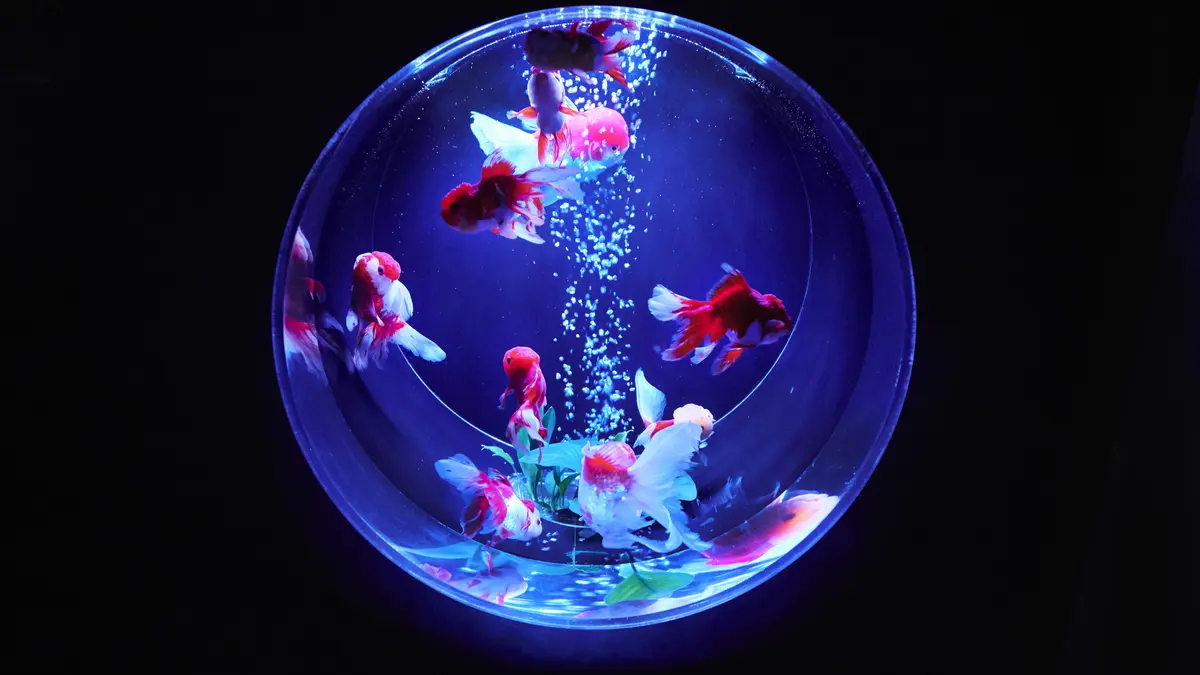
Art Aquarium Museum GINZA is a living art exhibition built around goldfish rather than a conventional aquarium organized by habitats, conservation labels or large marine species. The official concept combines live fish with sculpted tanks, changing light, music, scent, flowers and Japanese decorative traditions.
The cultural reference is goldfish appreciation, which became a popular part of life in Japan during the Edo period. Contemporary lighting and theatrical staging turn that tradition into a walk-through visual environment. You come for composition, movement and atmosphere—not for a complete lesson on aquatic ecology.
That distinction should decide the visit. It can be memorable for photographers, couples, families and travelers interested in Japanese design. A visitor expecting dolphins, sharks, touch pools or several hours of conventional aquarium galleries should choose another attraction.
What to know
Is it worth a place in a Tokyo itinerary?
The museum is easiest to justify when you are already exploring Ginza, Tsukiji, Yurakucho or Tokyo Station. Its central location and indoor setting make it a useful weather-resistant block between shopping, food and an evening reservation.
Allow roughly 45–90 minutes for a first visit. Klook currently suggests one to two hours, while its own visitor guidance says many people spend around 45 minutes. Your actual time depends on crowding, photography and the seasonal presentation; neither estimate is an official stay limit.
Skip it when Tokyo time is extremely limited and your priorities are major historical sites, a full-scale aquarium or a museum with extensive English interpretation. The value comes from the visual experience and living display, not the number of hours filled.
What to know
The entrance is on 9F even though the museum is on 8F
The venue address is Ginza Mitsukoshi, 4-6-16 Ginza, Chuo-ku. The exhibition is listed on the New Building 8th floor, but the official entrance, staff reception and same-day ticket machines are on the New Building 9th floor at Ginza Terrace.
Use the New Building escalator or an elevator in either the Main or New Building to reach 9F. The official guide warns that the Main Building escalator does not go directly to 9F and that visitors cannot enter directly from the New Building 8F. Staff guide ticket holders down into the exhibition.
Ginza Station A7 exit is immediately beside the department store. Ginza-itchome Station Exit 9 is about five minutes away, Higashi-ginza connects by an underground walk of about two minutes, and JR Yurakucho Station is about nine minutes on foot.
- Search for Ginza Mitsukoshi, not a standalone aquarium building.
- Go to New Building 9F Ginza Terrace for entry.
- Do not try to enter directly from New Building 8F.
- Save the official illustrated route if department-store navigation is unfamiliar.
What to know
Official ticket price and opening hours
Regular official hours are 10:00–19:00, with last admission at 18:00. The museum closes on Ginza Mitsukoshi closure days and can close irregularly for maintenance. Special events can also adjust the presentation or hours, so check the official notice page on the visit date.
The official general online ticket costs ¥2,500 including tax and can be bought on the same day while inventory remains. The 9F machine ticket costs ¥2,700. Official student tickets for junior-high, high-school, university and vocational students cost ¥2,200 online with student ID; the same-day machine does not offer the student price.
Up to two elementary-school-age or younger children enter free with each paying general or student ticket. A third child needs a regular ticket, and children cannot enter without an accompanying adult. Confirm the seller’s age wording before purchase because English translations may express the elementary-school boundary differently.
What to know
Summer Art Aquarium 2026 changes what you see
The official Summer Art Aquarium 2026 runs from June 26 through September 30, 2026. Its additions include the Goldfish Folding Screen Room, the large Super Oiran – Yui installation, an Edo Kiriko glass display and hundreds of wind chimes along the Goldfish Corridor.
From July 21 through August 12, the museum changes music and lighting from 16:00 to closing for Kai: Goldfish Museum, a mysterious seasonal presentation with ukiyo-e yokai imagery. It is not a haunted house. Visitors who want the ordinary summer presentation during that period should choose an entry before 16:00; the official site sells a specific late-day ticket for the special version.
Seasonal exhibits are a reason to check the exact date rather than a promise that every photographed artwork is permanent. The core museum remains, but tanks, flowers, lighting and limited installations can change.
What to know
Klook or the official ticket?
Klook activity 73977 currently sells selected-date admission and may show limited promotions, a retail voucher or a yukata package. Package inventory and USD prices change, so compare the exact option rather than relying on the first promotional tile.
Klook’s current ordinary packages are marked valid on the selected date and non-cancellable. The official ticket is also generally non-refundable, but the official FAQ allows date and time changes through purchase history when completed before the reserved admission time. That flexibility can matter when a Tokyo itinerary is not fixed.
Use Klook when its final selected package provides better value or a useful bundle. Use the official site when the student price or direct date/time-change process is more important. If choosing a Klook yukata combination, remember that the rental shop is in Asakusa and has its own appointment, return deadline, eligibility and damage terms; it is not a dressing service inside the museum.
- Compare the same visit date and admission category.
- Check whether a promotional voucher has a use condition or expiry.
- Treat a yukata combo as two locations and two schedules.
- Confirm the selected seller’s change, cancellation and late-arrival wording.
- Download the QR voucher before entering the department store.
Compare the selected package
Check live packages and the total price for your date.
Use the same date, guests and included services when comparing Klook with the operator’s official page or direct booking option. Choose the better complete price, change, late-arrival and cancellation terms for your trip.
Check Art Aquarium Museum GINZA tickets on Klook↗Compare the official live ticket calendar and change rules ↗Non-affiliate link
Paid link. Commercial details checked July 26, 2026; availability and terms can change.What to know
Photography is welcome, but creator rights are limited
Personal photography and video are allowed. The official photo guide recommends using the tanks’ light rather than flash and identifies marked portrait-lighting spots inside. Dark conditions reward a steady grip, exposure control and a phone with enough storage and battery.
The FAQ prohibits digital-camera strobe flash and setting up monopods or tripods. It also states that photographs and video taken personally may not be used commercially, including sale of the data. YouTubers, paid creators, media and brand productions should contact the museum before filming; buying admission does not grant commercial rights.
Avoid capturing recognizable visitors without consent, keep the walkway open and do not touch tanks or fish. A quieter image is not worth blocking another visitor or stressing the animals.
What to know
Children, wheelchairs, strollers and bags
Wheelchair users should speak with museum staff on Ginza Mitsukoshi 9F for entry assistance. The museum does not permit strollers inside; use the stroller storage area on 9F. Pets are also not admitted.
The museum has no dedicated coin lockers. The official FAQ points to lockers on Ginza Mitsukoshi New Building 12F, while Klook broadly refers visitors to station-area lockers. Leave large luggage at the hotel or station before arriving because an extra locker trip can disrupt the timed visit.
Food cannot be eaten inside. Sealed drinks such as a capped bottle or flask may be carried, but open drink cups are not allowed. Families should handle food, bathroom and stroller needs before scanning in because re-entry is not permitted.
What to know
A better Ginza half-day plan
For a daytime visit, arrive at Ginza Station, enter through the New Building 9F, spend an unhurried hour inside and continue through Ginza or toward Tsukiji. This keeps the museum in the role it suits best: a visually focused anchor within a broader central-Tokyo day.
For the limited mysterious summer presentation, schedule the 16:00–18:00 entry window first, then build dinner around the 19:00 closing time. Do not assume that an ordinary screenshot or old ticket describes the special lighting on the chosen date.
Before paying, make one final choice: immersive goldfish art, a conventional aquarium, or a large digital-art attraction. Art Aquarium wins on central location, Japanese decorative atmosphere and a short visit. The alternative can be better when animal diversity, educational depth or several hours of exploration is the priority.
Compare a related booking
teamLab Borderless Tokyo Guide: Tickets, Timeslots and Is It Worth It?
Compare Art Aquarium’s shorter live-goldfish presentation with a larger digital-art visit when immersive art is the main Tokyo priority.
A good fit
Put it on your list if...
- Couples, families and solo travelers who enjoy highly visual indoor attractions
- Photographers who can work handheld without flash, tripod or commercial use
- A Ginza, Tsukiji, Yurakucho or rainy-day itinerary
- Visitors interested in contemporary presentations of Japanese goldfish culture
- Travelers who want a focused experience rather than an all-day attraction
Think twice
Skip or reconsider if...
- Visitors expecting a conventional large aquarium with major marine animals
- Creators planning monetized or commercial filming without prior permission
- Families expecting to take a stroller through the exhibition
- Travelers carrying large luggage with no locker or storage plan
- Anyone choosing a non-cancellable ticket before the Tokyo date is secure
Booking option
Check the current ticket before paying.
The paid link opens Klook’s English activity 73977 page with USD selected. Admission, promotions and yukata bundles have different inclusions and conditions.
- Select the actual visit date and confirm the current presentation.
- The current ordinary Klook packages are date-specific and non-cancellable.
- Confirm whether a promotion, voucher or combination has extra use conditions.
- Yukata combinations use a separate Asakusa shop and return deadline.
- Official hours, seasonal exhibits and same-day inventory can change.
Evidence and commercial terms
Sources checked
Government and operator or venue pages establish rules and practical details. Booking-service pages are commercial sources for the package and checkout terms only. Open the relevant sources again before travel.