Before you book around it
Plan these in order.
- 01
Confirm your arrival terminal and the official transfer into the city.
- 02
Choose Hakata or Tenjin according to the rest of the itinerary.
- 03
Reserve long-distance Kyushu trains or buses when the operator recommends it.
- 04
Check the final return transport after a late meal or yatai visit.
What to know
Hakata and Tenjin serve different priorities
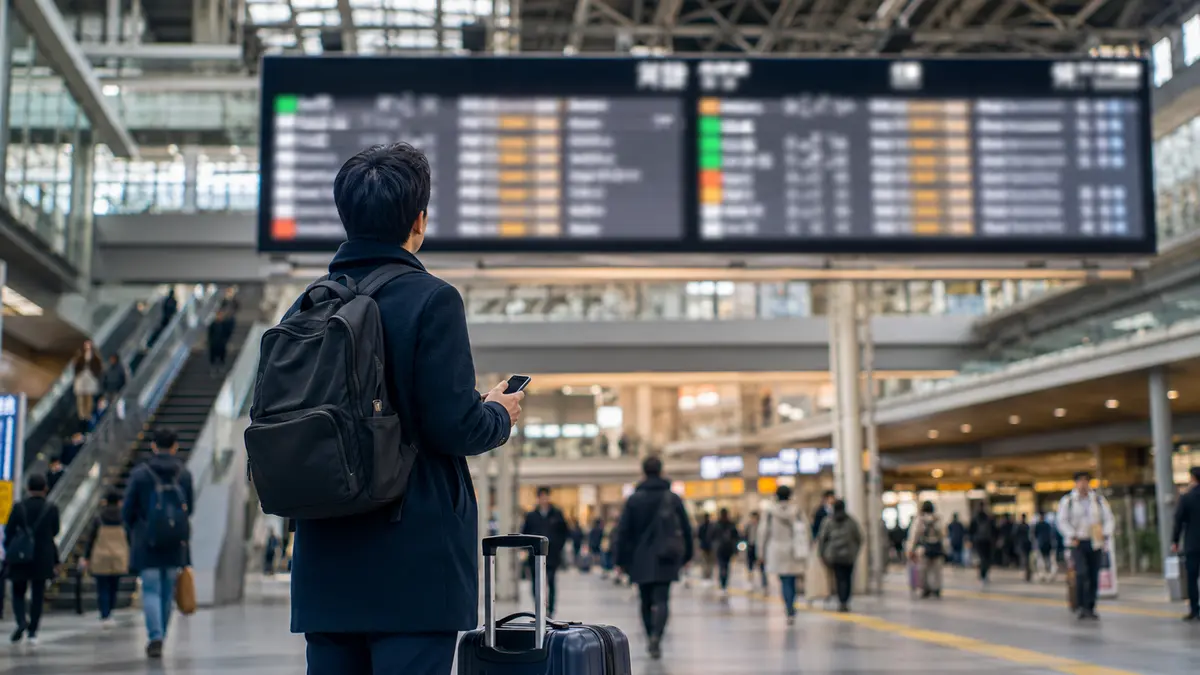
Hakata is the main intercity rail hub. Tenjin is a major city-center and private-rail hub. A hotel between them may still require a subway or bus for the transport you use most.
What to know
The airport transfer has a terminal detail
Do not assume every arriving passenger walks directly to the subway. Check the airport’s current instructions for international and domestic terminals and leave time for terminal movement.
What to know
Kyushu is larger than a collection of day trips
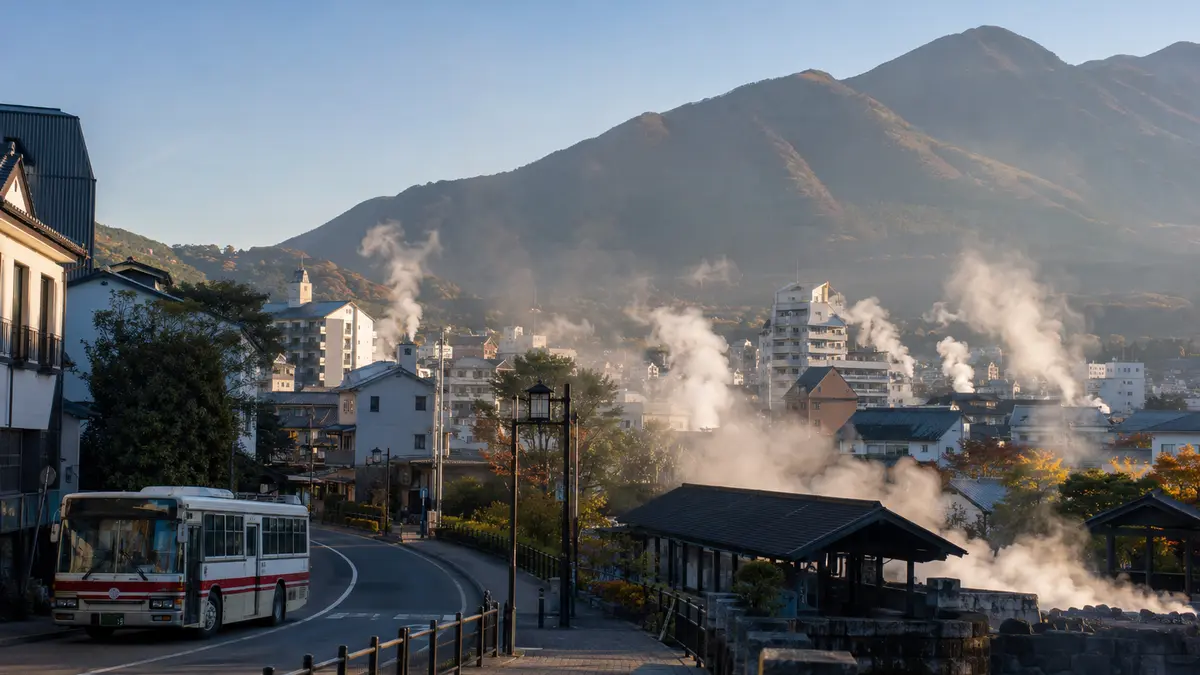
Nagasaki, Kumamoto, Beppu, Kagoshima and regional destinations use different rail and bus corridors. Compare actual one-way travel time before keeping every hotel night in Fukuoka.
What to know
Food plans still need a payment fallback
Small restaurants and temporary stalls can have limited seating, payment or weather-dependent operations. Keep cash available and do not build a critical evening around a single unconfirmed stall.
Avoid this
Common planning mistakes.
- Ignoring the international-terminal transfer step
- Using Hakata and Tenjin as if they are the same station
- Attempting distant Kyushu day trips without checking travel time
- Expecting every small food venue to take a foreign card
Before you need it
Save this offline.
- Arrival terminal map
- Hotel hub and exit
- Onward rail or bus reservation
- Cash fallback
- Last practical return route
Primary evidence
Official sources used
Open these pages again before travel. External links lead to the responsible authority, destination organization, airport or transport operator.